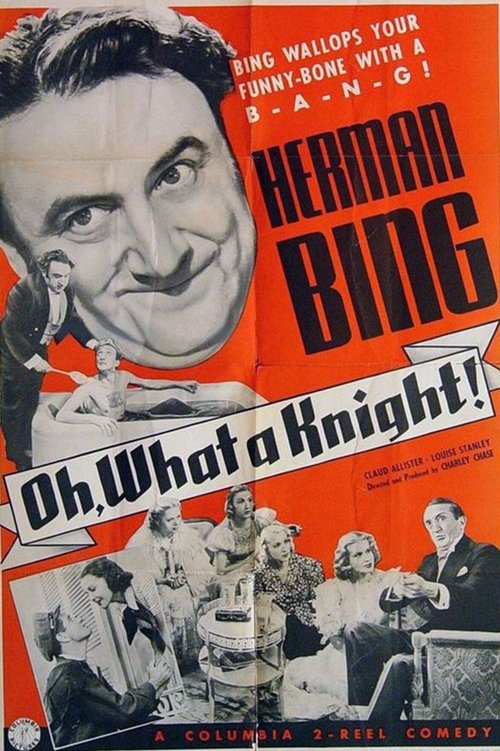
Oh, What a Knight!
1937
No user ratings available yet
Representation score: 0.9 out of 10
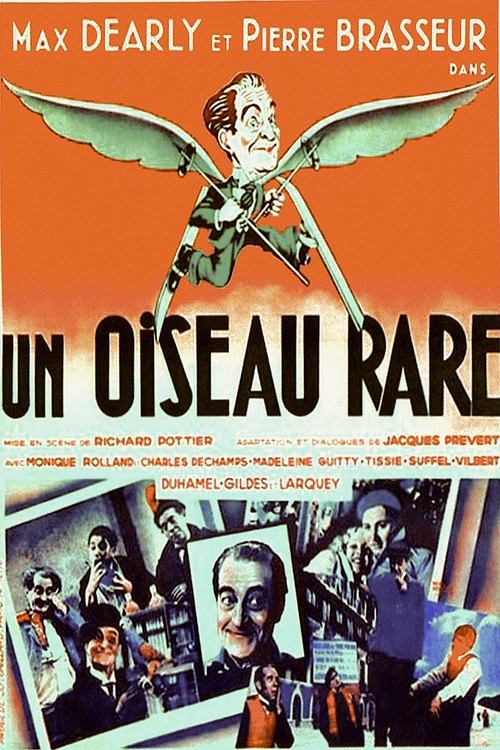
Representation Score
Minimal
1935
Director
Richard Pottier
Runtime
101 minutes
Average Rating
No ratings yetNew Showbiz Analysis
A Rare Bird is a classic mid-century farce that relies on the 'mistaken identity' cliché to drive its comedy. The plot centers on a temporary inversion of social hierarchies, where a servant is mistaken for a wealthy master during a winter getaway. While the film momentarily blurs class lines, it remains a standard genre piece of its era, suggesting a restoration of the status quo rather than a lasting disruption of social structures. Ultimately, the film lacks the intentionality to challenge traditional social, gender, or racial hierarchies, staying firmly within the conventional comedic frameworks of 1930s France.
Category Breakdown
The film does not depict any LGBTQ+ identities or challenge the assumption that everyone is straight or cisgender.
The story focuses on a male-dominated relationship between a businessman and his servant, without challenging the gender hierarchies of the 1930s.
The production reflects the homogeneous demographics typical of 1930s French cinema, with no racial or ethnic diversity in the cast.
The narrative operates within traditional Western class distinctions, using social friction as a comedic device without critiquing underlying class-based institutions.
There is no information about the inclusion of characters with visible or invisible disabilities.
Present on Screen
Limited or Absent
Official Synopsis
A wealthy businessman joins his servant, who has won a winter getaway, on the trip, but at the hotel where they stay the servant is mistaken for the master.
1937
1940
1955
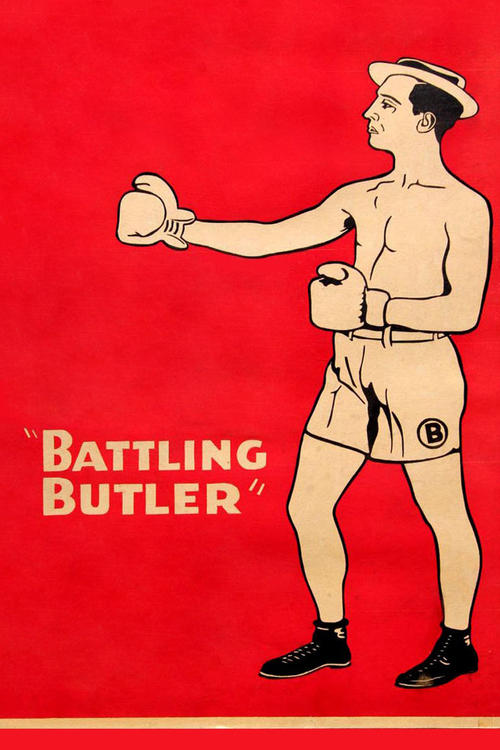
1926
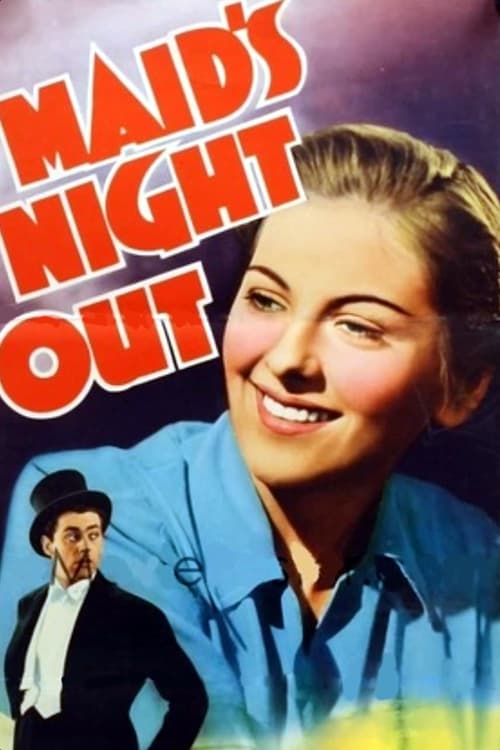
1938
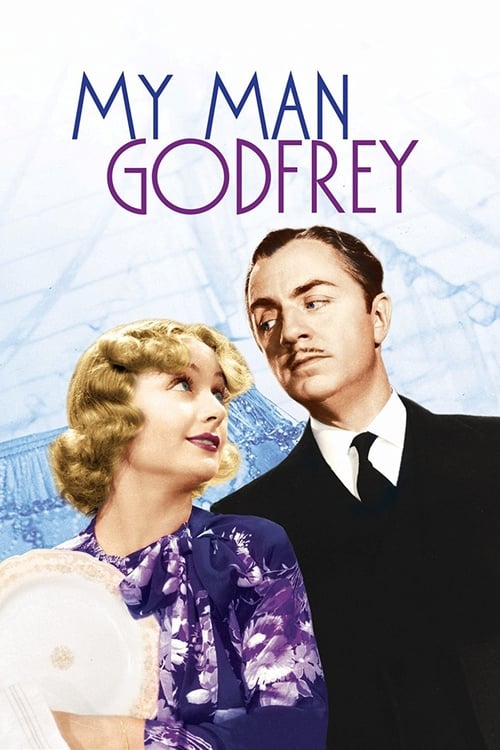
1936
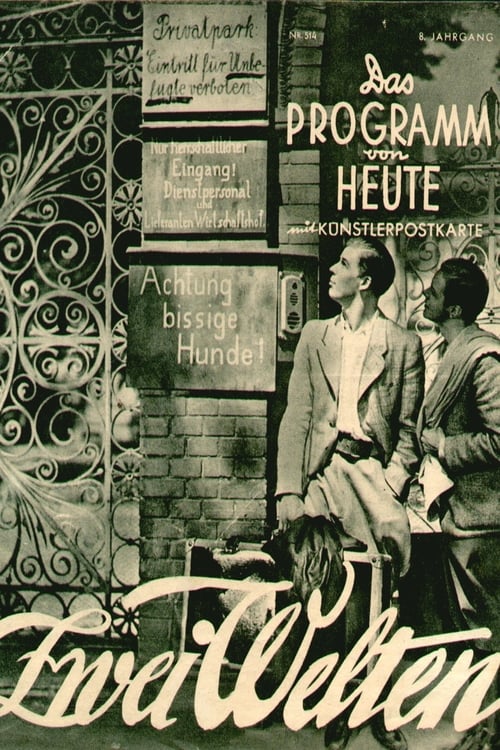
1940
1937
No reviews yet. Be the first to share your thoughts on this movie!
Use the rating form above to leave a star rating and optional review.