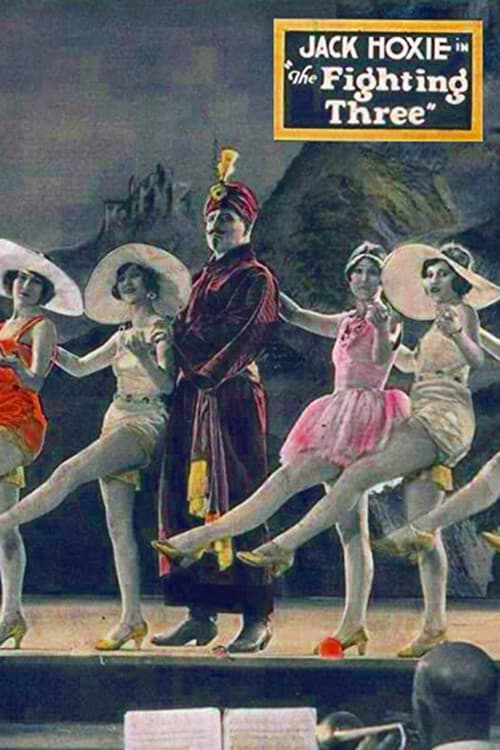
The Fighting Three
1927
No user ratings available yet
Diversity score: 2.4 out of 10

1927
PassedDirector
Albert S. Rogell
Runtime
60 minutes
Average Rating
No ratings yetSynopsis
Hero is center of plot by a gang of lawless whites to convince Indians he killed one of their number, but finally clears himself.
Overall Score
Limited
Category Breakdown
LGBTQ+ Representation
The film lacks LGBTQ+ characters or narratives. It adheres to the heteronormative social frameworks common in silent-era Westerns.
Gender Representation
The plot centers on a male protagonist navigating masculine conflict. Female characters appear to be relegated to passive roles within this traditional structure.
Racial & Ethnic Diversity
Indigenous characters serve as subjects of deception rather than active agents. The narrative uses racial dynamics primarily as a plot catalyst.
Religious & Cultural Diversity
The story focuses on frontier justice and individual heroism. It reinforces traditional social orders rather than exploring secular or anti-institutional themes.
Disability Representation
There is no documented evidence regarding the portrayal of physical or neurodivergent disabilities in this film.
Strengths
Areas for Improvement
AI Analysis
The Devil's Saddle is a product of its era, leaning heavily into the standard tropes of the 1920s Western. The narrative architecture prioritizes a central male hero, leaving little room for diverse perspectives or complex social identities. While the film engages with racial dynamics, it does so through a lens of manipulation. Indigenous populations are used to drive the plot forward rather than being granted meaningful agency or nuanced characterization. Ultimately, the film functions as a traditional genre piece. It reinforces existing social hierarchies and relies on established archetypes rather than challenging the status quo.
1927
1924
1927
1937
1941
1921

1934
1953
1932
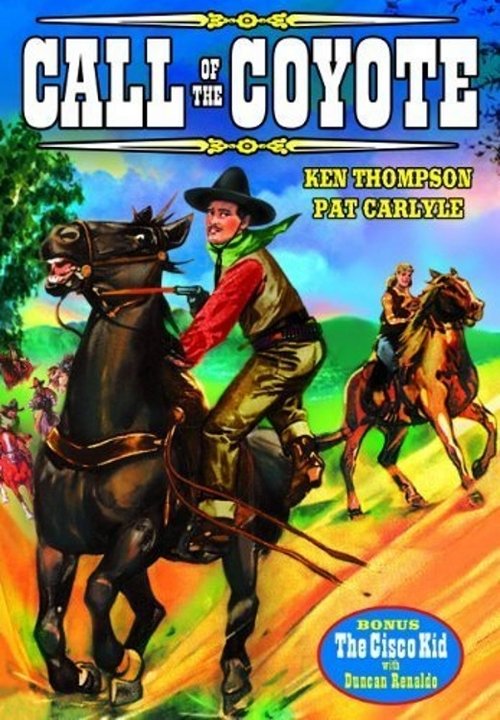
1934

1928

1935
No reviews yet. Be the first to share your thoughts on this movie!
Use the rating form above to leave a star rating and optional review.