
Rocky Rhodes
1934
No user ratings available yet
Representation score: 1.6 out of 10
Representation Score
Minimal
1927
PassedDirector
Albert S. Rogell
Runtime
50 minutes
Average Rating
No ratings yetNew Showbiz Analysis
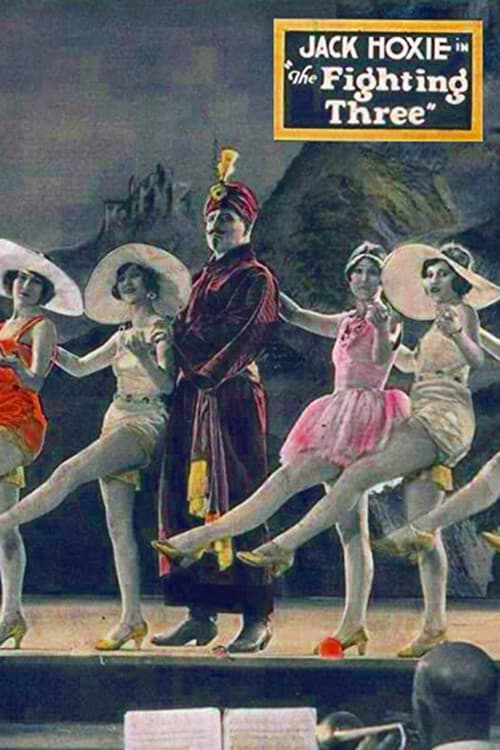
The Fighting Three is a typical silent-era Western that relies heavily on established genre conventions. The narrative follows a predictable melodrama centered around familial lineage and a murder mystery, offering little in the way of social critique. Representation is limited by the era’s norms, featuring conventional gender roles and a lack of racial or LGBTQ+ diversity. The film prioritizes clear moral dichotomies and individual heroism over nuanced storytelling. Ultimately, the film serves as a period-typical genre piece rather than a work that challenges or expands upon the social hierarchies of its time.
Category Breakdown
The film adheres to the conventions of 1920s silent cinema, which assumes everyone is straight and cisgender. There are no depictions of LGBTQ+ identities or same-sex relationships.
Jeanne D'Arcy is central to the emotional storyline but functions within a traditional feminine archetype. The male character remains the primary driver of action.
The narrative centers on a specific family line without indicating a diverse cast. It seems to follow the homogeneous casting practices of early Western films.
The plot relies on classic Western themes and traditional morality. It emphasizes restoring justice rather than questioning social institutions.
There are no characters with visible or invisible disabilities mentioned in the available records.
Present on Screen
Limited or Absent
Official Synopsis
The touring show's soubrette, Jeanne D'Arcy, as it turns out, is the long-lost daughter of Westerner John D'Arcy. While she is performing at the town opera house, D'Arcy is found murdered and young Jack is accused of the heinous deed.
1934
1937

1927

1932
1927
1927
1927
1936
No reviews yet. Be the first to share your thoughts on this movie!
Use the rating form above to leave a star rating and optional review.