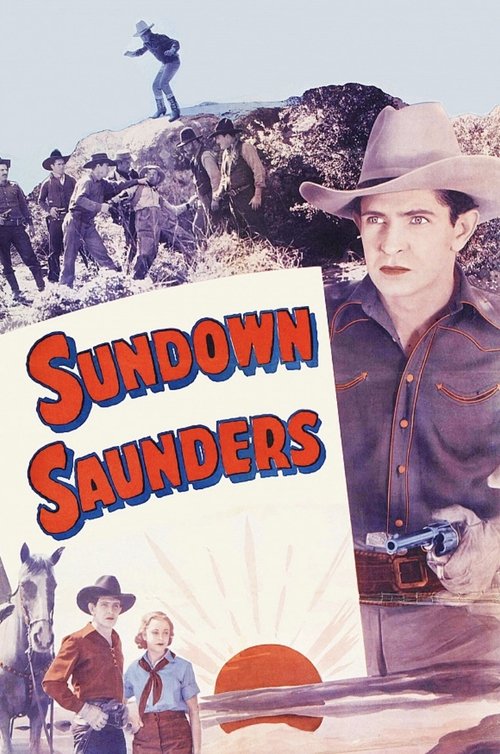
Sundown Saunders
1935
No user ratings available yet
Representation score: 0.5 out of 10

Representation Score
Minimal
1935
ApprovedDirector
Charles Hutchison
Runtime
63 minutes
Average Rating
No ratings yetNew Showbiz Analysis
Riddle Ranch is a typical 1930s Western that emphasizes genre conventions over social complexity. The story revolves around a male-driven cycle of gambling, crime, and wrongful accusations, leaving little room for diverse perspectives. The film adheres to the era's constraints, reinforcing traditional hierarchies. It does not aim for diverse representation, functioning instead as a conventional piece of studio-era genre filmmaking. Overall, the film reflects the homogeneous social structures of the mid-1930s, offering a narrow view of character's ability to drive the story and identity.
Category Breakdown
The film does not include any LGBTQ+ characters or stories, sticking to the social norms of the 1930s where such identities were not represented.
Men drive the main storyline through gambling and legal battles, while women are absent from the central conflict, reinforcing traditional male dominance.
The story centers around Anglo-American characters, with no evidence of diverse casting or roles that differ from the era's homogeneous depictions.
The themes revolve around individual struggle and legal justice within traditional Western frameworks, reinforcing established social orders without challenging them.
There is no information about the portrayal of physical or neurodivergent disabilities in the plot or character arcs.
Present on Screen
Limited or Absent
Official Synopsis
Rigging a horse race, Don Carlos wins a lot of money. When he loses his winnings at the gambling table, he shoots the dealer with Horton's gun. Horton is arrested but cannot prove his innocence.
1935
1936
1932
1933
1930
1937
1953
1934
No reviews yet. Be the first to share your thoughts on this movie!
Use the rating form above to leave a star rating and optional review.