
The Last Drop of Water
1911
No user ratings available yet
Representation score: 1.3 out of 10
Representation Score
Minimal
1928
PassedDirector
Harry Joe Brown, Albert S. Rogell
Runtime
65 minutes
Average Rating
No ratings yetNew Showbiz Analysis
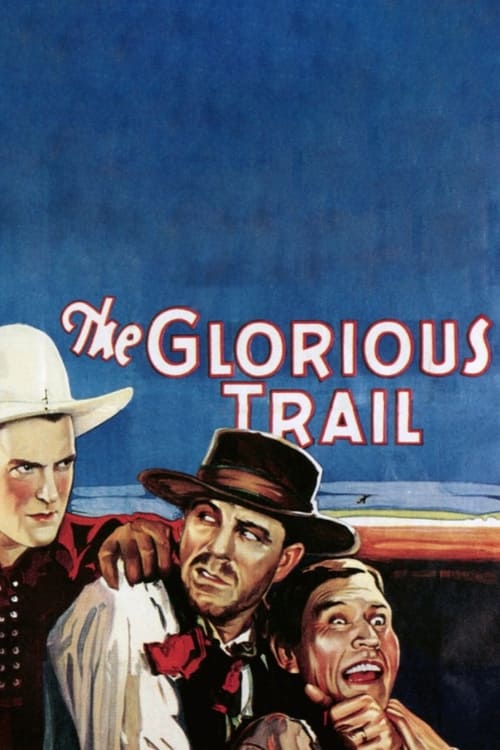
The Glorious Trail is a classic silent Western that emphasizes traditional heroism and frontier expansion. The narrative centers on the white male protagonist's leadership and bravery during a perilous supply run. Representation is limited by the era's conventions, particularly regarding racial and gender hierarchies. Indigenous groups are depicted as one-dimensional antagonists, and women are sidelined from the central action. Ultimately, the film upholds established social and colonial power dynamics without challenging them.
Category Breakdown
The film does not include any LGBTQ+ characters or non-straight relationships. It focuses solely on heterosexual relationships.
The narrative focuses on the male protagonist, Pat O'Leary, who drives the story. Women do not have significant roles or intellectual parity with men.
Indigenous populations are portrayed as antagonistic forces opposing the main characters. The film perpetuates a colonial perspective through its depiction of frontier conflicts.
The story celebrates Western expansion and technological progress, particularly through the telegraph. It promotes themes of settler civilization triumphing over the open country.
There is no discernible evidence regarding the portrayal of physical or neurodivergent disabilities in this work.
Present on Screen
Limited or Absent
Official Synopsis
After a work crew stringing telegraph wires across the Great Plains is slaughtered by Indians, Pat O'Leary, the company superintendent, must take out another supply train to make the dangerous trip across open country. The Indians attack and are driven off. On the day the wires are finally strung, the settlers gather to hear the first message from the East.
1911
1930
1940
1939
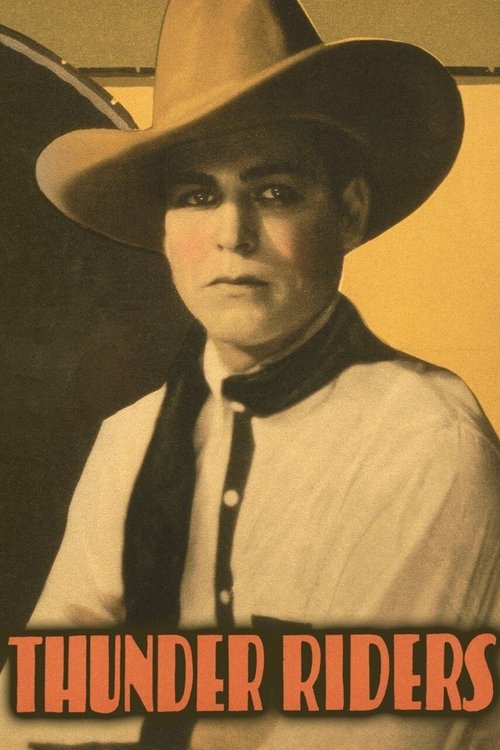
1928
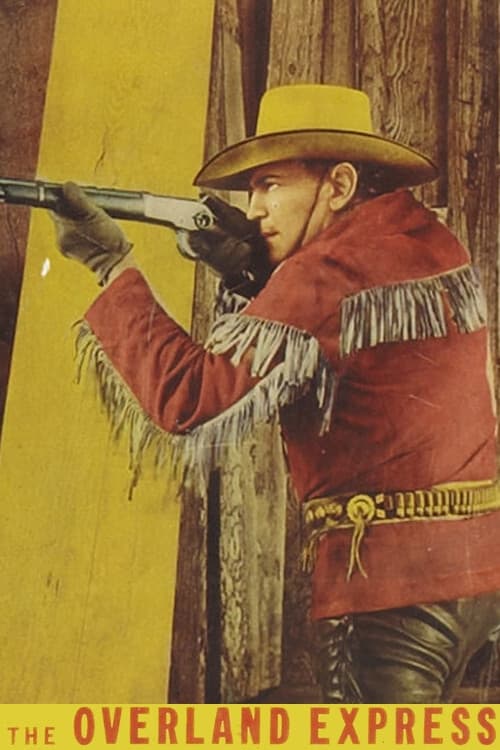
1938
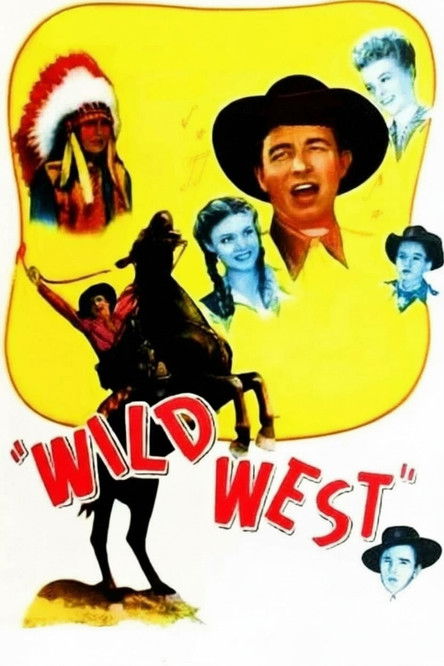
1946
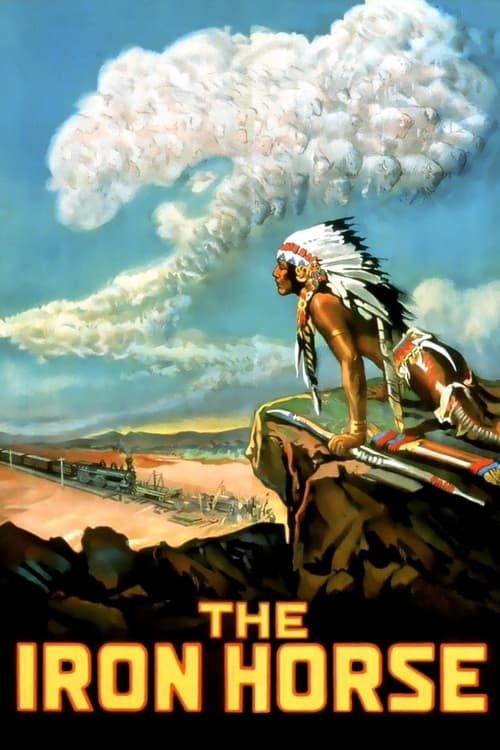
1925
No reviews yet. Be the first to share your thoughts on this movie!
Use the rating form above to leave a star rating and optional review.