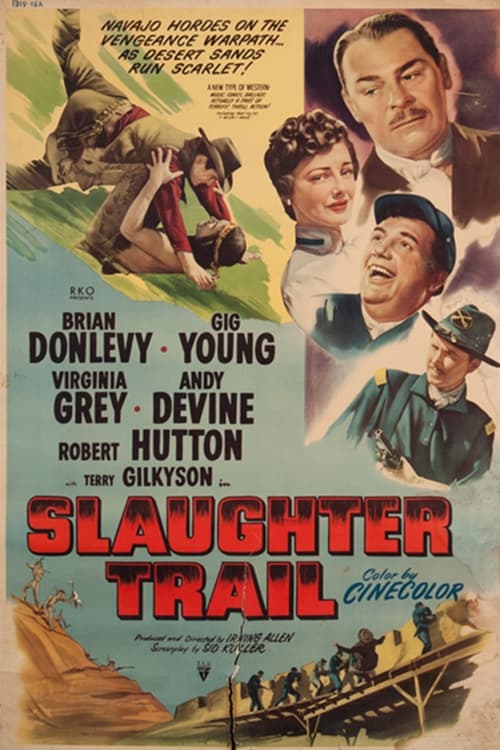
Slaughter Trail
1951
No user ratings available yet
Representation score: 0.4 out of 10
Representation Score
Minimal
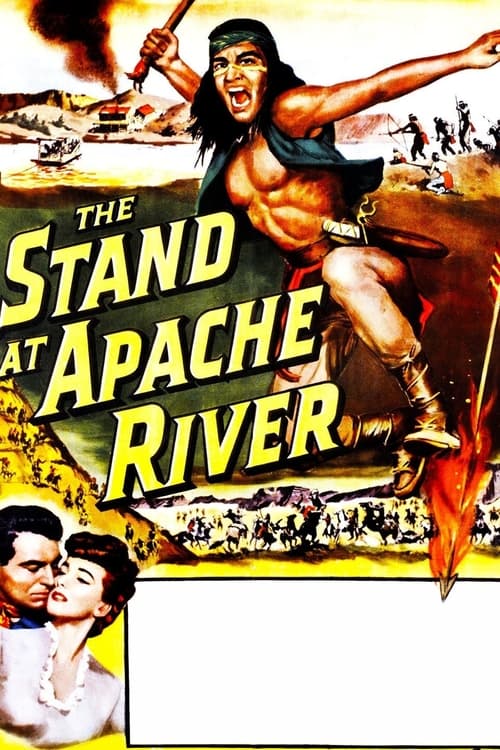
1953
NRDirector
Lee Sholem
Runtime
77 minutes
Average Rating
No ratings yetNew Showbiz Analysis
The film operates within the rigid social hierarchies of the 1950s Western genre. It centers on a masculine struggle for authority between a Sheriff and a Colonel, leaving little room for diverse perspectives. While the inclusion of a bigoted character suggests a critique of racial prejudice, Indigenous characters are primarily framed as a source of conflict. This reinforces a colonial perspective rather than offering true representation. Gender roles are limited to aesthetic ornamentation, with women serving mainly as decorative elements. The film adheres to established social norms, offering minimal influence to underrepresented groups.
Category Breakdown
The film adheres to conventional structures typical of the 1950s, focusing on straight relationships and ignoring non-assuming gender matches what was assigned at birth identities or same-sex intimacy.
Two women appear mainly to decorate the setting, suggesting a decorative role rather than significant influence. The central conflict revolves around masculine authority, limiting the role of women in the story.
Indigenous characters play key roles but are often positioned as sources of external conflict. A bigoted Colonel introduces a critique of prejudice, but the overall narrative reinforces a colonial perspective.
The story emphasizes traditional Western ideas of law and order, focusing on maintaining frontier social structures. It does not explore subversive or secular moral relativism.
The narrative does not include any characters with visible or invisible disabilities.
Present on Screen
Limited or Absent
Official Synopsis
Sheriff Lane Dakota captures robbery-murder suspect Greiner just as the latter is wounded in an Apache ambush. At remote outpost Apache River, Lane and his prisoner spend the night with other travelers, including 2 women with a surprising number of fancy dresses. In the morning, who should appear but a band of ostensibly peaceful Apaches strayed from the reservation. And bigoted Colonel Morsby is strongly inclined to shoot first and ask questions afterward...
1951
1966
1964
1958

1946
1943
1956

1950
No reviews yet. Be the first to share your thoughts on this movie!
Use the rating form above to leave a star rating and optional review.