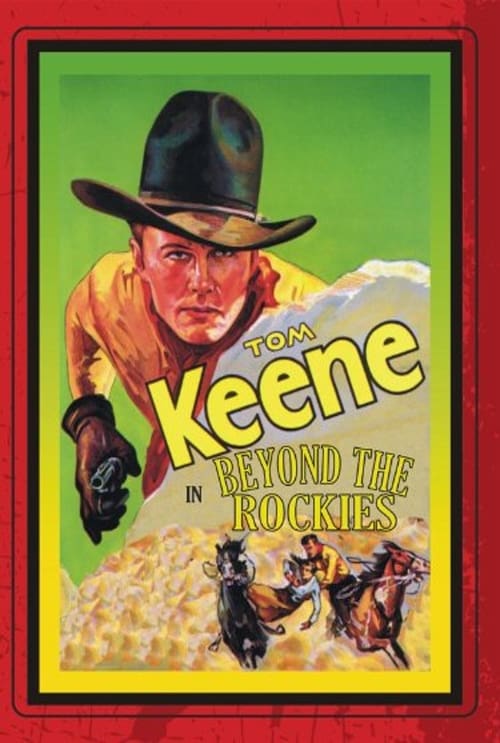
Beyond the Rockies
1932
No user ratings available yet
Representation score: 1.3 out of 10
Representation Score
Minimal
1932
NRDirector
Tenny Wright
Runtime
54 minutes
Average Rating
No ratings yetNew Showbiz Analysis
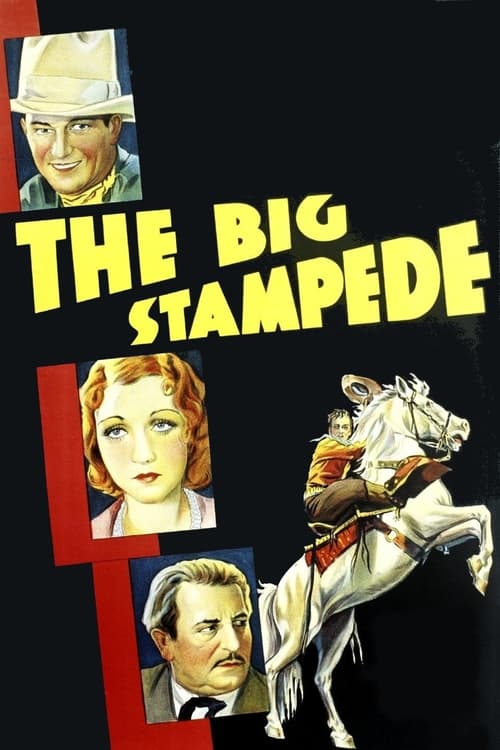
The Big Stampede is a classic early B-Western that emphasizes genre clichés over social complexity. The narrative centers on masculine archetypes, focusing the plot on a lawman and a bandit working together to protect cattle and local authority. Representation is limited by the era's cinematic standards. The film reinforces traditional hierarchies, particularly regarding gender and cultural roles, without attempting to challenge the established frontier mythos. Ultimately, the film serves as a period-typical genre piece that lacks depth in character development.
Category Breakdown
The film does not include any LGBTQ+ characters or narratives. It follows the standard heterosexual dynamics typical of 1932 Western cinema.
Control over the plot is centered around male characters, specifically Deputy Sheriff John Steele and Sonora Joe. Female roles may be limited to passive types common to the era.
Sonora Joe may suggest a possible Mexican or Latin American connection. However, it is unclear if this is a nuanced portrayal or a reliance on ethnic stereotypes.
The story operates within a traditional Western framework focused on frontier justice and law enforcement. It reinforces established institutions without offering cultural critique.
There are no characters with visible or invisible disabilities in the narrative.
Present on Screen
Limited or Absent
Official Synopsis
Deputy Sheriff John Steele recruits bandit Sonora Joe to help him find out who's been bumping off all the local lawmen and rustling the cattle.
1932
1932
1932

1939
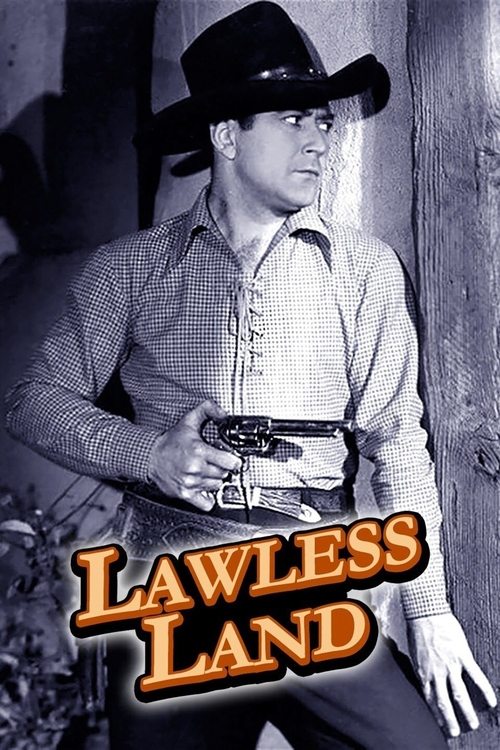
1937
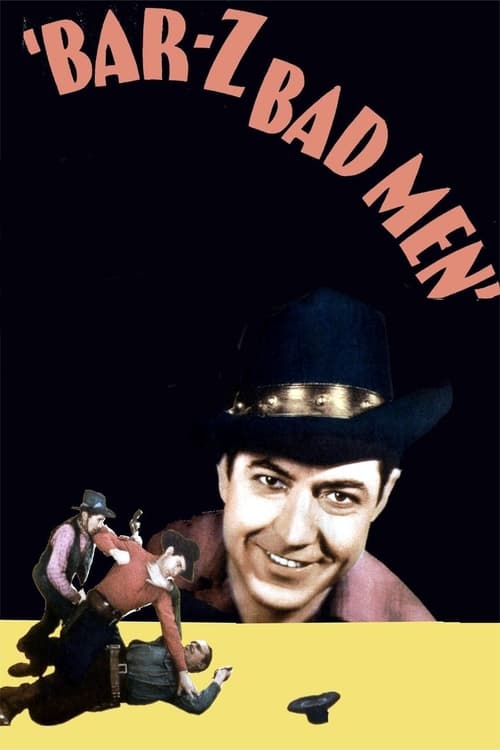
1937
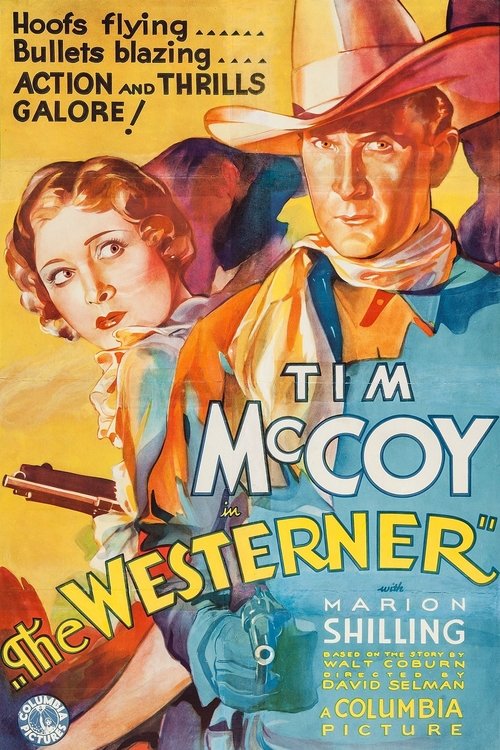
1934
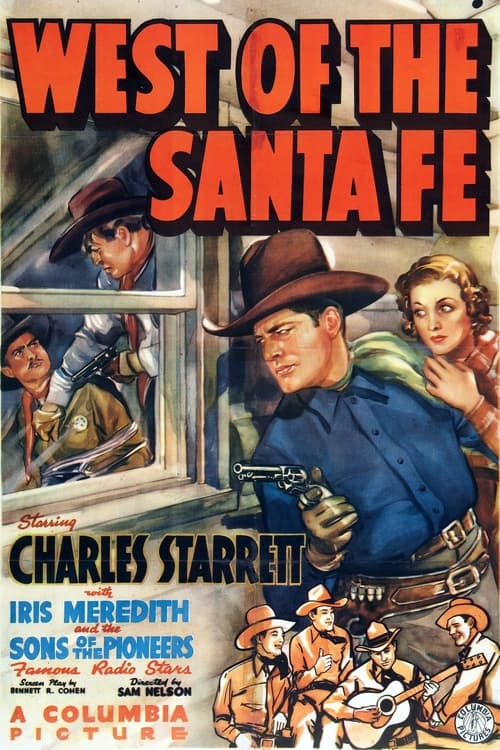
1938
No reviews yet. Be the first to share your thoughts on this movie!
Use the rating form above to leave a star rating and optional review.