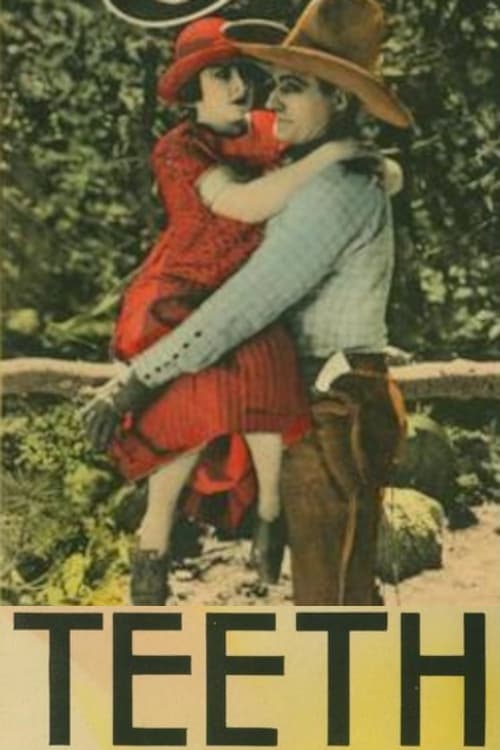
Teeth
1924
No user ratings available yet
Representation score: 0.8 out of 10
Representation Score
Minimal
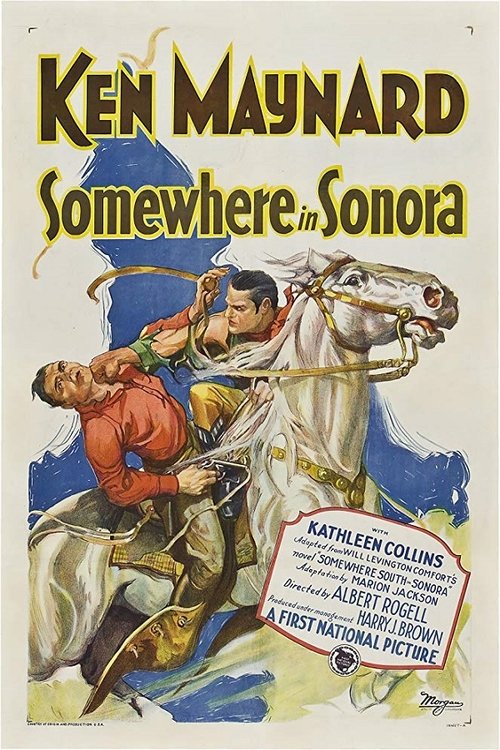
1927
PassedDirector
Albert S. Rogell
Average Rating
No ratings yetNew Showbiz Analysis
Somewhere in Sonora is a silent-era Western that appears to adhere strictly to the conventional narrative structures of 1927. The film lacks specific data regarding character's ability to drive the story or characters who reflect more than one aspect of diversity, suggesting a reliance on the rigid archetypes common to the genre. Historically, the Western genre reinforced expansionist narratives. Without evidence of disrupted hierarchies, the film likely centers Anglo-Saxon perspectives and traditional social structures. Ultimately, the work reflects the standard limitations of its time, prioritizing established power dynamics over any meaningful disruption of social norms.
Category Breakdown
The film does not include any representations of LGBTQ+ identities. In the context of 1920s Western cinema, such depictions were extremely rare due to strict censorship.
Traditionally, men have been the main drivers of the plot in Western films. Women are often confined to domestic or decorative roles within these conventions.
The Sonora setting hints at possible Mexican or Indigenous presence. However, it is unclear if these characters have significant roles or are used as stereotypes.
Early Westerns often celebrated the romance of Western expansion and frontier justice. The narrative likely aligns with the period's typical celebration of Western values.
No information is available regarding the depiction of neurodivergence or physical disabilities. During this era, disability was rarely addressed except in stigmatized caricatures.
Present on Screen
Limited or Absent
1924
1939
1928
1928
1924

1926
1920
1922
No reviews yet. Be the first to share your thoughts on this movie!
Use the rating form above to leave a star rating and optional review.