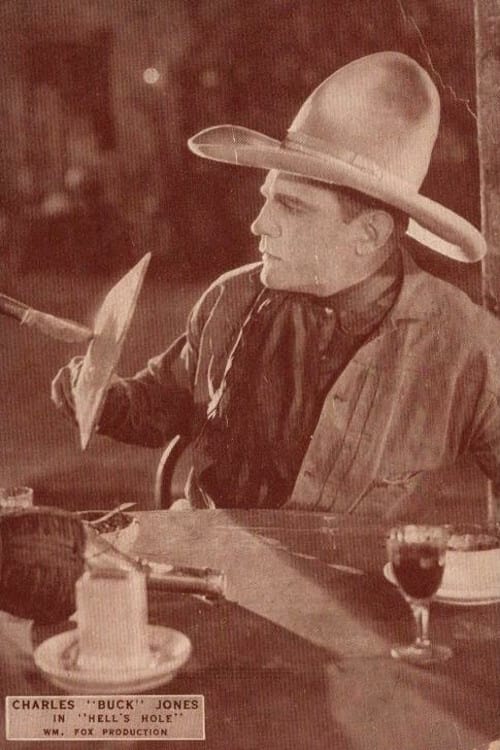
Hell's Hole
1923
No user ratings available yet
Diversity score: 1.9 out of 10

1921
PassedDirector
Emmett J. Flynn
Runtime
70 minutes
Average Rating
No ratings yetSynopsis
The successful operations of a lone bandit known as "The Night Hawk" terrorize a frontier town, and when a stranger arrives riding a fine horse, suspicions are aroused and he is mistaken for the criminal.
Overall Score
Limited
Category Breakdown
LGBTQ+ Representation
The film lacks LGBTQ+ characters or narratives. It adheres to the traditional romantic and heroic archetypes common in 1921 cinema.
Gender Representation
The plot centers on masculine archetypes like the lone bandit and the stranger. Women appear to occupy traditional supporting roles or damsel archetypes.
Racial & Ethnic Diversity
The film reflects the era's tendency toward homogeneous casting. It lacks evidence of non-white agency or diverse perspectives within the frontier setting.
Religious & Cultural Diversity
The narrative utilizes frontier and bandit tropes to uphold conventional notions of law and order. It reinforces traditional American individualism and expansionist myths.
Disability Representation
There is no documented evidence of characters with visible or invisible disabilities in this production.
Strengths
Areas for Improvement
AI Analysis
The Last Trail is a quintessential silent-era Western that prioritizes established genre tropes over social complexity. The narrative structure focuses heavily on masculine heroism, centering the conflict around a mysterious stranger and a bandit. Because the film was produced in 1921, it operates within a traditionalist framework. It lacks the subversive casting or identity-driven storytelling required to challenge the era's social hierarchies or provide diverse representation. Ultimately, the film serves as a period piece that reinforces the mythologizing of the American frontier through a narrow, conventional lens.
1923

1934
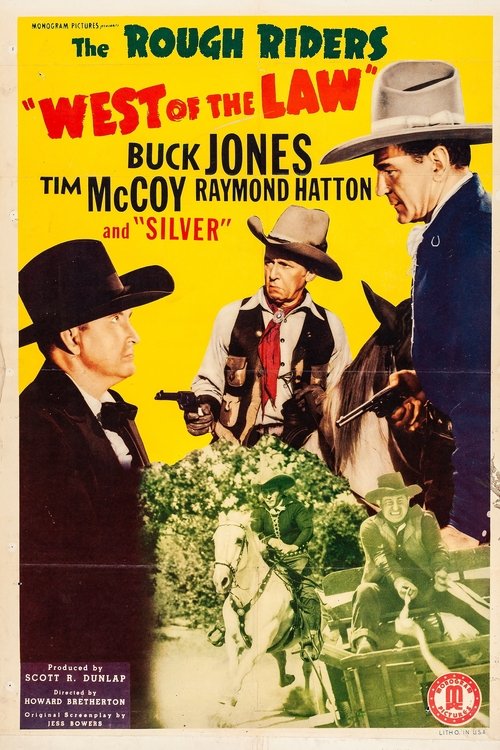
1942
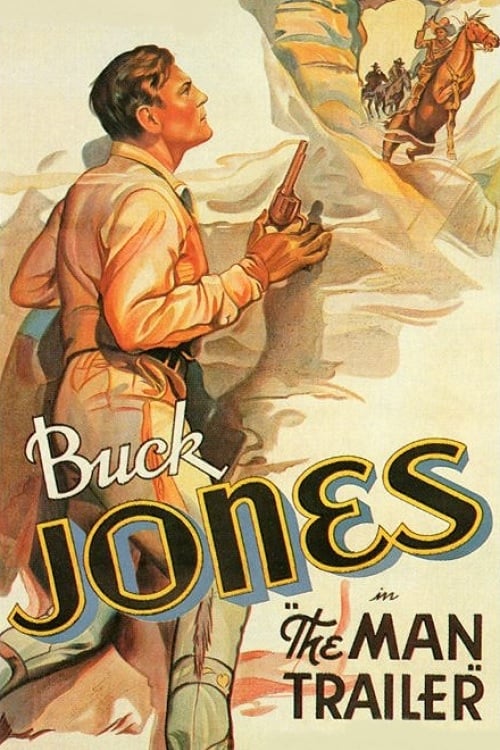
1934
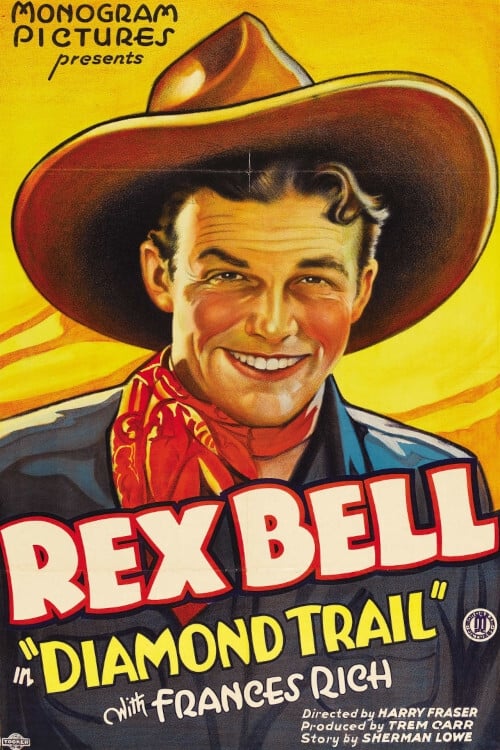
1933
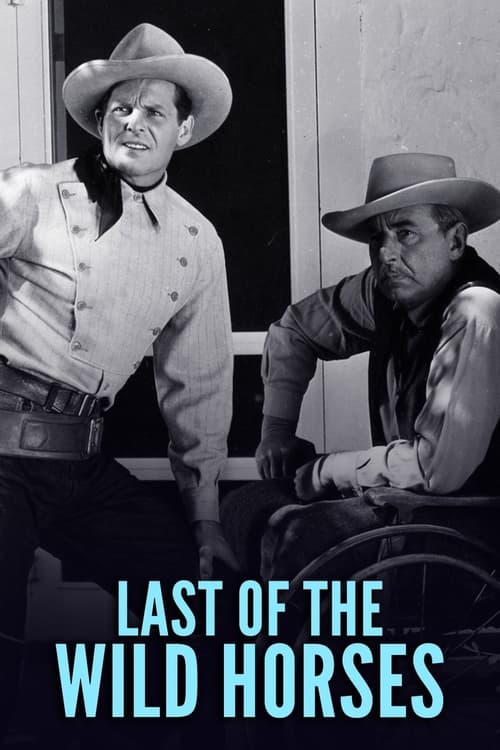
1948
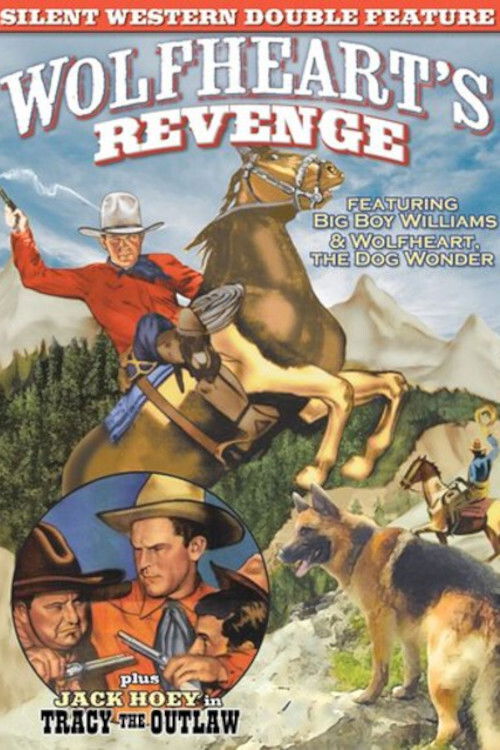
1928
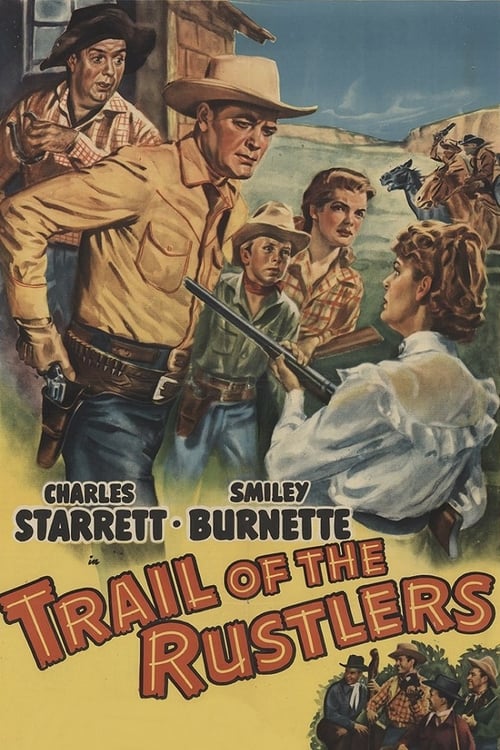
1950
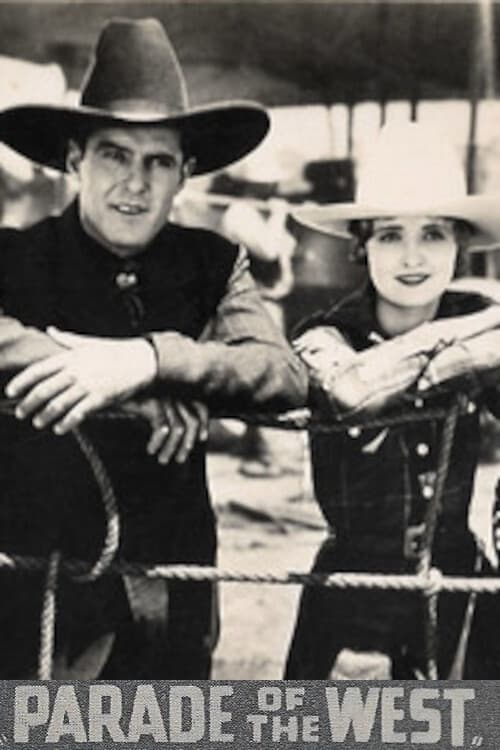
1930
1919
1930

1944
No reviews yet. Be the first to share your thoughts on this movie!
Use the rating form above to leave a star rating and optional review.