Where Once We Walked
2011
No user ratings available yet
Representation score: 3.0 out of 10
Representation Score
Fair
1949
Director
Kurt Maetzig
Runtime
100 minutes
Average Rating
No ratings yetNew Showbiz Analysis
Girls in Gingham reinterprets history through a female-focused lens. By focusing on a three-generation saga centered around women, it challenges traditional patriarchal narratives, emphasizing the role of women in surviving systemic changes. However, the film is confined by its historical and cinematic context. It lacks diversity, presenting a homogeneous cast reflecting the era's focus on German class dynamics rather than racial or ethnic variety. Additionally, there is no representation of LGBTQ+ or non-cisgender identities, which aligns with the period's storytelling norms. Despite these limitations, the film successfully elevates the importance of women's domestic and political labor, making it a compelling study of gendered resilience.
Category Breakdown
The film does not include any explicit LGBTQ+ characters or non-cisgender identities. The story focuses on traditional family structures typical of 1949 cinema.
Women play key roles in driving the narrative rather than being sidelined. The film highlights the importance of female domestic and social labor.
The cast appears uniform, set within specific German historical periods. The story centers on the socio-political changes among German working and middle classes.
The narrative criticizes the failures of monarchy and capitalism through a collectivist perspective. It emphasizes political awareness and resilience against imperialist structures.
There is no specific mention of visible or invisible disabilities. No character arcs involving physical or neurodivergent conditions are noted.
Present on Screen
Limited or Absent
Official Synopsis
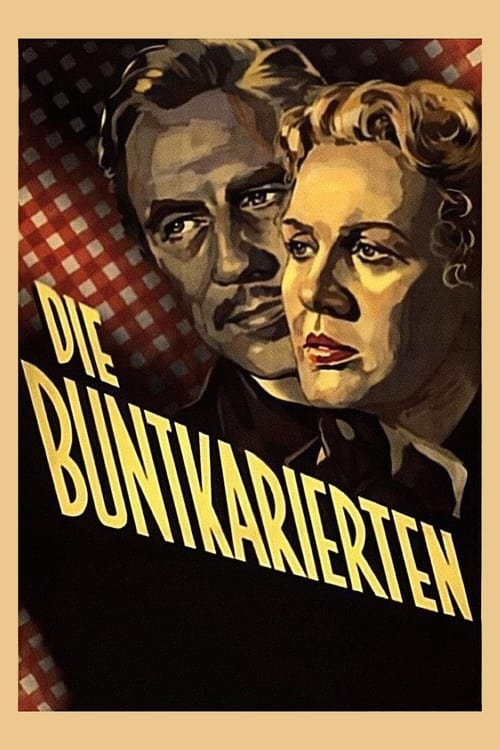
A moving saga focusing on the women in a family that spans three generations and almost 70 years of German history, from the Wilhelmine period through the end of WWII. This film shows that it takes a combination of hard work, political consciousness and family work in tandem to face the tragedies of war, economic hardship and death.
2011

1960
1955
1999
1954
1959
1977

2020
No reviews yet. Be the first to share your thoughts on this movie!
Use the rating form above to leave a star rating and optional review.