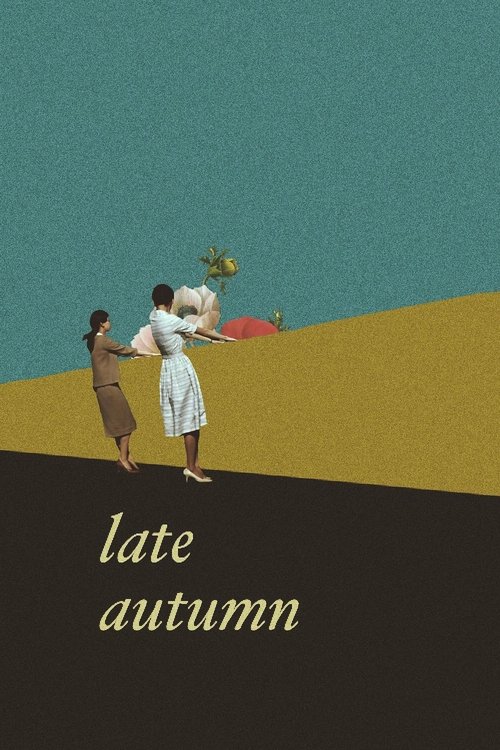
Late Autumn
1960
No user ratings available yet
Diversity score: 2.6 out of 10
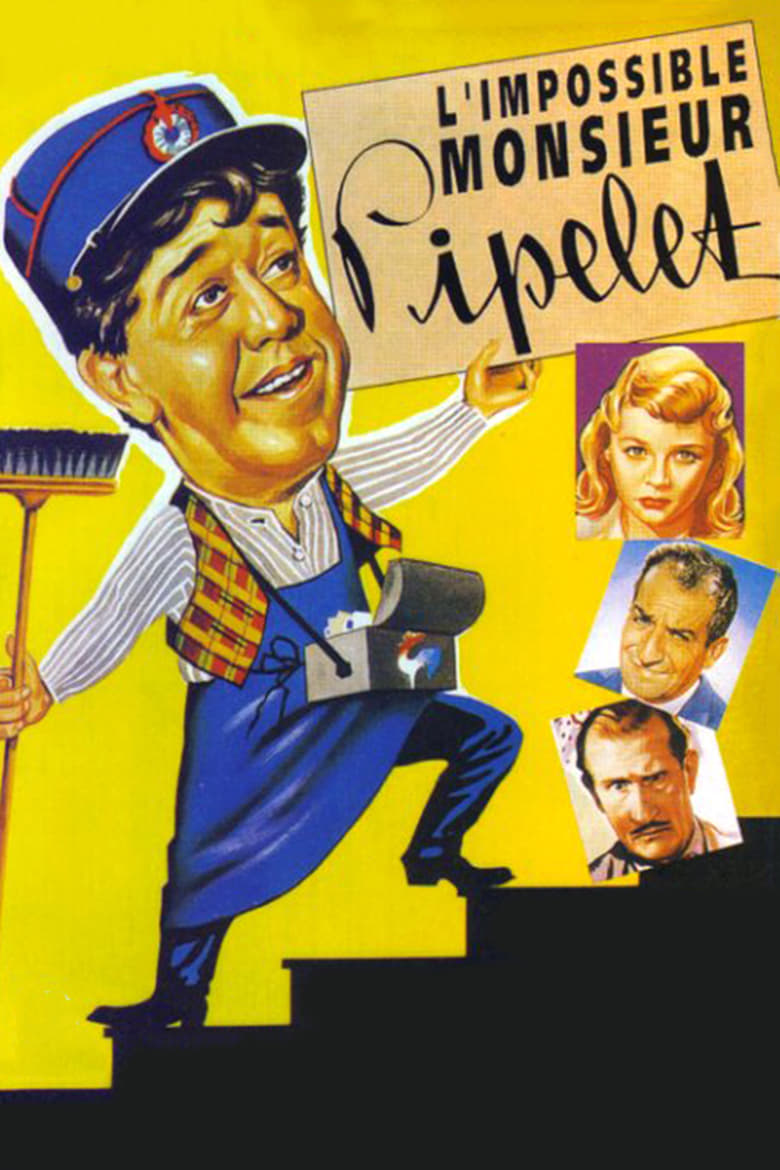
1955
Director
André Hunebelle
Runtime
87 minutes
Average Rating
No ratings yetSynopsis
A story about a simple old man with a lot of love for his only daughter. She falls in love with a doctor's son and he don't understand why...
Overall Score
Limited
Category Breakdown
LGBTQ+ Representation
The film follows a heteronormative romantic arc involving a daughter and a doctor's son. There is no evidence of non-cisnormative identities or critiques of traditional norms.
Gender Representation
The story centers on traditional familial roles and paternal authority. While the daughter drives the romantic conflict, the narrative reinforces mid-century domestic hierarchies.
Racial & Ethnic Diversity
The film likely reflects the homogeneous demographic norms of 1955 French cinema. There is no indication of ethnic blending or diverse casting.
Religious & Cultural Diversity
The narrative focuses on the preservation of the nuclear family and standard European social structures. It operates within conventional mid-century moral frameworks.
Disability Representation
The film provides no information regarding the depiction of physical or neurodivergent characters.
Strengths
Areas for Improvement
AI Analysis
L'Impossible Monsieur Pipelet is a conventional mid-century domestic drama that adheres strictly to the social standards of its era. The plot relies on established tropes of generational conflict and protective paternalism, centering on a father's struggle with his daughter's romantic choices. The film lacks intentionality regarding intersectional representation. It functions as a standard reflection of mid-century European life, prioritizing escapism and traditional storytelling over the deconstruction of social hierarchies. Ultimately, the work serves as a period piece that reinforces the status quo of its time rather than challenging it.
1960
1955
2009
1974
1947
1959

1974
1963

1958
1957

1959
1967
No reviews yet. Be the first to share your thoughts on this movie!
Use the rating form above to leave a star rating and optional review.