
Late Autumn
1960
No user ratings available yet
Representation score: 1.1 out of 10
Representation Score
Limited
1947
Director
Yasujirō Ozu
Runtime
72 minutes
Average Rating
No ratings yetNew Showbiz Analysis
Ozu’s film is a work of classical humanism that emphasizes social realism over identity-driven disruptions. It captures a specific historical moment through the lens of the Japanese working class. While the film does not include modern multi-layered markers or subvert traditional gender and sexual hierarchies, it offers a nuanced, non-judgmental portrayal of socioeconomic struggle. The narrative finds its strength in authentic observation rather than intentional social provocation. Ultimately, the film serves as a quiet commentary on the economic pressures of the era, focusing on human dignity amid systemic poverty.
Category Breakdown
The film follows the traditional social structures of 1947 Japan and does not depict any non-traditional gender identities or challenge the assumption that everyone is straight or cisgender.
The story follows the gender roles and family structures typical of the time. It does not challenge the traditional hierarchy or the dominance of men.
The cast reflects the cultural homogeneity of post-war Japan. The film focuses on the social differences within the country rather than ethnic diversity.
The film critically examines the economic hardships faced by the working class after World War II. It highlights the struggles of people living in crowded conditions.
There are no prominent portrayals of physical or cognitive disabilities. Characters with disabilities are not used as central plot devices.
Present on Screen
Limited or Absent
Official Synopsis
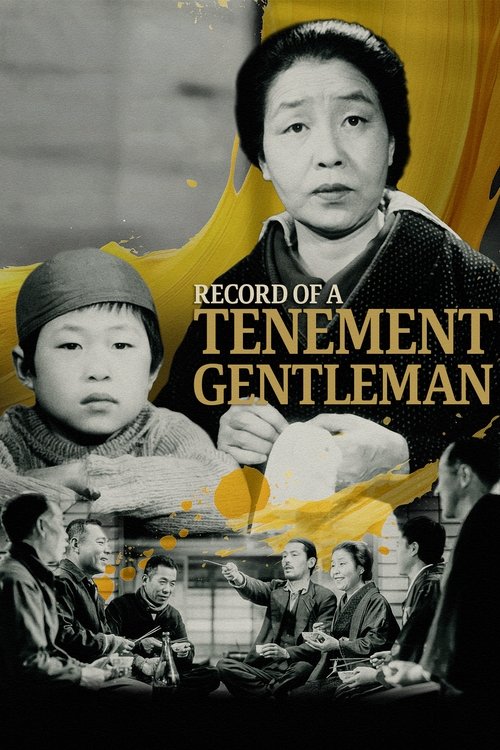
A hard-hearted old woman in a bombed-out Tokyo neighborhood reluctantly takes in an abandoned boy, leading to a heartwarming bond between them.
1960
1958
1958

1937
1936
1932
1935

1933
No reviews yet. Be the first to share your thoughts on this movie!
Use the rating form above to leave a star rating and optional review.