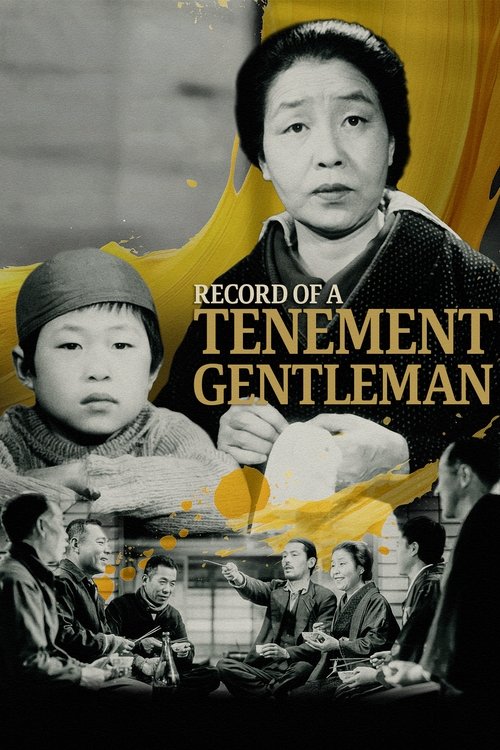
Record of a Tenement Gentleman
1947
No user ratings available yet
Representation score: 2.3 out of 10

Representation Score
Minimal
1958
Director
Hiroshi Inagaki
Runtime
103 minutes
Average Rating
No ratings yetNew Showbiz Analysis
The Rickshaw Man is a classic study of socioeconomic disparity and the cultural friction caused by rapid modernization. It serves as a period piece that prioritizes historical accuracy and class-based struggles over modern characters who reflect more than one aspect of diversity. While the film lacks LGBTQ+ and racial diversity, it provides a sophisticated look at how systemic changes affect individual dignity. The narrative effectively deconstructs the concept of progress by highlighting the loss of traditional ways of life. Ultimately, the film's social depictions are deeply traditional, focusing on the rigid hierarchies of late 19th-century Japan rather than modern inclusive frameworks.
Category Breakdown
The film strictly follows the social norms of the Meiji era and does not depict any queer romantic relationships or non-conforming gender identities.
The protagonist's actions are heavily influenced by patriarchal structures and family responsibilities. Despite her emotional depth, power remains concentrated in traditional male-dominated hierarchies.
The cast is ethnically uniform, focusing on internal Japanese class distinctions. It does not include diverse casting, reflecting the specific historical context of the period piece.
The narrative offers a nuanced critique of modernization and Westernization. It examines the tension between traditional Japanese values and the growing influence of Western institutions.
There are no prominent depictions of physical or neurodivergent disabilities that serve as central character traits or drive the narrative forward.
Present on Screen
Limited or Absent
Official Synopsis
A poor rickshaw driver finds himself helping a young woman and her son after the woman's husband dies suddenly.
1947

1960
1936

1993
1955

1982
1935

2011
No reviews yet. Be the first to share your thoughts on this movie!
Use the rating form above to leave a star rating and optional review.