
Maine Pyar Kiya
1989
No user ratings available yet
Representation score: 0.9 out of 10
Representation Score
Minimal
1959
UDirector
Yatrik
Runtime
124 minutes
Average Rating
No ratings yetNew Showbiz Analysis
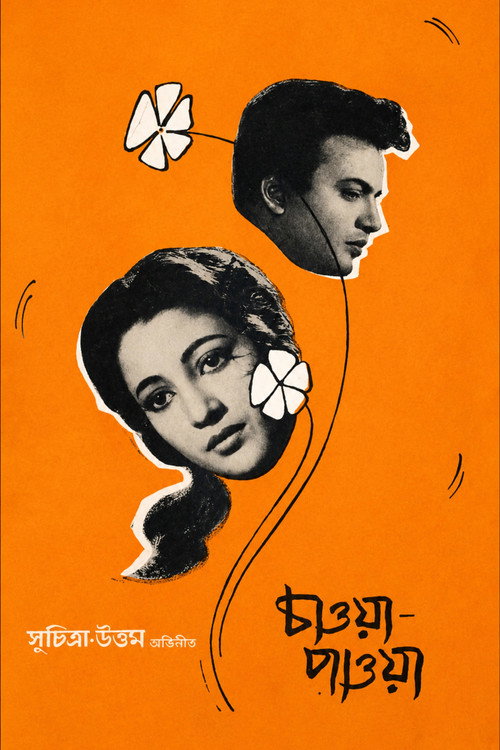
Chaowa Pawa (1959) is a traditional romantic drama that adheres closely to the genre conventions of its time. The story centers on the interpersonal dynamics of romance and class, particularly through the interactions between Rajat and the wealthy Manju. The film lacks intentional disruptions of social hierarchies or the inclusion of diverse identities. It prioritizes a standard romantic resolution over exploring complex or non-traditional social identities. Ultimately, the film reflects the social norms of the 1950s without venturing into more inclusive or subversive themes.
Category Breakdown
The film follows a traditional heterosexual romance between Rajat and Manju. There are no characters with non-binary genders or sexual orientations, nor does it critique the assumption that everyone is straight or cisgender.
Manju is a central character, but her role is defined by her relationship with her father and her romantic involvement. The film uses typical mid-century dramatic structures.
The film is set in a specific cultural context. There is no information about diverse casting beyond the main characters.
The plot focuses on individual romantic pursuits and class issues. It aligns with the conventional social morality of 1950s cinema without critiquing broader societal structures.
There are no characters with visible or invisible disabilities. The film does not include neurodivergent representation.
Present on Screen
Limited or Absent
Official Synopsis
Rajat, a young man, meets Manju, a rich girl whose father is looking for her. Though Rajat initially slyly tells her father her whereabouts, he ends up falling in love with her.
1989
1955

1964
1971

2002

2012
1949
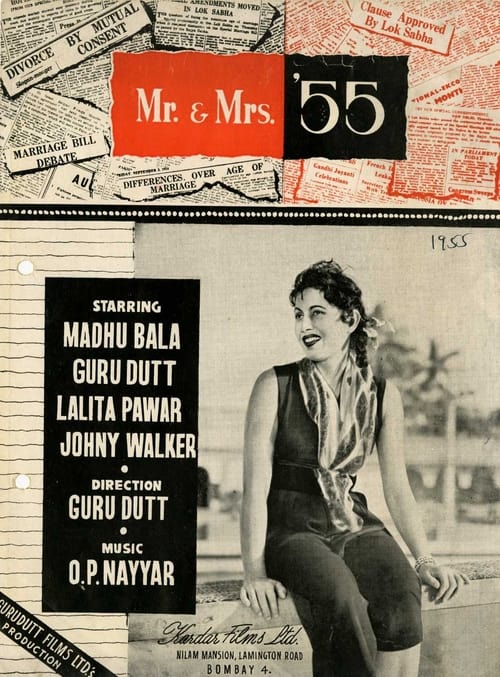
1955
No reviews yet. Be the first to share your thoughts on this movie!
Use the rating form above to leave a star rating and optional review.