
Come on People
1967
No user ratings available yet
Representation score: 3.1 out of 10
Representation Score
Limited
1967
Director
Nikos Papatakis
Runtime
120 minutes
Average Rating
No ratings yetNew Showbiz Analysis
Thanos and Despina's story functions as a traditional period drama centered on socioeconomic tension. The plot follows a classic class-based structure, pitting an impoverished shepherd family against a wealthy landowner. While the film offers insight into historical social hierarchies and regional class distinctions, it lacks complexity in addressing multiple aspects of identity. The narrative adheres to the conventional social norms and gendered dynamics typical of mid-century Mediterranean cinema. Ultimately, the film prioritizes a study of class struggle over challenging traditional identity-based frameworks or progressive social themes.
Category Breakdown
The story centers on a marriage between Thanos and Despina, which follows traditional heterosexual norms. There is no representation of LGBTQ+ identities or critiques of heteronormativity within the plot.
The narrative relies on traditional familial roles where Katina acts as a marriage facilitator, and Despina is the object of a marital arrangement within conventional social dynamics.
This Greek production focuses on internal social hierarchies between shepherds and landowners. It maintains a homogeneous ethnic profile consistent with its regional setting.
The film engages with traditional social structures and patriarchal authority. The tension between the impoverished and the wealthy highlights class disparity.
There are no mentions of characters with visible or invisible disabilities in the narrative.
Present on Screen
Limited or Absent
Official Synopsis
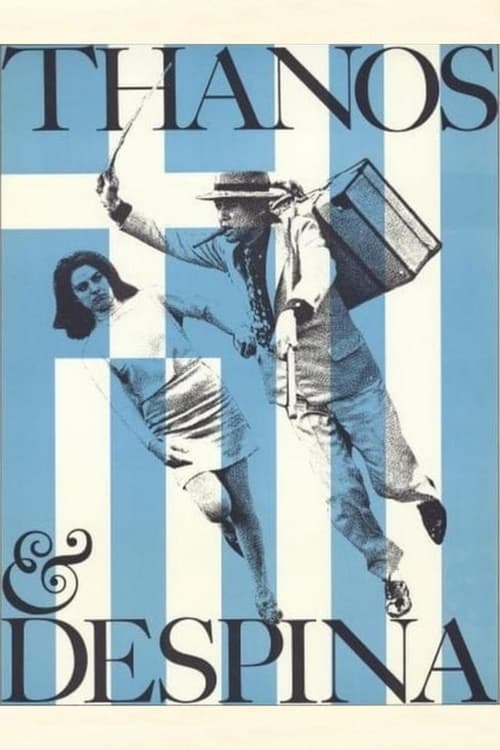
Katina, an impoverished Greek woman, tries to arrange the marriage of her shepherd son, Thanos, to Despina, the daughter of a wealthy landowner. But Despina’s father, Vlahopoulos refuses to give his blessings.
1967

1978

1997

1963

1953

1969

1968

1963
No reviews yet. Be the first to share your thoughts on this movie!
Use the rating form above to leave a star rating and optional review.