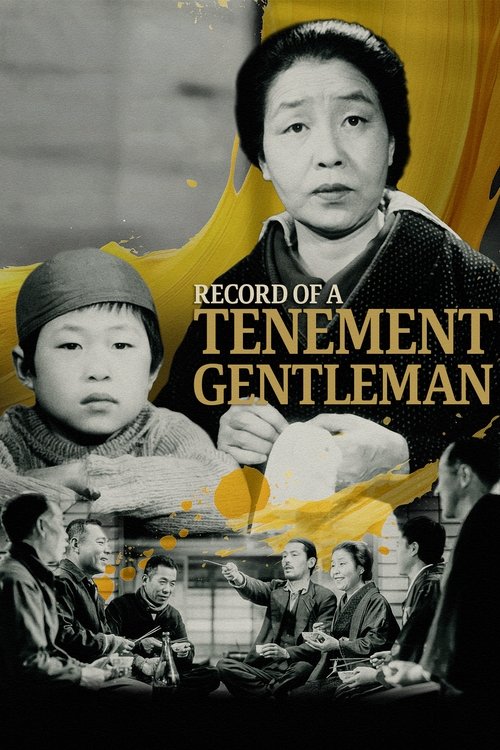
Record of a Tenement Gentleman
1947
No user ratings available yet
Representation score: 2.3 out of 10
Representation Score
Minimal
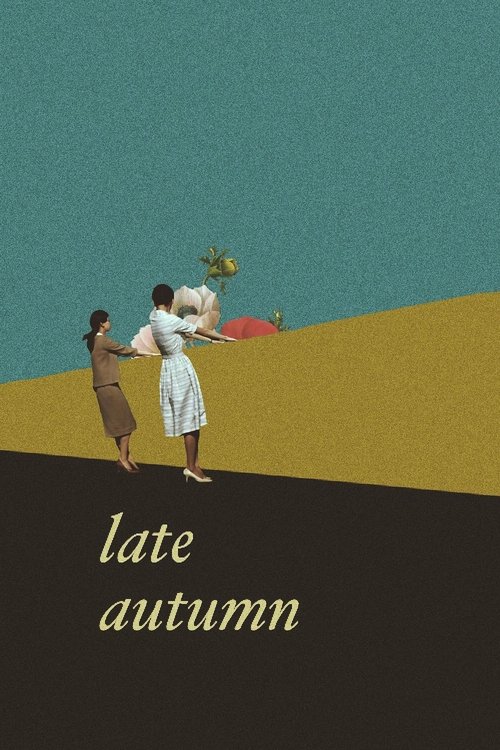
1960
Not RatedDirector
Yasujirō Ozu
Runtime
128 minutes
Average Rating
No ratings yetNew Showbiz Analysis
Yasujirō Ozu’s work centers on the domestic sphere and the subtle changes in social structures. While the film lacks broad demographic representation or multi-layered complexity, it offers a sophisticated exploration of the erosion of traditional family units. The narrative emphasizes domestic intimacy over social upheaval, observing the shifting cultural landscape through personal experiences rather than direct political conflict. Ultimately, the film serves as a portrait of a specific national identity, maintaining traditional aesthetics while acknowledging the transient nature of social institutions.
Category Breakdown
The film adheres to the assumption that everyone is straight or cisgender. It does not depict any non-cisgender identities or LGBTQ+ perspectives.
The film avoids portraying women in submissive roles, allowing the daughter to make her own choices. However, it maintains a realistic portrayal of patriarchal household dynamics without challenging these norms.
This film focuses on the lives of middle-class Japanese individuals, emphasizing a homogeneous cultural experience without representing diverse ethnic groups.
The film examines the breakdown of the traditional nuclear family through the lens of transient social changes. It stays rooted in the cultural norms of its time.
There are no visible or invisible disabilities that play a central role in the character arcs or the plot progression.
Present on Screen
Limited or Absent
Official Synopsis
A woman and her daughter are each forced to contend with an increasing pressure to marry, particularly from three men who knew her late husband.
1947
1958

1937

1951
1962
1958

1932
1949
No reviews yet. Be the first to share your thoughts on this movie!
Use the rating form above to leave a star rating and optional review.