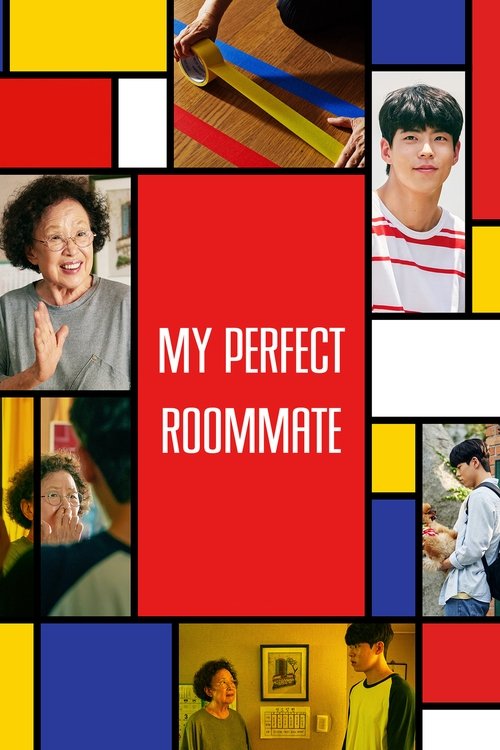
My Perfect Roommate
2022
No user ratings available yet
Representation score: 5.3 out of 10

Representation Score
Fair
2010
Director
Shin Yeon-shick
Runtime
115 minutes
Average Rating
No ratings yetNew Showbiz Analysis
Fair Love is a character-driven drama that stands out by subverting traditional romantic clichés through an age-gap relationship and providing the female lead with significant proactive influence. The protagonist, Nam-eun, avoids the passive love interest stereotype by actively steering the courtship. However, the film lacks diversity in terms of LGBTQ+ identities and multicultural representation. It operates within a narrow demographic scope, focusing primarily on a culturally homogeneous narrative. Additionally, the use of terminal illness as a plot device limits the depth of its disability representation.
Category Breakdown
The film follows a strictly heterosexual storyline without any representation of LGBTQ+ identities or critiques of traditional sexual orientations.
Nam-eun actively initiates the courtship, avoiding the passive female stereotype. She demonstrates significant influence over the relationship, showing proactive behavior.
The production features an ethnically homogeneous cast and setting, reflecting the specific demographic realities of its South Korean context without incorporating multicultural elements.
The story explores an unconventional age-gap relationship, challenging social norms and focusing on individual emotional development rather than broader institutional critiques.
Terminal illness serves as a narrative catalyst for the central romance, but the film lacks a deeper exploration of the lived experience of chronic illness.
Present on Screen
Limited or Absent
Official Synopsis
Hyung-man is in his fifties and has regrettably never dated. After having lost all his, Hyung spends his monotonous and frustrating life in his photo studio. One day, Hyung decides to pay his fraudulent friend, Ki-hyuk, a visit, after having heard that he is dying of cancer. Ki-hyuk requests that Hyung look after his daughter, Nam-eun, once in a while after he dies. After Ki-yuk passes away, Hyung decides to visit his friend’s daughter. Noticing that Nam is more distressed over the death of her pet cat than her father, Hyung decides to look after her once in a while. Nam-eun too finds her father’s silly and unmarried friend quite interesting. Using Hyung’s dirty laundry as an excuse, Nam frequently visits Hyung, gradually expressing her feelings for him. Although awkward and surprised at first, Hyung too is curious about his feelings for his friend’s daughter. Soon, Hyung who was once simply Nam’s father’s friend becomes her man and they begin a series of unusual dates.
2022

1971
2012
2012

2013
2010
2024
2006
No reviews yet. Be the first to share your thoughts on this movie!
Use the rating form above to leave a star rating and optional review.