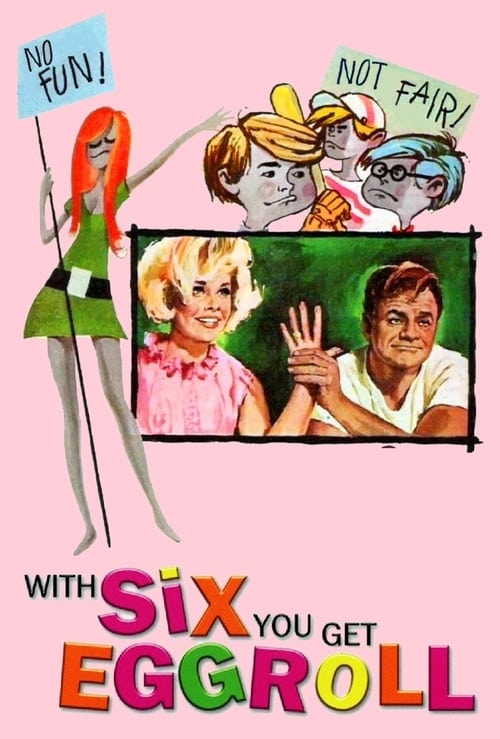
With Six You Get Eggroll
1968
No user ratings available yet
Representation score: 1.4 out of 10

Representation Score
Minimal
1963
ApprovedDirector
Vincente Minnelli
Runtime
120 minutes
Average Rating
No ratings yetNew Showbiz Analysis
The film accurately portrays mid-century domestic life, emphasizing the restoration of traditional social hierarchies. It operates within the established social frameworks of the 1960s studio system without attempting to disrupt them. Representation is limited by the era's norms, focusing on a white, middle-class, heterosexual family unit. This leaves little room for diverse identities or perspectives. Ultimately, the work celebrates conventional stability, lacking engagement with disability, racial diversity, or LGBTQ+ themes.
Category Breakdown
The film does not include any LGBTQ+ identities or same-sex relationships, sticking to the assumption that everyone is straight or cisgender.
The female lead plays a significant role in driving the story, but the plot mainly revolves around male romantic interests and traditional domestic roles.
The film features an overwhelmingly white cast, presenting a localized, white middle-class experience as the norm.
The story celebrates traditional Western social structures and ideal family models, without challenging institutional norms.
There are no characters with physical, sensory, or neurodivergent disabilities, and the story is told through an able-bodied perspective.
Present on Screen
Limited or Absent
Official Synopsis
Although he's only seven, Eddie's got it all figured out. He wants his father, a widower, to get remarried — to the girl next door. Unfortunately, she's not one of the women that his dad's been dating.
1968
1950
1951
1958

1960
1944
1951

1955
No reviews yet. Be the first to share your thoughts on this movie!
Use the rating form above to leave a star rating and optional review.