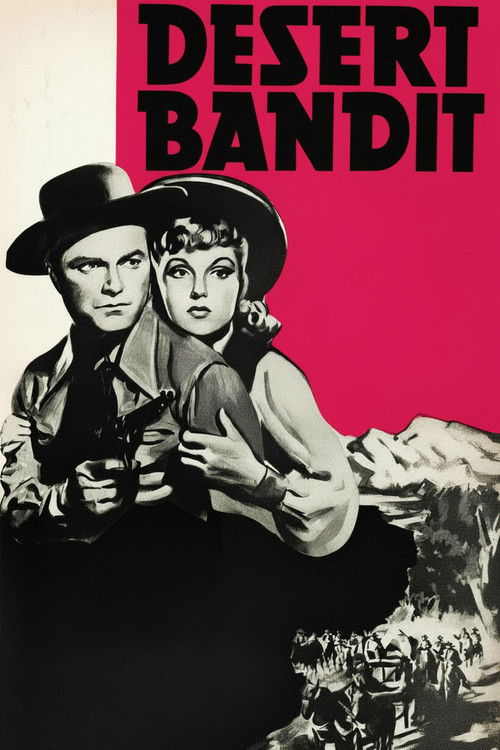
Desert Bandit
1941
No user ratings available yet
Representation score: 1.7 out of 10
Representation Score
Minimal
1941
PassedDirector
George Sherman
Runtime
56 minutes
Average Rating
No ratings yetNew Showbiz Analysis
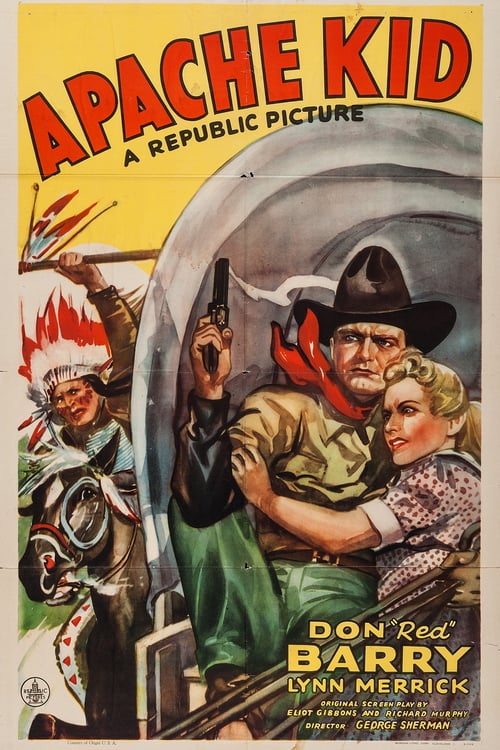
The Apache Kid is a period-accurate B-Western that prioritizes genre clichés over social complexity. It relies on rigid moral binaries and traditional frontier archetypes to drive its narrative of vigilantism and justice. While the film challenges authority by depicting a corrupt town boss, this validates the hero's actions rather than challenging broader systemic structures. Characters function within predictable roles that uphold the status quo of 1940s cinema. Ultimately, the film lacks depth in representing diverse identities or complex social dynamics.
Category Breakdown
The film does not include any identifiable LGBTQ+ characters or dynamics. It stays within a framework that assumes everyone is straight or cisgender.
Gender hierarchies are reinforced through passive female roles. Lynn Merrick mainly serves as a moral guide for the protagonist rather than taking an active role.
The narrative uses the Apache namesake as a backdrop for conflict without providing nuanced representation. The cast remains predominantly homogeneous.
The story operates within a conventional moral framework. It frames corruption as an individual failing rather than critiquing Western institutions.
There is no visible or documented representation of physical, sensory, or neurodivergent disabilities within the film.
Present on Screen
Limited or Absent
Official Synopsis
Don "Red" Barry, Republic's answer to Jimmy Cagney, stars in The Apache Kid. Barry plays Pete Dawson, a pugnacious cowboy who dons a mask and becomes a stagecoach robber. It's all in a good cause, however: Dawson is stealing from the town boss (Leroy Mason) who has ripped off a group of miners. Heroine Lynn Merrick is the daughter of the local judge, so naturally she misunderstands Barry's motives, at least until fadeout time.
1941
1940
1941
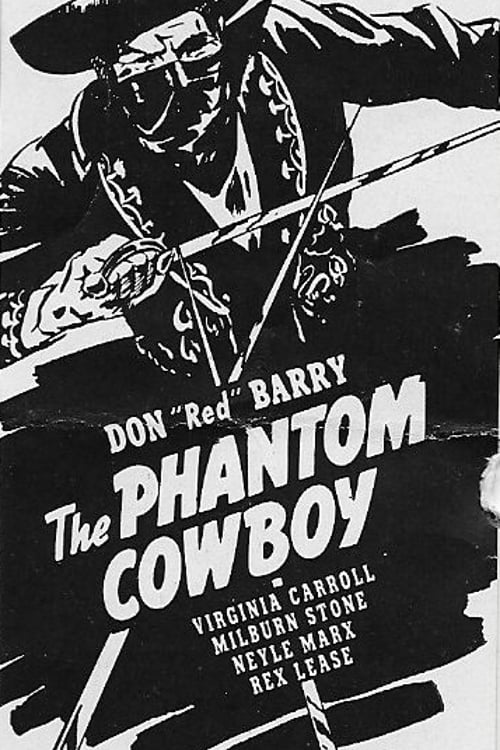
1941
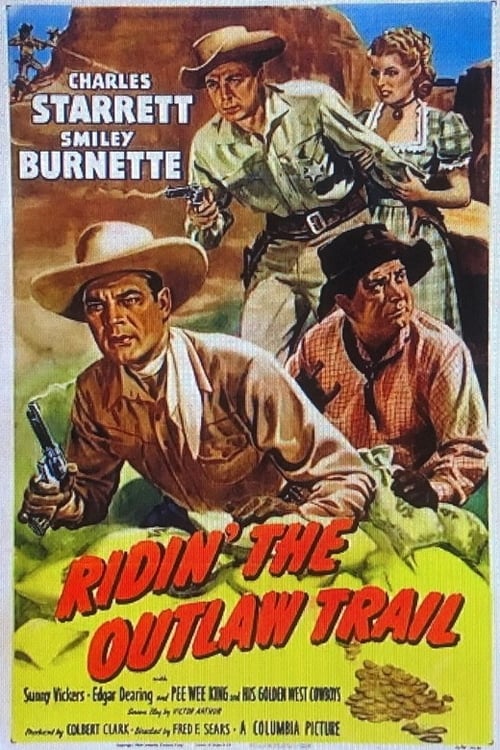
1951
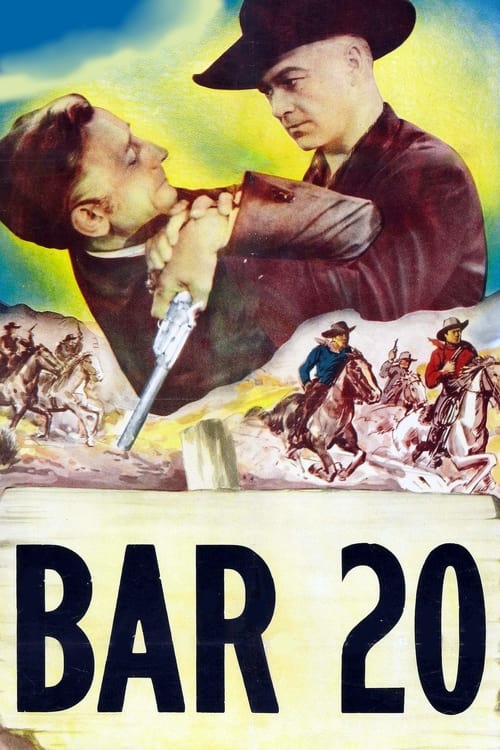
1943
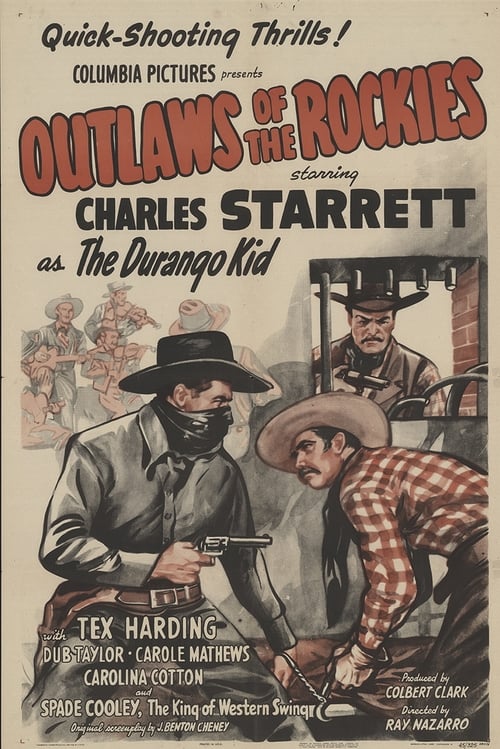
1945

1940
No reviews yet. Be the first to share your thoughts on this movie!
Use the rating form above to leave a star rating and optional review.