
The Trail Blazers
1940
No user ratings available yet
Representation score: 0.6 out of 10
Representation Score
Minimal
1942
ApprovedDirector
George Sherman
Runtime
56 minutes
Average Rating
No ratings yetNew Showbiz Analysis
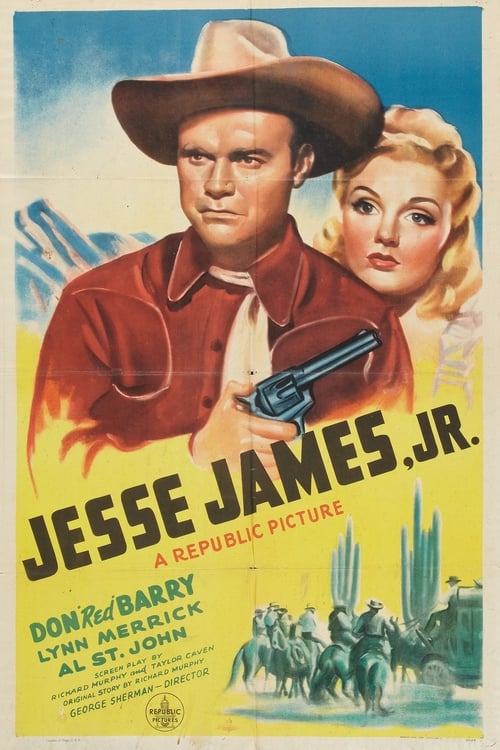
Jesse James, Jr. is a typical B-Western that centers on traditional action clichés. The narrative focuses on the tension between frontier lawlessness and the establishment of communal infrastructure, particularly the struggle to secure communication lines. As a product of 1942, the film adheres strictly to the social and cinematic norms of its time. It reinforces the white, Anglo-Saxon narratives common to the American frontier mythos without challenging established cultural norms.
Category Breakdown
The film does not include any LGBTQ+ characters or non-straight identities. The story focuses solely on traditional heterosexual relationships and masculine pursuits.
Female characters play minor roles, mainly serving as emotional catalysts. The plot emphasizes masculine ability to act and physical confrontations over female leadership or intellectual depth.
The cast is primarily homogeneous, reflecting the production standards of the 1940s. There is no significant development of minority characters or diverse casting within the frontier mythos.
The story follows standard Western genre conventions regarding community stability. It lacks a critical perspective on the social structures of the American West.
There are no notable depictions of visible or invisible disabilities. Characters are defined by the physical capabilities needed for action-oriented Western clichés.
Present on Screen
Limited or Absent
Official Synopsis
Though Don "Red" Barry is the star of Jesse James, Jr., he plays a character named Johnny Barrett. The scene is a small western town, lacking telegraph service. Every time the locals try to set up communications with the Outside World, they are thwarted by an outlaw gang.
1940
1939
1946
1959
1953
1941
1948
1949
No reviews yet. Be the first to share your thoughts on this movie!
Use the rating form above to leave a star rating and optional review.