Desert Bandit
1941
No user ratings available yet
Representation score: 1.7 out of 10
Representation Score
Minimal
1941
ApprovedDirector
George Sherman
Runtime
58 minutes
Average Rating
No ratings yetNew Showbiz Analysis
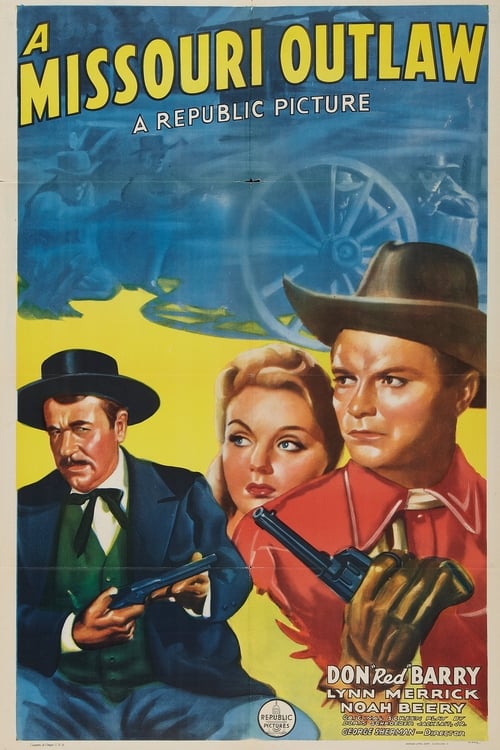
A Missouri Outlaw is a classic example of its time, reinforcing established social and gender hierarchies. The narrative centers on a traditional arc of masculine heroism and the pursuit of individual justice. The film lacks complexity in its portrayal of diverse identities, presenting a homogeneous view of the frontier. It adheres to rigid frameworks that prioritize white, Anglo-Saxon experiences and traditional gender roles without challenging them.
Category Breakdown
The film follows strict conventions typical of the early 1940s, where everyone is assumed to be straight and cisgender. There are no representations of LGBTQ+ identities or same-sex relationships.
The story focuses on masculine roles and physical confrontations. Female characters play secondary roles, often appearing as romantic interests or figures in need of protection.
The cast is mostly white and Anglo-Saxon. The film does not include significant racial or ethnic diversity, focusing instead on a homogeneous depiction of the American West.
The story emphasizes individual justice and the restoration of social order. It does not challenge institutional norms or moral relativism, sticking to a conventional Western framework.
There are no visible or invisible disabilities depicted in the film. Characters are defined by the physical abilities needed for Western action.
Present on Screen
Limited or Absent
Official Synopsis
Don "Red" Barry is unjustly accused of being a Missouri Outlaw. The real bad guys are a gang of crooks who've been conning the local merchants and farmers out of their hard-earned dollars. Barry decides to use his bad reputation to his advantage by infiltrating the criminal gang.
1941
1929

1940
1946
1942
1953
1941
1942
No reviews yet. Be the first to share your thoughts on this movie!
Use the rating form above to leave a star rating and optional review.