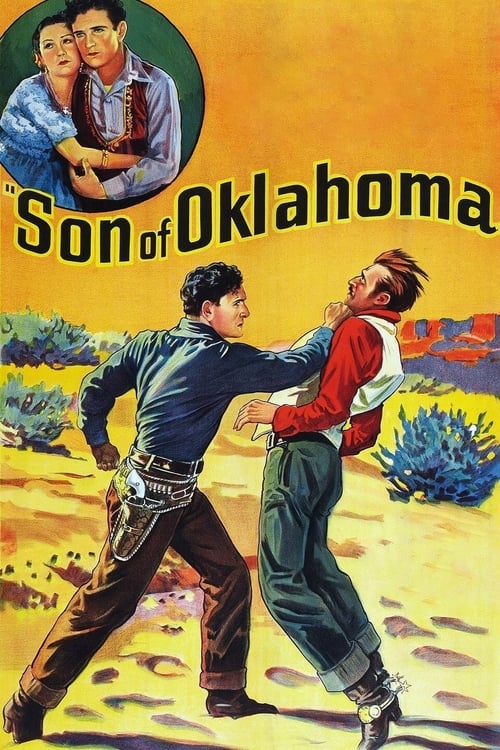
Son of Oklahoma
1932
No user ratings available yet
Representation score: 0.5 out of 10
No Poster Available
Representation Score
Minimal
1931
PassedDirector
Robert N. Bradbury
Runtime
59 minutes
Average Rating
No ratings yetNew Showbiz Analysis
A Son of the Plains is a quintessential product of early 1930s Western cinema. It relies heavily on traditional genre clichés that prioritize men's control over the story and reinforce the social hierarchies of the era. The film lacks intentional diversity, focusing instead on a standard Western ensemble and the preservation of frontier values. It functions as a reinforcement of the status quo rather than challenging it. Ultimately, the narrative structure is built around conventional archetypes, leaving little room for representation outside of the dominant Anglo-Saxon, straight-centered, and male-centric structures of the time.
Category Breakdown
The film operates within a framework that assumes everyone is straight or cisgender. There is no presence of diverse sexual orientations or gender identities.
Male characters like Farrell and Brent play key roles in driving the story. Female characters, such as Ann, mainly serve as emotional stakes or catalysts for male actions.
The film follows traditional casting norms typical of early Westerns. It lacks significant racial diversity and characters of color with substantial influence.
The story celebrates frontier justice and individual heroism through the hero versus bandit cliché. It reinforces established ideas of law, order, and property rights.
There are no characters with visible or invisible disabilities. The narrative does not use disability as a plot device.
Present on Screen
Limited or Absent
Official Synopsis
Brokaw, the Polka Dot Bandit, asks Farrell to help rob Wells Fargo. Farrell plans to capture Brokaw for the reward but is assumed to be one of the bandits and shot. Brent captures Brokaw, but Ann thinking her father is in on the robbery lets him go. Brent catches up with him only to be framed when the polka dot bandanna is found on his saddle.
1932
1931
1925
1930
1940
1932
1935
1931
No reviews yet. Be the first to share your thoughts on this movie!
Use the rating form above to leave a star rating and optional review.