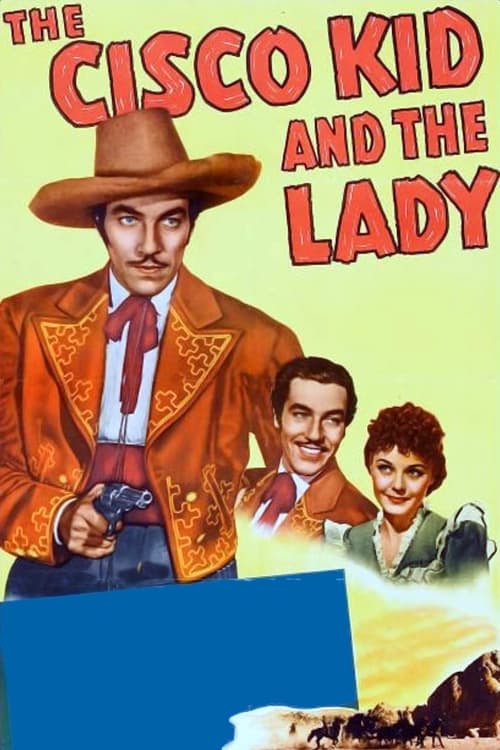
The Cisco Kid and the Lady
1939
No user ratings available yet
Representation score: 1.5 out of 10

Representation Score
Minimal
1931
NRDirector
Irving Cummings
Runtime
60 minutes
Average Rating
No ratings yetNew Showbiz Analysis
The Cisco Kid (1931) is a product of its time, relying heavily on established Western archetypes that lack depth in reflecting multiple aspects of identity. The film's main issue lies in its casting and character roles, which reinforce traditional social hierarchies rather than challenging them. While the film introduces a morally complex theme by framing a criminal outlaw as a heroic figure, this complexity is weakened by a lack of cultural authenticity due to the whitewashing of the lead role.
Category Breakdown
The film does not include any LGBTQ+ characters or representations of non-straight relationships. It sticks closely to the social norms of the early 1930s.
Female characters such as Sally Benton mainly serve as damsels in distress. They act as catalysts for the male lead's heroism rather than having independent roles.
The film includes significant whitewashing by casting white actor Charles Bickford in the Mexican-rooted role of the Cisco Kid. This choice emphasizes Anglo-centric heroism over ethnic authenticity.
The narrative explores moral relativism through a 'noble outlaw' archetype. While it disrupts legal binaries, it fails to provide a deeper critique of Western institutions.
There are no depictions of visible or invisible disabilities. Characters are defined solely by the physical abilities needed for Western action.
Present on Screen
Limited or Absent
Official Synopsis
The Cisco Kid rides again! This time, he robs a bank to save pretty widow Sally Benton and her ranch. After developing a good relationship with Sally’s children, he risks life and limb in order to save her little one.
1939

1957
1940
1930
1933
1949

1941
1935
No reviews yet. Be the first to share your thoughts on this movie!
Use the rating form above to leave a star rating and optional review.