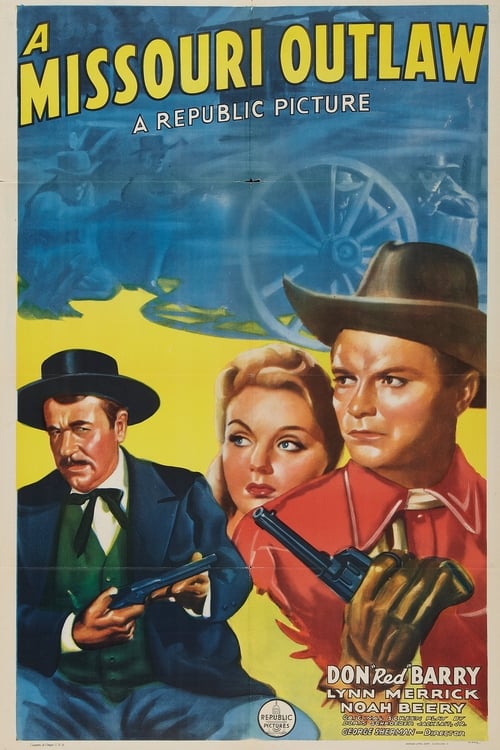
A Missouri Outlaw
1941
No user ratings available yet
Diversity score: 1.4 out of 10
1941
ApprovedDirector
George Sherman
Runtime
56 minutes
Average Rating
No ratings yetSynopsis
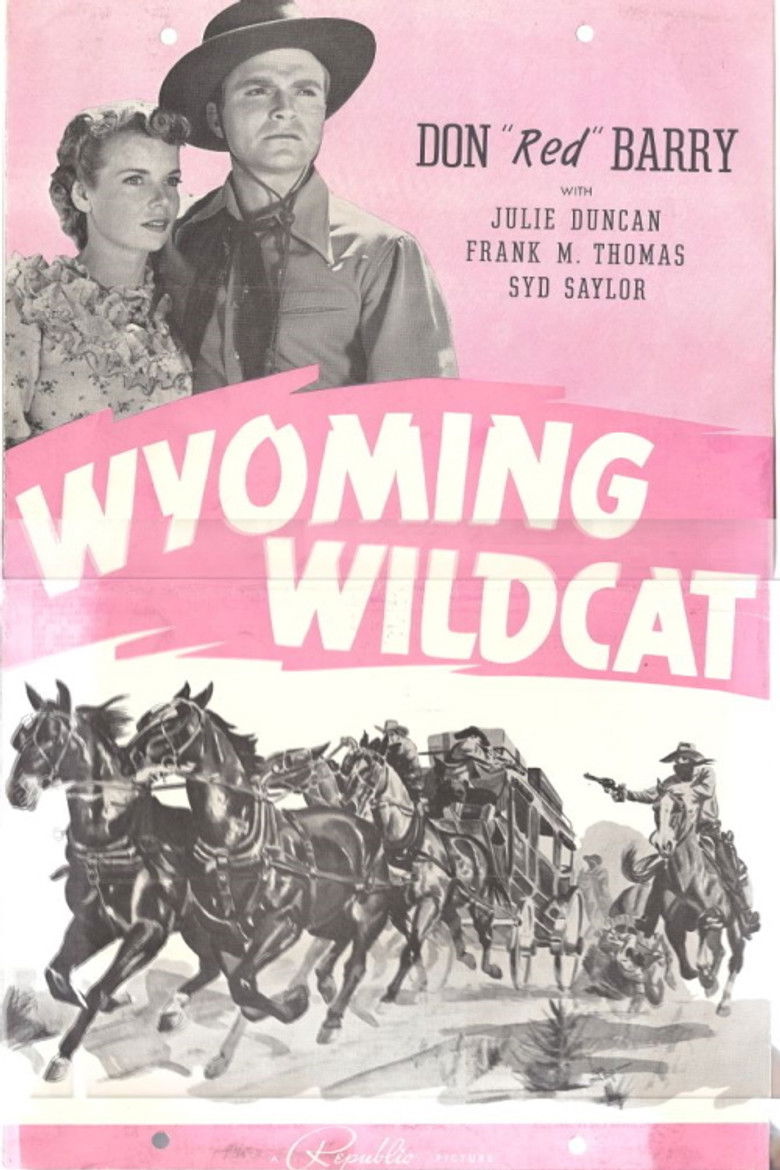
A former outlaw becomes a Wells Fargo guard, but when the stagecoach is robbed, he becomes a wanted man once again.
Overall Score
Minimal
Category Breakdown
LGBTQ+ Representation
The film contains no visible or implied LGBTQ+ characters. It operates within a strictly heteronormative framework typical of 1940s studio productions.
Gender Representation
Narrative agency is centered almost exclusively on male protagonists. Female characters occupy secondary, supportive roles within a male-dominated frontier structure.
Racial & Ethnic Diversity
The casting relies on homogeneous white ensembles. There is no evidence of characters of color possessing significant narrative agency or intersectional depth.
Religious & Cultural Diversity
The plot promotes conventional values of personal honor and institutional stability. It adheres to traditional Western moral binaries without deconstructing frontier institutions.
Disability Representation
No characters with visible or invisible disabilities are central to the story. There is no neurodivergent representation or meaningful use of disability.
Strengths
Areas for Improvement
AI Analysis
Wyoming Wildcat is a quintessential B-Western that prioritizes genre conventions over social complexity. The story follows a former outlaw turned Wells Fargo guard, focusing on a linear struggle to restore order and personal honor. Because the film was produced in 1941, it adheres to the era's standardized archetypes. The narrative is driven by masculine pursuits of justice, leaving little room for diverse perspectives or non-traditional identities. Ultimately, the film functions as a traditional genre piece. It reinforces established social hierarchies and Anglo-centric views of the American West rather than challenging them.
1941
1941
1949
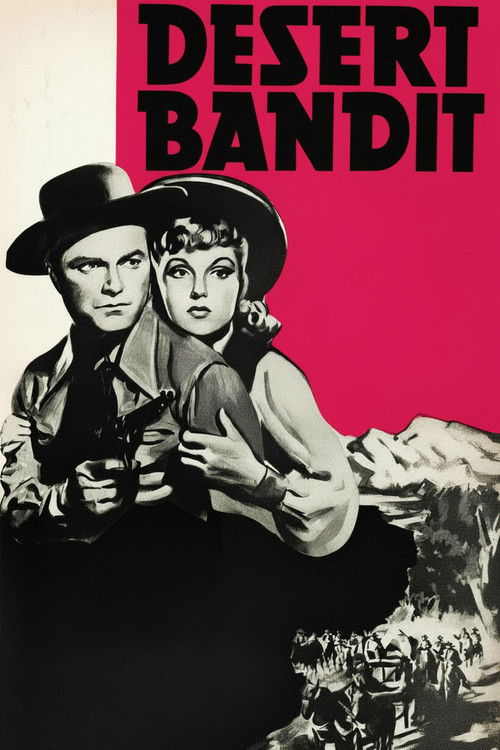
1941
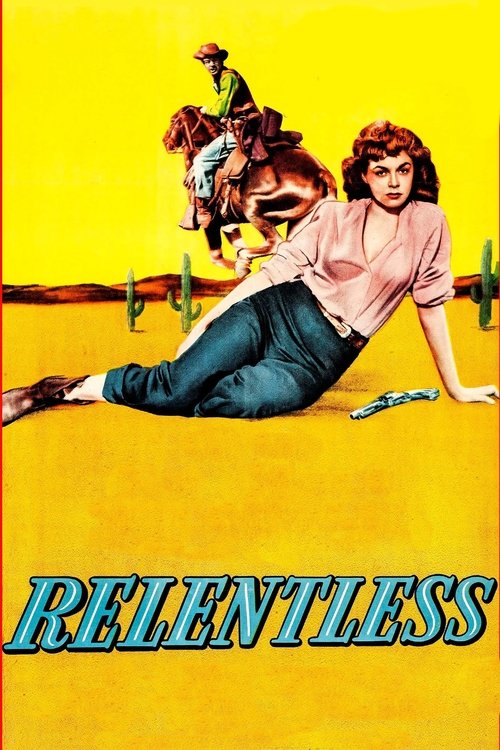
1948
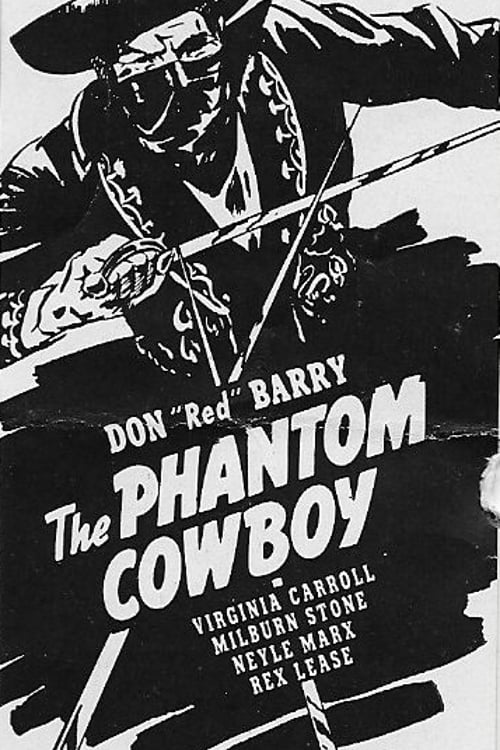
1941

1944

1939
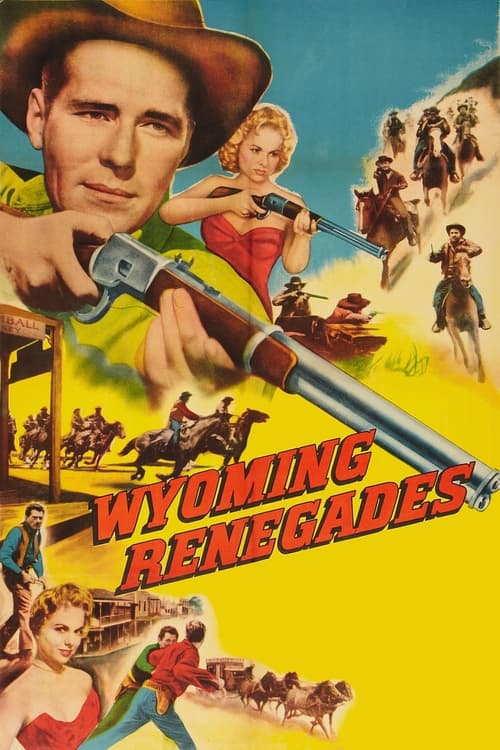
1954
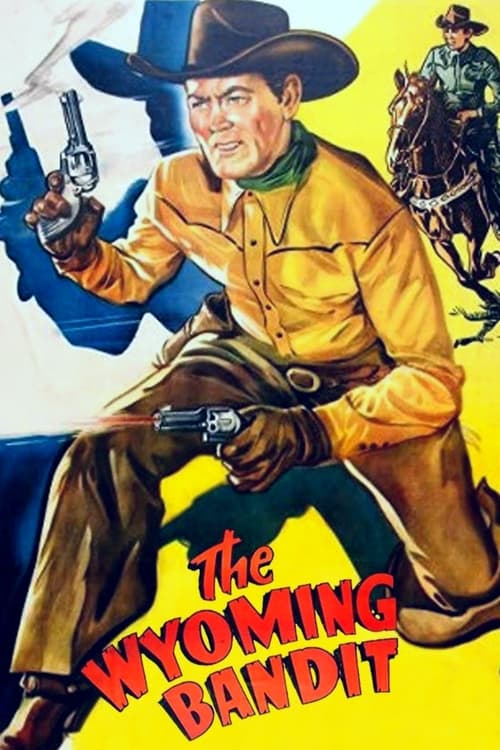
1949
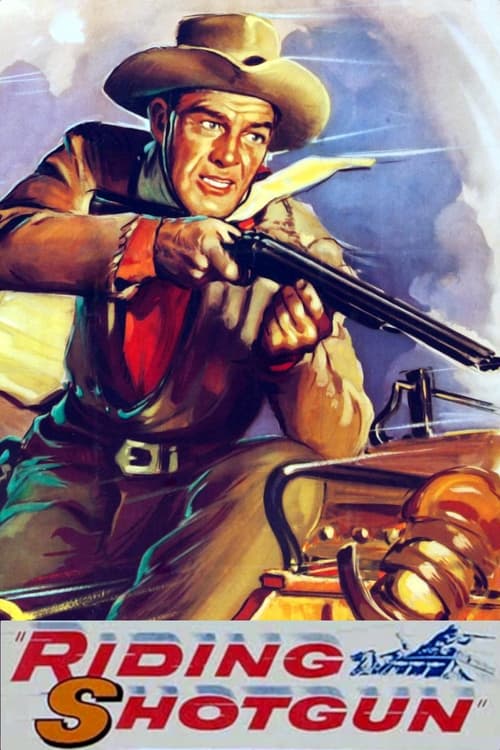
1954
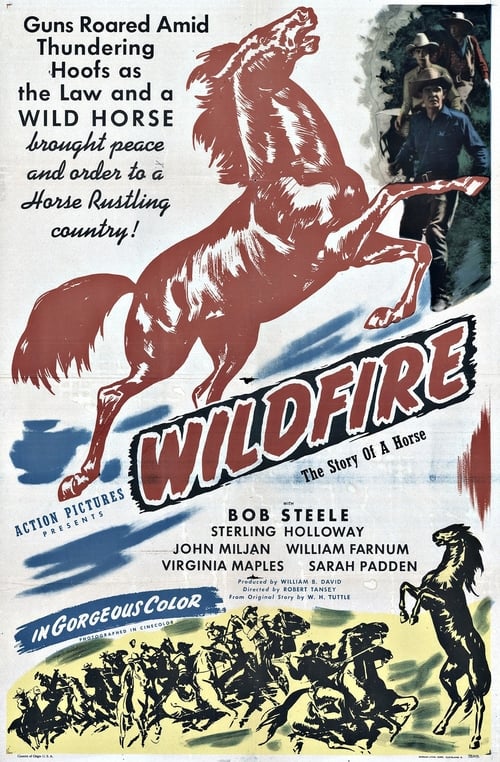
1945
No reviews yet. Be the first to share your thoughts on this movie!
Use the rating form above to leave a star rating and optional review.