
Battle of Kosovo
1989
No user ratings available yet
Diversity score: 1.4 out of 10

1914
NRDirector
D.W. Griffith
Runtime
72 minutes
Average Rating
No ratings yetSynopsis
Griffith adapts the story of the Apocryphal Book of Judith to the screen. During the siege of the Jewish city of Bethulia by the Assyrian tyrant Holofernes, a widow named Judith forms a plan to stop the war as her people suffer in starvation, nearly ready to surrender.
Overall Score
Limited
Category Breakdown
LGBTQ+ Representation
The film lacks any depiction of queer identities or non-heteronormative subtext. Interpersonal dynamics focus strictly on the heterosexual tension between Judith and Holofernes.
Gender Representation
Judith provides a rare instance of female agency, using intellect and decisiveness to alter the war's course. However, this strength is framed within a traditional religious context.
Racial & Ethnic Diversity
The production utilizes a predominantly white cast to portray Middle Eastern figures. The visual language relies on a generalized, Eurocentric approach rather than ethnic specificity.
Religious & Cultural Diversity
The narrative functions as a religious epic that reinforces singular moral frameworks. It prioritizes divine righteousness and communal survival over secular or deconstructive social commentary.
Disability Representation
No visible or invisible disabilities are portrayed within the cast or character arcs. The story focuses entirely on the macro-scale conflict of the siege.
Strengths
Areas for Improvement
AI Analysis
D.W. Griffith’s adaptation of the biblical story of Judith offers a complex look at gendered agency within a highly traditionalist framework. While the protagonist breaks the mold of female passivity, the film remains deeply rooted in the social and racial hierarchies of its era. The production lacks meaningful representation for LGBTQ+ individuals, people with disabilities, or diverse ethnic groups. It relies on a Eurocentric lens to depict Middle Eastern history, prioritizing religious orthodoxy over cultural specificity. Ultimately, the film serves as a vehicle for traditionalist storytelling. It celebrates religious devotion and survival but does not attempt to challenge systemic power dynamics or social norms.
1989

1987

1935
1938

2018
2011
2008
1928

2023
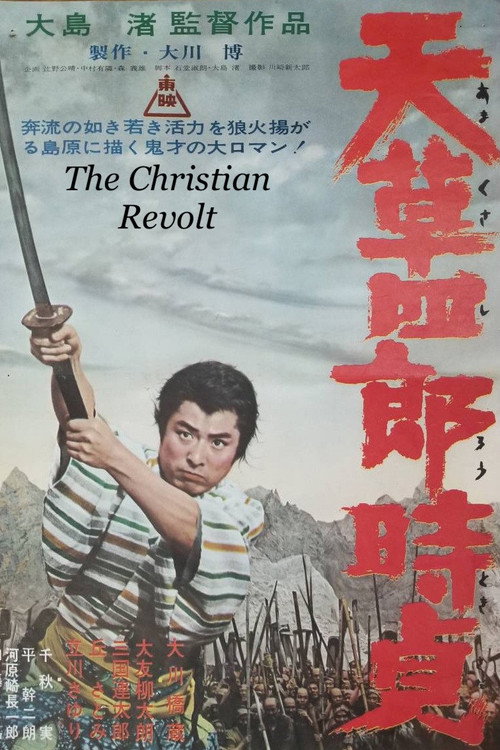
1962
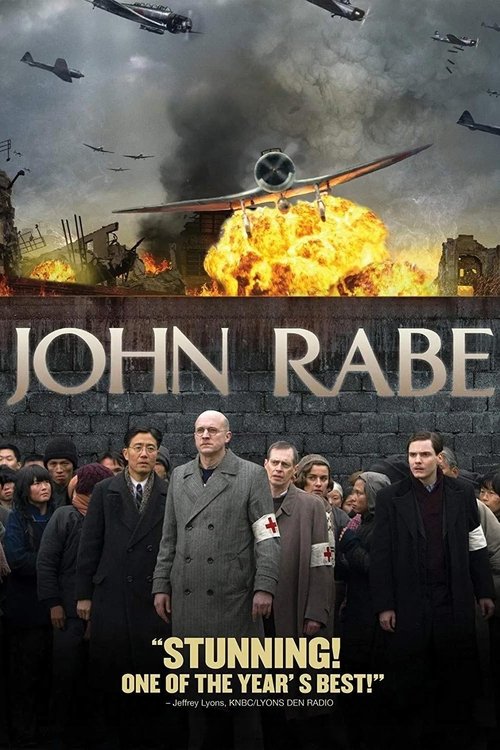
2009
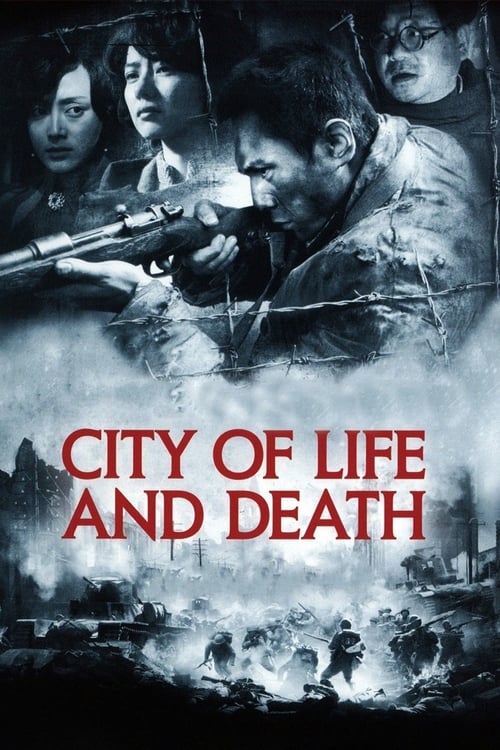
2009
No reviews yet. Be the first to share your thoughts on this movie!
Use the rating form above to leave a star rating and optional review.