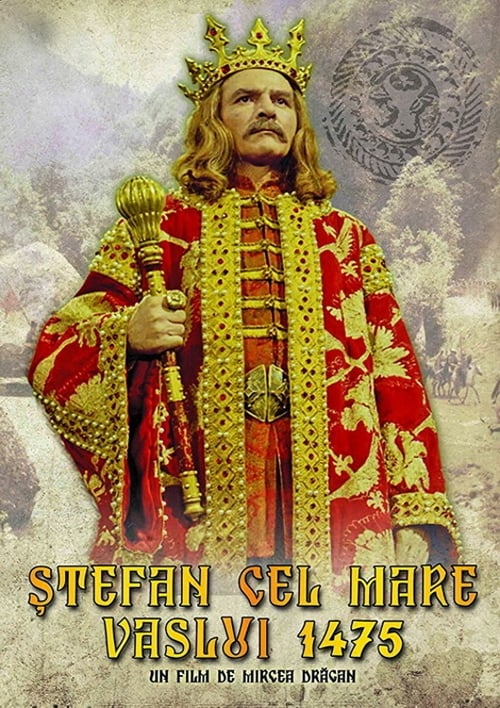
Stephen the Great: Vaslui 1475
1975
No user ratings available yet
Representation score: 1.1 out of 10

Representation Score
Minimal
1989
Director
Zdravko Šotra
Runtime
117 minutes
Average Rating
No ratings yetNew Showbiz Analysis
Battle of Kosovo is a traditionalist historical epic designed to reinforce national identity and established social hierarchies. It functions as a celebration of the 'Kosovo Myth,' prioritizing spiritual triumph and martyrdom over diverse perspectives. The film relies on a rigid binary of 'us vs. them,' focusing on the defense of a specific religious and ethnic heritage. This approach leaves little room for characters who reflect more than one aspect of diversity or the exploration of non-traditional identities. Ultimately, the work serves to uphold the sanctity of the feudal state and religious duty, offering a narrative that reinforces conventional social structures rather than challenging them.
Category Breakdown
The film is set in a strictly straight-centered medieval world where there are no depictions of LGBTQ+ identities or same-sex relationships.
Female characters are confined to domestic or emotional roles as wives and mothers. They play a supporting role in the emotional stakes of male protagonists rather than driving the plot themselves.
The narrative focuses on a binary conflict between Christian Serbian forces and Ottoman Muslim forces, emphasizing a homogeneous ethnic identity centered around the preservation of a specific cultural heritage.
The story is deeply rooted in Serbian Orthodox values and the sanctity of the feudal state. It celebrates the preservation of traditional institutions like monarchy and faith.
There is no focus on visible or invisible disabilities. Characters are portrayed as idealized archetypes of nobility and warrior strength, without exploring any disabilities or neurodivergence.
Present on Screen
Limited or Absent
Official Synopsis
In 1389, the Serbian prince Lazar Hrebeljanović refused to submit to the Turkish Sultan Murat, who was invading Serbia with a large army, in order to continue conquering Europe through it.
1975
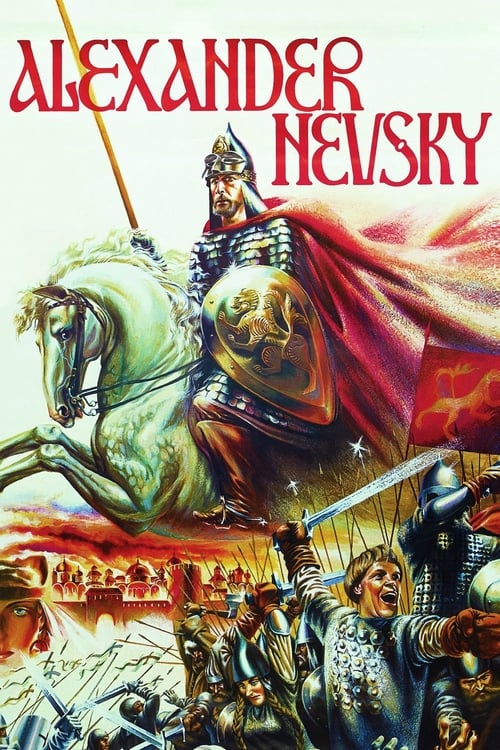
1938
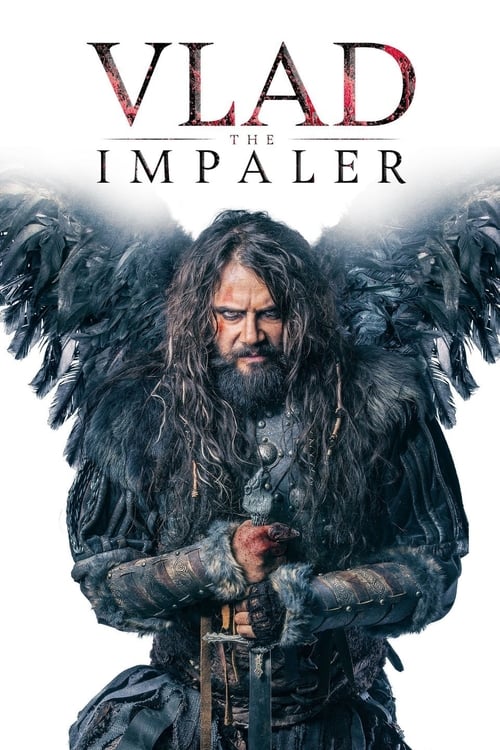
2018
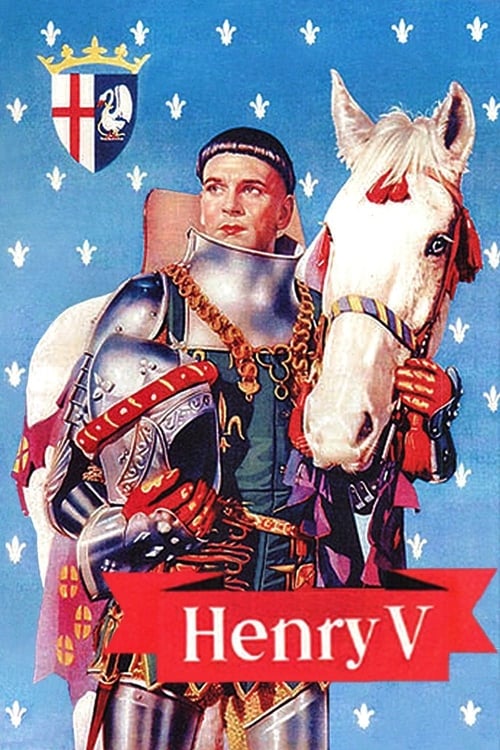
1944
1911
2012
1973
1956
No reviews yet. Be the first to share your thoughts on this movie!
Use the rating form above to leave a star rating and optional review.