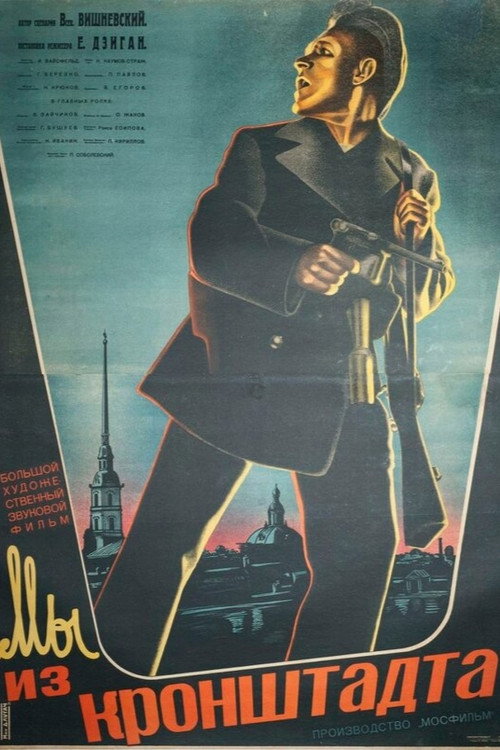
We Are from Kronstadt
1936
No user ratings available yet
Representation score: 3.3 out of 10
Representation Score
Limited
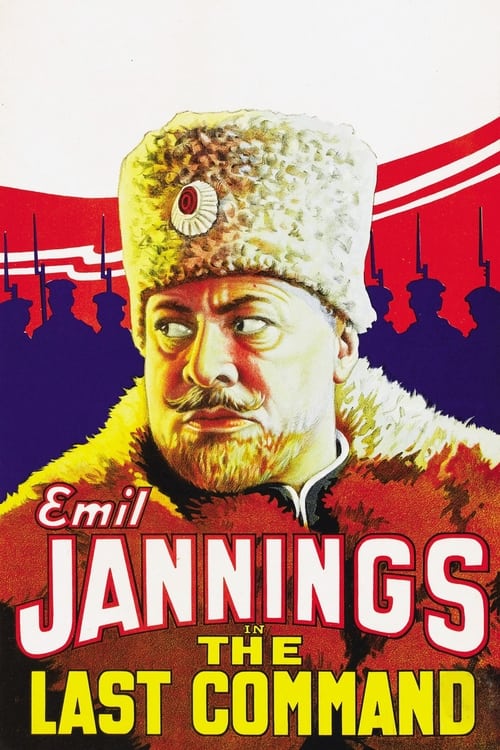
1928
Not RatedDirector
Josef von Sternberg
Runtime
88 minutes
Average Rating
No ratings yetNew Showbiz Analysis
The Last Command is a cinematic study of class collapse and the erosion of institutional power. It excels in its cultural critique by documenting the violent transition from an aristocratic hierarchy to a revolutionary state, challenging the permanence of social structures. However, the film lacks contemporary identity-based representation. It operates within a traditional patriarchal framework and maintains an ethnically homogeneous cast that reflects its specific historical setting. Ultimately, while the film provides a sophisticated look at systemic upheaval, it offers very little in the way of modern multi-layered diversity.
Category Breakdown
The film focuses on the masculine experiences of loss and tragic romantic interactions with female characters. There are no representations of LGBTQ+ identities or queer subtext.
The narrative centers on the collapse of male honor and military authority within a patriarchal structure. Female characters primarily serve as emotional anchors to the protagonist's descent.
The cast and setting are ethnically homogeneous, reflecting the specific historical context of the Russian aristocracy. It does not utilize diverse casting to challenge social constraints.
The film offers a complex depiction of the disintegration of the Russian Imperial military and aristocracy. It portrays the violent transition from a rigid hierarchy to a revolutionary state.
Alcoholism and poverty are used as narrative devices to illustrate the protagonist's loss of dignity. These elements lack ability to act and do not explore neurodivergence.
Present on Screen
Limited or Absent
Official Synopsis
A former Imperial Russian general and cousin of the Czar ends up in Hollywood as an extra in a movie directed by a former revolutionary.
1936
1955
1934

1932
1965
1928
1932
1925
No reviews yet. Be the first to share your thoughts on this movie!
Use the rating form above to leave a star rating and optional review.