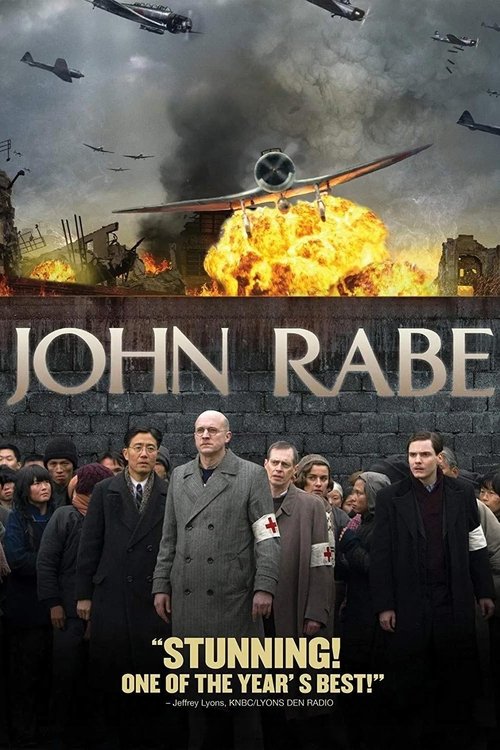
John Rabe
2009
No user ratings available yet
Representation score: 3.0 out of 10
Representation Score
Good
2009
RDirector
Lu Chuan
Runtime
132 minutes
Average Rating
No ratings yetNew Showbiz Analysis
Lu Chuan’s work serves as a visceral deconstruction of historical trauma. By shifting the focus from military glory to the systemic collapse of morality, the film provides a profound look at the Nanking Massacre through a post-colonial lens. The film centers the civilian experience and critiques the predatory nature of imperialist institutions. It avoids sanitized heroic clichés, opting instead for a raw examination of how state aggression destroys the social fabric. However, the narrative's focus on collective devastation means individual identities, such as LGBTQ+ characters or specific disability studies, are absent. The film prioritizes the scale of the atrocity over diverse individual character arcs.
Category Breakdown
The film does not include any LGBTQ+ characters or identities outside of heterosexual relationships. The narrative focuses on the civilian experience and the trauma of gendered violence during the siege.
The story emphasizes the vulnerability of women and critiques the predatory nature of military masculinity. It avoids traditional masculine leadership clichés, instead showing the military as a destructive force.
The film offers a post-colonial critique by highlighting the ability to act and suffering of the Chinese civilian population. It disrupts Western-centric wartime narratives by focusing on the occupied territories.
The narrative critiques imperialist expansion and the corruption of state power. It portrays the breakdown of social order and the failure of traditional authority to protect citizens.
Physical trauma and bodily devastation are used to illustrate the scale of the massacre. These elements lack detailed character studies of individuals with specific disabilities.
Present on Screen
Limited or Absent
Official Synopsis
In 1937, during the height of the Second Sino-Japanese War, the Imperial Japanese Army has just captured Nanjing, then-capital of the Republic of China. What followed was known as the Nanking Massacre, or the Rape of Nanking, a six week period wherein tens of thousands of Chinese soldiers and civilians were killed.
2009

2007
2011
2014
2010
2010
2005
2006
No reviews yet. Be the first to share your thoughts on this movie!
Use the rating form above to leave a star rating and optional review.