
The Flowers of War
2011
No user ratings available yet
Representation score: 3.9 out of 10
Representation Score
Limited
2009
Director
Florian Gallenberger
Runtime
134 minutes
Average Rating
No ratings yetNew Showbiz Analysis
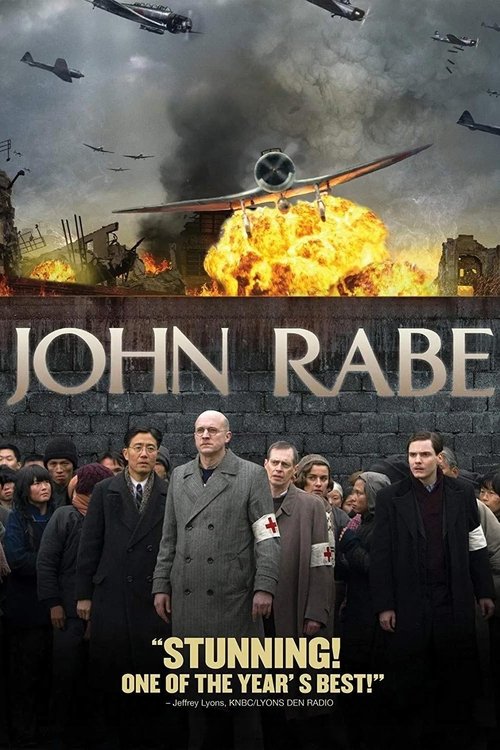
John Rabe is a sophisticated historical drama that avoids the clichés of simple heroism. Instead, it examines how an individual uses systemic leverage to protect a underrepresented population during the Nanking Massacre. The film's primary strength lies in its racial depth, offering a meaningful portrayal of the Chinese experience. This focus provides a necessary counter-perspective to standard Western-centric war stories. However, the film is limited by the period's social norms. It adheres to 1930s gender hierarchies and lacks any representation of LGBTQ+ identities or characters with disabilities.
Category Breakdown
The film contains no LGBTQ+ characters or narratives. The social landscape remains strictly aligned with the traditional structures of the 1930s.
Women are primarily depicted as domestic figures or subjects of external violence. The film reflects the era's constraints without challenging traditional gender roles or authority.
The film provides a nuanced, large-scale portrayal of the Chinese population. It disrupts Western-centric war narratives by centering the experience of a non-Western population under systemic oppression.
The narrative explores moral relativism and the deconstruction of institutional authority. It focuses on humanitarian perspectives over the loyalty demanded by occupying military and political structures.
No characters with visible or invisible disabilities are central to the narrative. There is no significant evidence of disability-related clichés in the film.
Present on Screen
Limited or Absent
Official Synopsis
A true-story account of a German businessman who saved more than 200,000 Chinese during the Nanjing massacre in 1937-38.
2011
2009
2015
2010
1993

1959
1990

2020
No reviews yet. Be the first to share your thoughts on this movie!
Use the rating form above to leave a star rating and optional review.