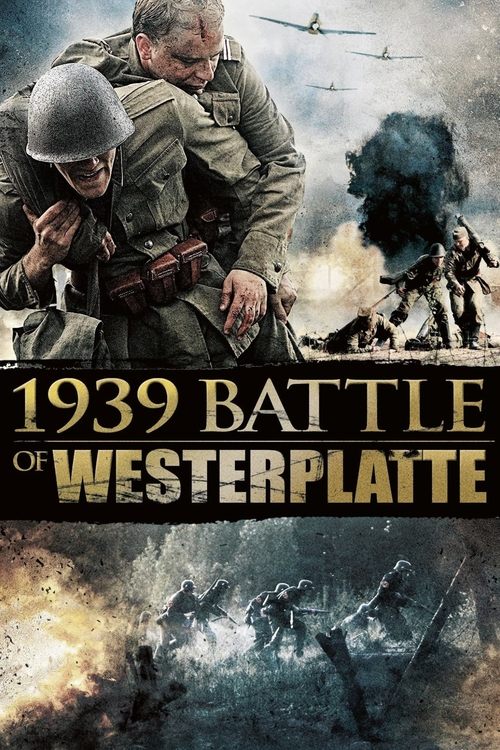
1939 Battle of Westerplatte
2013
No user ratings available yet
Representation score: 0.2 out of 10
Representation Score
Minimal
1938
Not RatedDirector
Sergei Eisenstein, Dmitriy Vasilev
Runtime
109 minutes
Average Rating
No ratings yetNew Showbiz Analysis
Eisenstein’s masterpiece functions as a powerful tool for national myth-making. It uses cinematic montage to consolidate a sense of collective identity and religious fervor against a foreign invader. While the film successfully challenges the perceived dominance of Western forces, it does so by reinforcing traditionalist and nationalist structures. The narrative prioritizes state-aligned duty over individual control. Ultimately, the work is designed to bolster existing hierarchies. It favors a binary of righteousness versus aggression, eschewing modern characters who reflect more than one aspect of diversity in favor of historical and religious cohesion.
Category Breakdown
The film adheres to traditional structures that assume everyone is straight or cisgender. A subplot involving Vasili and Gavrilo emphasizes competition for female companionship, reinforcing conventional romantic ideals.
Gender roles are strictly defined and traditional. Female characters are portrayed as symbols of the Motherland or as passive figures needing protection, while male leaders have almost exclusive control over the story.
The narrative uses a binary of 'Us vs. Them' to drive conflict. It relies on nationalist stereotypes and the 'othering' of Teutonic Knights, focusing on a monocultural perspective.
The story prioritizes the defense of the Russian Orthodox Church and the state. It reinforces traditional institutions like religion and monarchy to establish a centralized ethical framework.
There is no focus on neurodivergence or physical disabilities. Characters are defined by physical prowess and martial capability, offering no subversion of able-bodied archetypes.
Present on Screen
Limited or Absent
Official Synopsis
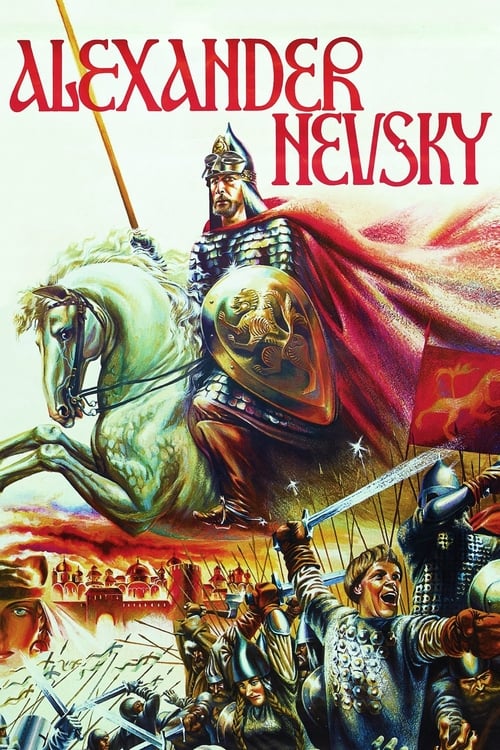
When German knights invade Russia, Prince Alexander Nevsky must rally his people to resist the formidable force. After the Teutonic soldiers take over an eastern Russian city, Alexander stages his stand at Novgorod, where a major battle is fought on the ice of frozen Lake Chudskoe. While Alexander leads his outnumbered troops, two of their number, Vasili and Gavrilo, begin a contest of bravery to win the hand of a local maiden.
2013

1937
1943
1944
1930
1925
1948

1939
No reviews yet. Be the first to share your thoughts on this movie!
Use the rating form above to leave a star rating and optional review.