
Anno Domini 1573
1975
No user ratings available yet
Representation score: 4.8 out of 10
Representation Score
Limited
1962
Director
Nagisa Ōshima
Runtime
101 minutes
Average Rating
No ratings yetNew Showbiz Analysis
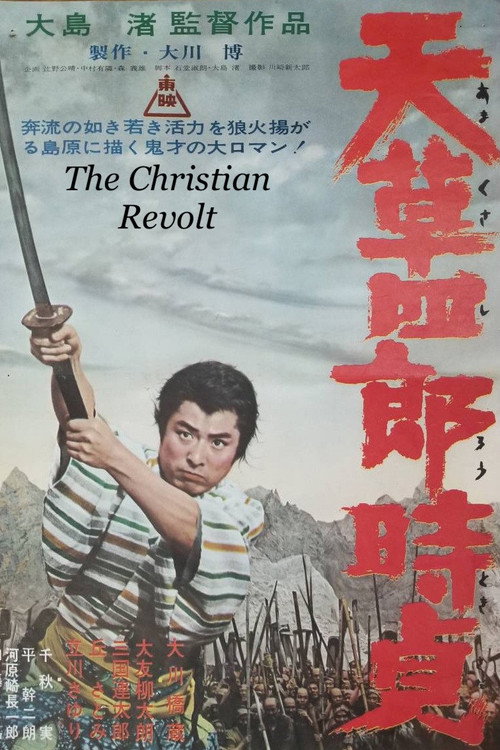
Nagisa Ōshima’s film uses a historical rebellion to deconstruct state authority and institutional dominance. It shifts away from traditional hero clichés to focus on the friction between underrepresented religious identities and the rigid Tokugawa Shogunate. The work excels in its critique of state authority and its profound exploration of established power structures. While the film lacks modern demographic variety in gender and LGBTQ+ representation, it provides a sophisticated examination of ideological resistance and oppression.
Category Breakdown
The film does not include any explicit LGBTQ+ characters or non-cisgender identities. It focuses entirely on the socio-political and religious conflicts of the Shimabara Rebellion.
Male leadership, particularly through the character of Shiro Amakusa, dominates the narrative. While the film highlights the empowerment of a submissive peasant class, it does not actively challenge traditional gender power dynamics.
The cast is ethnically uniform, reflecting 17th-century Japan. However, the film delves into cultural identity through the tension between indigenous populations and foreign Christian influences.
The film presents a nuanced view of religious conviction, using Christianity as a catalyst for liberation. It criticizes state authority by portraying the Shogunate as an oppressive, corrupting force.
There is no significant evidence of characters with visible or invisible disabilities serving as central plot devices or subjects of mockery.
Present on Screen
Limited or Absent
Official Synopsis
In Tokugawa-era (1637) Shimabara, oppressed peasant Christians revolt against the shogunate with the aid of charismatic Christian rebel leader Shiro Amakusa.
1975

1983

1956
2009

2011
2016

1948
1990
No reviews yet. Be the first to share your thoughts on this movie!
Use the rating form above to leave a star rating and optional review.