
The Auschwitz Report
2021
No user ratings available yet
Representation score: 5.3 out of 10
Representation Score
Minimal
2023
PG-13Director
Jonathan Glazer
Runtime
105 minutes
Average Rating
No ratings yetNew Showbiz Analysis
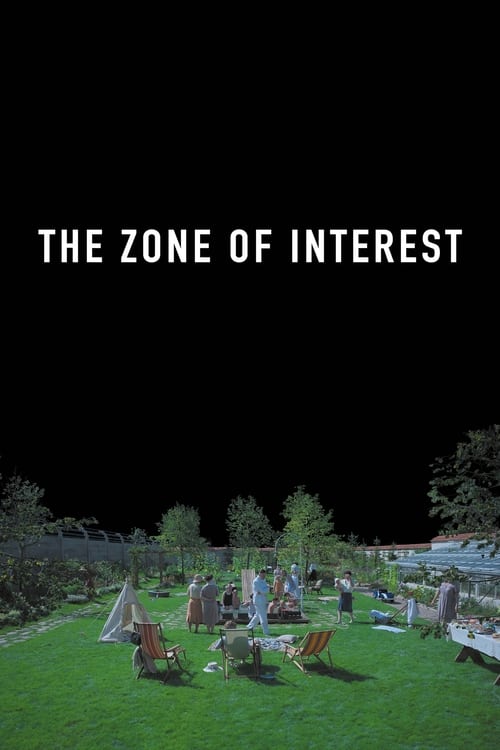
The film's low diversity scores come from its historical focus on the perpetrators of the Holocaust, leading to a cast that is almost entirely white and adheres to rigid social hierarchies. It lacks LGBTQ+ and disability representation entirely. However, the film uses its narrow focus to perform a sophisticated critique of power. By centering the domestic lives of the Höss family, it examines how the pursuit of socioeconomic mobility and material comfort can facilitate moral compartmentalization and systemic oppression. Ultimately, the work functions as a deconstruction of the 'banality of evil.' It uses a detached aesthetic to show how traditional Western social structures can be weaponized to support oppressive frameworks.
Category Breakdown
The film does not include any LGBTQ+ characters or explore non-straight identities. The social structure is strictly aligned with the heterosexual norms of the 1940s Nazi state.
The story portrays a strict gender hierarchy focused on domestic life. Hedwig Höss has limited influence, which comes from maintaining her husband's status in the state hierarchy.
The main cast is predominantly white and European, reflecting the historical context of the perpetrators. The film uses sounds and brief visual references to hint at the victims of systemic violence.
The film critically examines Western institutions and the pursuit of bourgeois stability. It contrasts the domestic ideal with the horrors happening just outside the garden wall.
There are no specific depictions of characters with disabilities used as central plot devices or for representation.
Present on Screen
Limited or Absent
Official Synopsis
The commandant of Auschwitz, Rudolf Höss, and his wife Hedwig, strive to build a dream life for their family in a house and garden next to the camp.
2021

2009

2020
2001

2017
1959
1988

2014
No reviews yet. Be the first to share your thoughts on this movie!
Use the rating form above to leave a star rating and optional review.