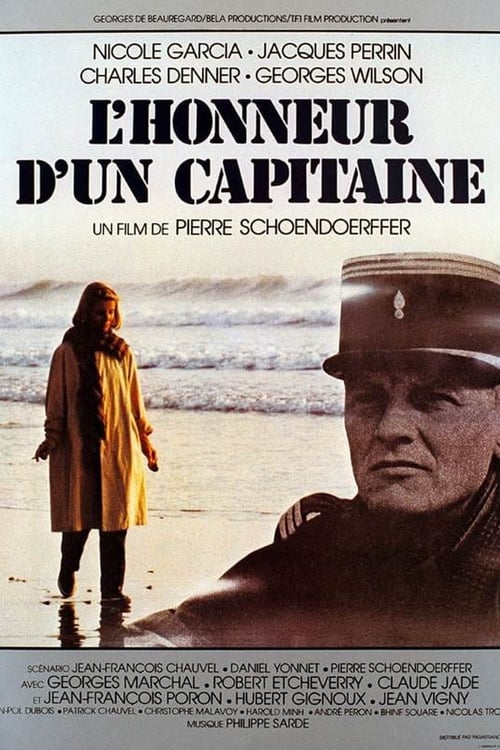
A Captain's Honor
1982
No user ratings available yet
Representation score: 1.8 out of 10

Representation Score
Minimal
1987
PGDirector
Jean-Pierre Denis
Runtime
87 minutes
Average Rating
No ratings yetNew Showbiz Analysis
Field of Honor is a traditional historical war drama set during the Franco-Prussian War. The narrative focuses on the individual journey of Pierre Naboulet, emphasizing masculine ability to act and the chaos of 19th-century conflict. The film reflects the social hierarchies and demographic realities of its era rather than attempting to deconstruct them. It functions as a character-driven period piece centered on duty and survival. Because the film adheres to conventional historical clichés, it lacks the multi-layered identity politics or deliberate disruption of social hierarchies found in more progressive modern cinema.
Category Breakdown
The film does not include any characters with LGBTQ+ identities or non-cisgender experiences. It follows a traditional dramatic structure typical of 1980s historical dramas.
The story centers on a male protagonist in a military environment. While a lost child introduces nurturing themes, there is little evidence of strong female characters.
The narrative likely depicts a homogeneous European cast reflecting 19th-century demographics. There is no indication of diverse ethnic representation within the Franco-Prussian War setting.
The film explores the devastation of war and civilian life. However, it focuses on individual destiny rather than explicit institutional or cultural critiques.
There is no mention of characters navigating physical, sensory, or neurodivergent challenges. The narrative does not highlight disability as a central theme.
Present on Screen
Limited or Absent
Official Synopsis
The surprising destiny of Pierre Naboulet, who became a soldier during the terrible war of 1870 that he crossed with a lost child.
1982

2010

2005

1979

1999
2009

2008

1998
No reviews yet. Be the first to share your thoughts on this movie!
Use the rating form above to leave a star rating and optional review.