A Japanese Tragedy
1953
No user ratings available yet
Diversity score: 4.9 out of 10
1963
Director
Kim Ki-young
Runtime
110 minutes
Average Rating
No ratings yetSynopsis
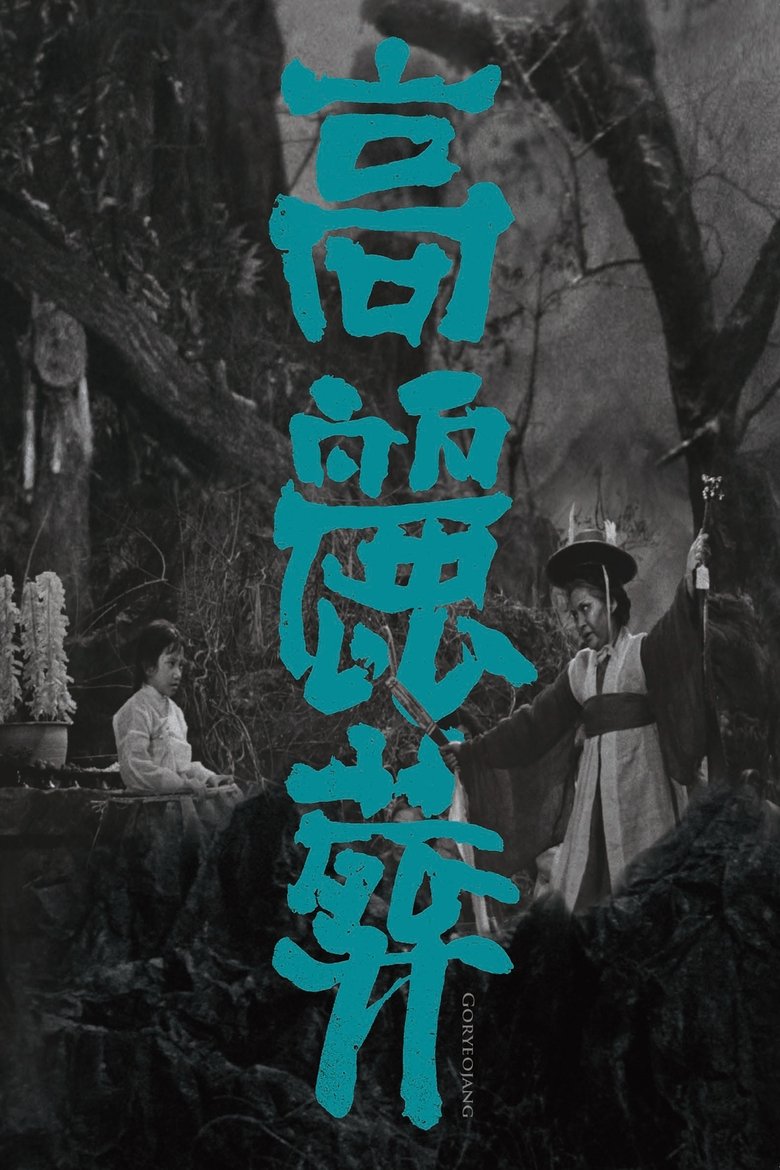
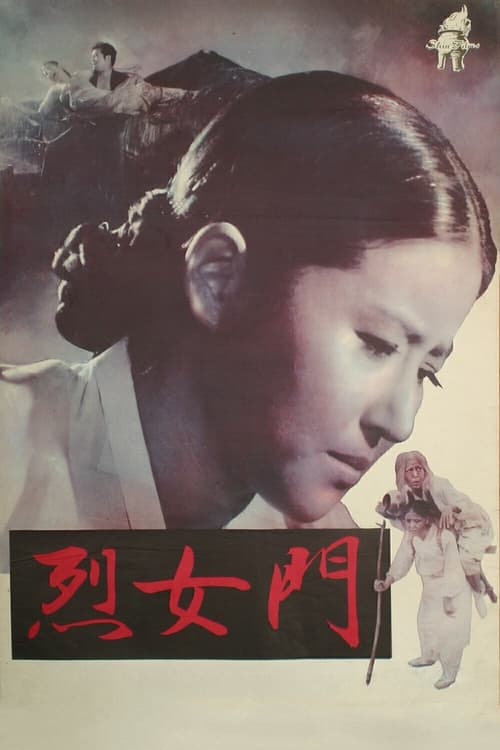
Prior to the adoption of Confucianism, it was the tradition to abandon one's parents on a mountainside if they were over 70 years of age. In the ancient kingdom of Goryeo, now modern Korea, a nobleman defies this tradition when he refuses to leave his mother to starve to death.
Overall Score
Fair
Category Breakdown
LGBTQ+ Representation
The film lacks any evidence of LGBTQ+ characters or narratives. It focuses strictly on the vertical relationship between parent and child within a traditional framework.
Gender Representation
The film likely subverts traditional domestic hierarchies through its claustrophobic settings. It portrays domestic spaces as sites of psychological combat rather than stable patriarchal orders.
Racial & Ethnic Diversity
The production features a Korean cast and setting, providing a historical perspective on Korean identity. It functions as a culturally specific narrative rather than a multi-ethnic one.
Religious & Cultural Diversity
The narrative critiques traditional institutions by centering on a nobleman who defies the practice of abandoning the elderly. This challenges established social hierarchies and ancestral mandates.
Disability Representation
There is no documented evidence of characters with visible or invisible disabilities. No such characters are utilized as central plot devices or subjects of mockery.
Strengths
Areas for Improvement
AI Analysis
Kim Ki-young’s drama succeeds as a psychological study of individual agency versus systemic tradition. By centering the plot on a nobleman's refusal to abandon his mother, the film interrogates the morality of rigid, inherited social structures. While the film is culturally specific to the Goryeo era, it uses this setting to deconstruct the authority of tradition. It moves beyond simple historical reenactment to explore the tension between ancient mandates and personal empathy. However, the film's narrow focus on a singular cultural context and the absence of diverse identities or non-heteronormative narratives limit its overall diversity score.
1953

2012
1986
1989
1960

2005
1959
1962

1962
2001
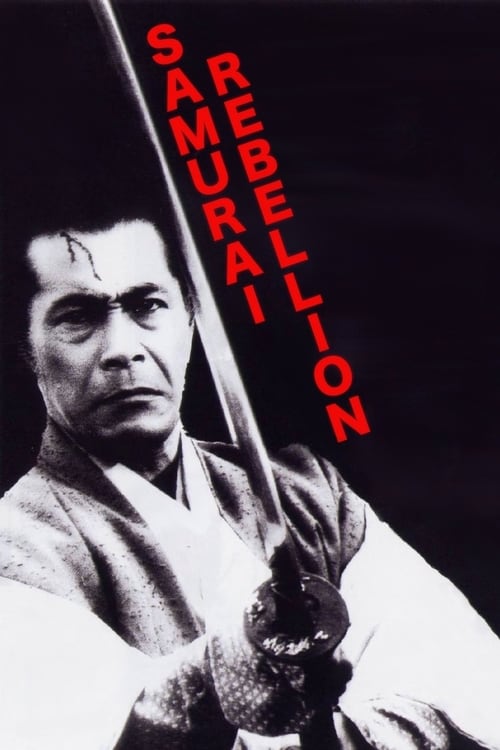
1967

2003
No reviews yet. Be the first to share your thoughts on this movie!
Use the rating form above to leave a star rating and optional review.