Sopyonje
1993
No user ratings available yet
Representation score: 6.9 out of 10
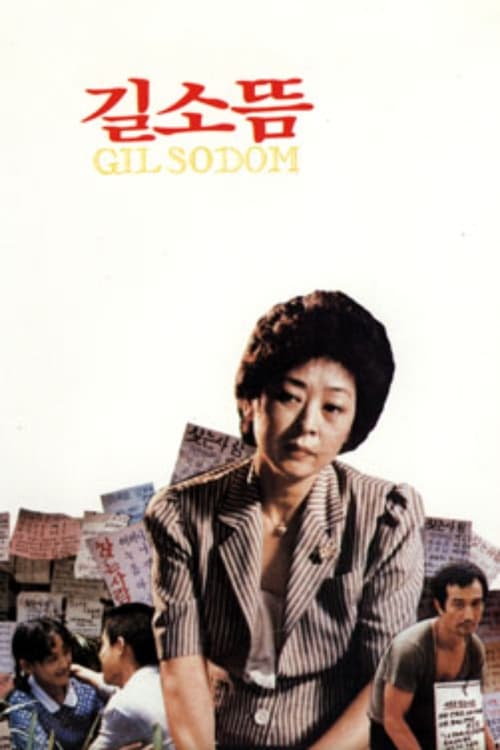
Representation Score
Limited
1986
Director
Im Kwon-taek
Runtime
102 minutes
Average Rating
No ratings yetNew Showbiz Analysis
Gilsodom offers a culturally specific exploration of historical trauma, centering on the personal devastation caused by the Korean War. By focusing on a mother's search for her lost son, the film prioritizes emotional and domestic consequences over traditional military narratives. The film succeeds in providing a non-Western perspective that avoids external clichés, instead delving into the internal social fractures of South Korean society. However, the narrative lacks representation for LGBTQ+ identities or disabilities, leaving those dimensions of diversity unaddressed within the documented story.
Category Breakdown
The film focuses on a mother's longing and the search for kinship. It does not include any non-straight or non-cisgender identities.
A woman is the main character, providing significant emotional impact. This shifts the focus from combat to the domestic consequences of war.
The film centers on non-Western experiences and historical trauma. It avoids a Western perspective by focusing on the internal social landscapes of Korea.
The narrative explores how political forces break down the family unit. It highlights how systemic conflicts make traditional social institutions fragile and corruptible.
The available narrative data provides no information about the portrayal of physical or neurodivergent disabilities.
Present on Screen
Limited or Absent
Official Synopsis
A middle-aged woman in Busan searches for the son she lost in Gilsodom during the Korean War.
1993
2001
1983
2014
2003
2007
1981
1971
No reviews yet. Be the first to share your thoughts on this movie!
Use the rating form above to leave a star rating and optional review.