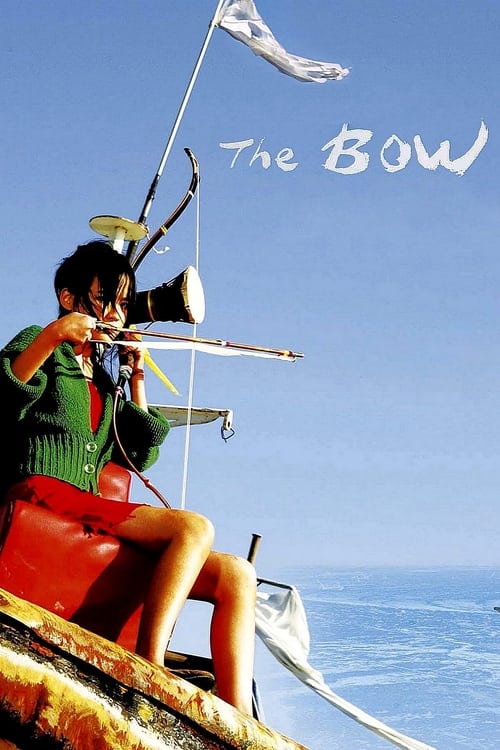
The Bow
2005
No user ratings available yet
Representation score: 4.2 out of 10

Representation Score
Limited
2003
RDirector
Kim Ki-duk
Runtime
103 minutes
Average Rating
No ratings yetNew Showbiz Analysis
The film is a minimalist study of spiritual cycles that prioritizes philosophical depth over demographic variety. It succeeds in offering a profound non-Western worldview, challenging traditional Western moral structures through its focus on karma and asceticism. However, the narrative remains narrow in its social representation. The focus on a male monastic journey results in a lack of female independence and an absence of LGBTQ+ identities. The setting is culturally specific and homogeneous, providing authenticity but lacking multi-layered breadth. Ultimately, the work functions as a specialized cultural exploration rather than a diverse social tapestry. It trades demographic breadth for a deep, singular immersion into Buddhist philosophy.
Category Breakdown
The film does not include any explicit LGBTQ+ identities or non-cisgender expressions. The story revolves around a straight-centered framework focusing on spiritual discipline and human desires.
The perspective is predominantly male-focused, centered on a monk's spiritual journey. Female characters mainly serve as catalysts for male conflicts and do not have independent roles.
The cast and setting are culturally uniform and Korean. While the film is authentic to its spiritual context, it does not incorporate multicultural or multi-layered casting.
The film excels by emphasizing Buddhist concepts of karma and cyclical existence. It effectively challenges Western linear morality through a non-Western philosophical lens.
There are no prominent characters with visible or invisible disabilities. The story centers on universal human conditions and the process of spiritual growth.
Present on Screen
Limited or Absent
Official Synopsis
An isolated lake, where an old monk lives in a small floating temple. The monk has a young boy living with him, learning to become a monk. We watch as seasons and years pass by.
2005

2010
1981
2005
1989
2014
2021
1971
No reviews yet. Be the first to share your thoughts on this movie!
Use the rating form above to leave a star rating and optional review.