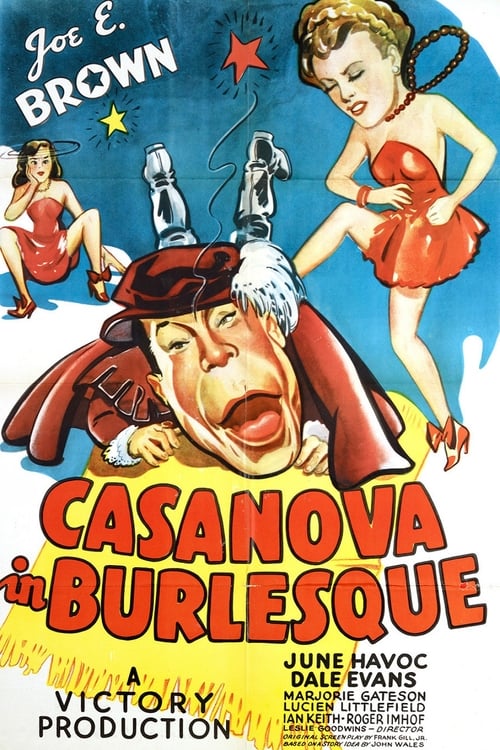
Casanova in Burlesque
1944
No user ratings available yet
Representation score: 0.6 out of 10
Representation Score
Minimal
1955
ApprovedDirector
Nunnally Johnson
Runtime
89 minutes
Average Rating
No ratings yetNew Showbiz Analysis
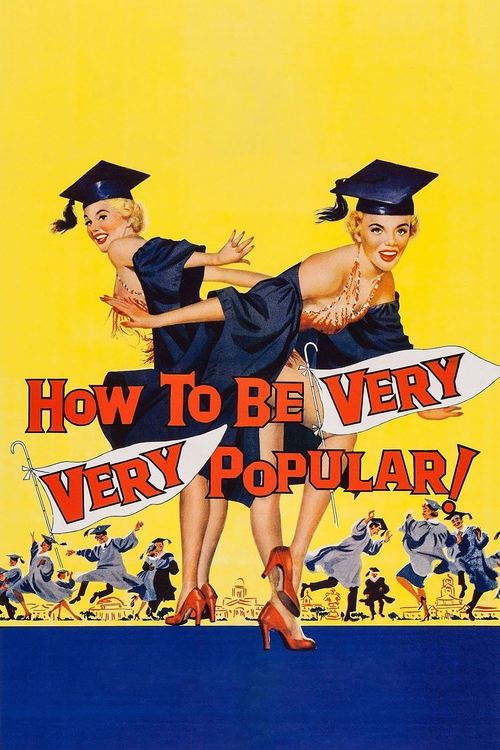
How to Be Very, Very Popular adheres to the conventions of mid-1950s studio cinema. It emphasizes traditional character types and social structures, offering little in the way of critical examination or multi-layered complexity. While the film highlights women through its central female leads, the narrative remains tied to the cultural norms of the era. The comedic tension often arises from characters deviating from social norms rather than actively challenging them. Overall, the production reflects the homogeneous and conservative social frameworks of its time, lacking representation for diverse racial, ethnic, or LGBTQ+ identities.
Category Breakdown
The film does not include any characters with non-straight sexual orientations or non-cisgender gender identities. The plot revolves around situational comedy rather than exploring LGBTQ+ themes.
The film features prominent female leads who provide visibility for women in key roles. However, the comedy often depends on traditional gender roles and social boundaries rather than challenging patriarchal structures.
The cast and setting reflect a homogeneous social environment typical of the 1950s. There is no indication of diverse racial or ethnic representation.
The story unfolds within the context of mid-20th century American social institutions such as college fraternities. It reinforces existing social norms through a traditional 'fish out of water' scenario.
There are no characters with visible or invisible disabilities mentioned in the primary descriptions or plot summary.
Present on Screen
Limited or Absent
Official Synopsis
Two strippers on the run hide out in a college fraternity. Director Nunnally Johnson's 1955 musical comedy stars Betty Grable, Sheree North, Robert Cummings, Charles Coburn, Tommy Noonan, Orson Bean, Fred Clark, Alice Pearce, Rhys Williams, Willard Waterman, Leslie Parrish and Jesslyn Fax.
1944
1941
1953
1954
1945
1949
1964
1966
No reviews yet. Be the first to share your thoughts on this movie!
Use the rating form above to leave a star rating and optional review.