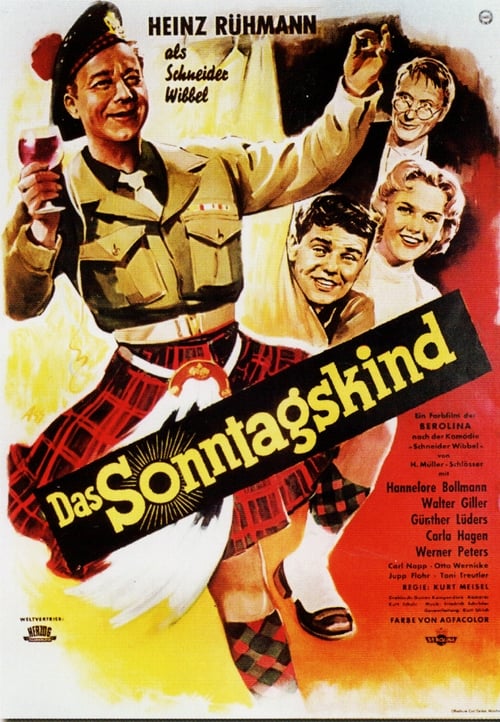
Das Sonntagskind
1956
No user ratings available yet
Representation score: 2.7 out of 10
Representation Score
Minimal
1956
Director
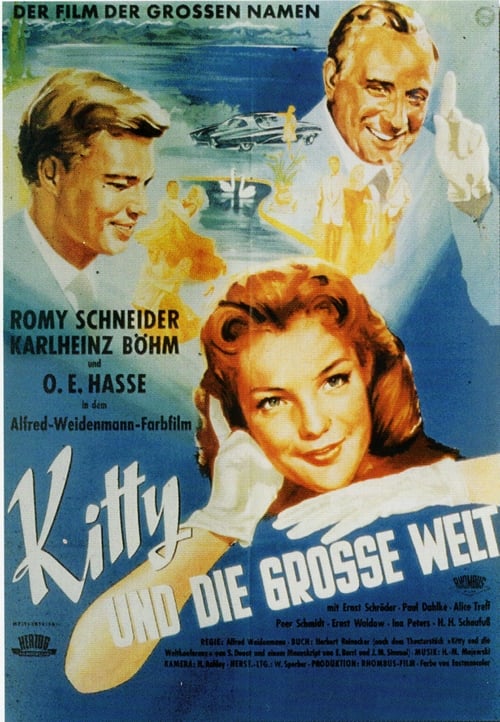
Alfred Weidenmann
Runtime
94 minutes
Average Rating
No ratings yetNew Showbiz Analysis
Kitty and the Great Big World is a classic example of mid-century European cinema. It follows traditional storytelling and family-oriented values, emphasizing conventional social structures over disruptive narratives. The film offers a narrow scope of representation, reflecting the demographic homogeneity of 1950s Germany. While the female protagonist provides a central point of influence, the film does not aim to break down masculine authority or explore multiple aspects of identity. Ultimately, the movie serves as a window into a specific era of social comedy. It reinforces the established hierarchies of its time rather than critiquing the political or social landscape.
Category Breakdown
The film does not include any characters with LGBTQ+ identities. It stays within the strict social norms of the 1950s, where there are no non-straight narratives.
The story focuses on a young female protagonist, giving her a central role. However, this is presented through traditional childhood innocence rather than challenging gender norms.
The production reflects the homogeneous demographics of its time. There is no indication of a multi-ethnic cast or actors from diverse backgrounds.
The story likely upholds traditional social institutions such as the family and the state. It functions as a typical social comedy without questioning the cultural status quo.
There are no characters with visible or invisible disabilities mentioned in the film. The narrative focuses on the protagonist's interactions with the broader world.
Present on Screen
Limited or Absent
Official Synopsis
The young Kitty is drawn into the world of international politics by chance.
1956

1953
1964

1966
1957
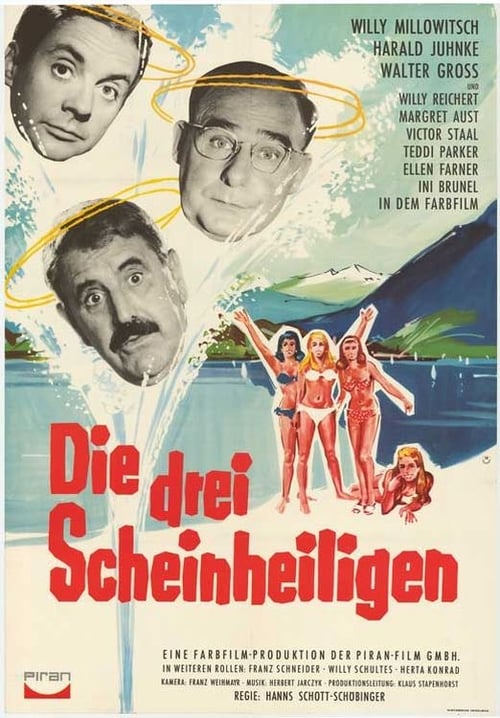
1964
1964
1953
No reviews yet. Be the first to share your thoughts on this movie!
Use the rating form above to leave a star rating and optional review.