Blondie on a Budget
1940
No user ratings available yet
Diversity score: 2.4 out of 10
1941
GDirector
Frank R. Strayer, Robert Sparks
Runtime
72 minutes
Average Rating
No ratings yetSynopsis
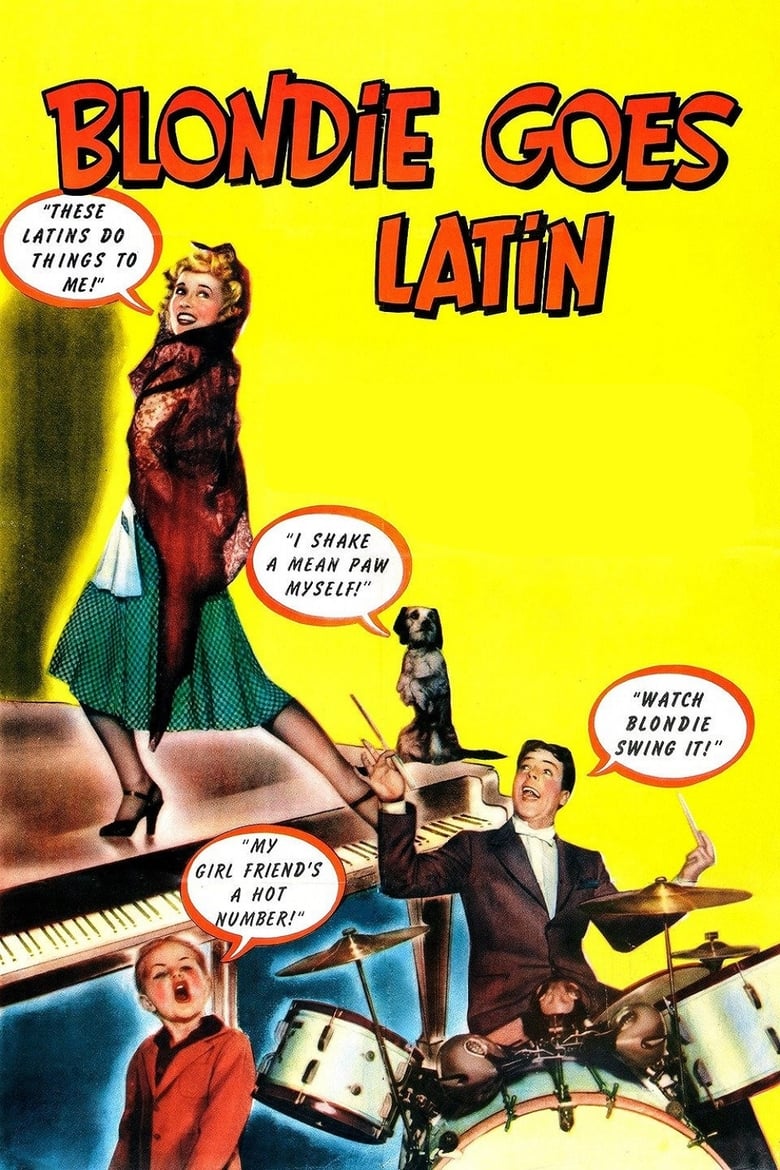
Mr. Dithers invites the Bumsteads on a South American cruise. Somehow Dagwood winds up as the female drummer in the ship's band, while Penny Singleton gets to show off her Broadway background in some lively musical numbers.
Overall Score
Limited
Category Breakdown
LGBTQ+ Representation
The film lacks LGBTQ+ characters or themes. The comedy focuses on situational absurdity rather than exploring non-heteronormative identities.
Gender Representation
Dagwood’s role as a female drummer provides a brief disruption of masculine presentation. However, this gender role reversal serves as a farcical device that reinforces traditional binaries.
Racial & Ethnic Diversity
While set on a South American cruise, the film lacks evidence of a non-white cast. The locale appears to serve as a mere aesthetic backdrop for Western protagonists.
Religious & Cultural Diversity
The story emphasizes Western middle-class leisure and social structures. It reinforces established economic hierarchies through the employer-led cruise setting.
Disability Representation
There are no visible or invisible disabilities portrayed in this narrative.
Strengths
Areas for Improvement
AI Analysis
Blondie Goes Latin is a product of the 1940s studio system, reflecting the conventional social norms of its era. While it offers a momentary comedic twist through gendered role reversal, it lacks depth in representation. The film uses international settings as aesthetic scenery rather than providing meaningful agency to local populations. This approach prioritizes Western perspectives and middle-class social hierarchies over cultural immersion. Ultimately, the film functions as a traditional farce. It relies on situational incongruity rather than challenging the social or identity-based structures of the time.
1940
1948

1940
1956
1938
1953

1939

1934
1940
1939
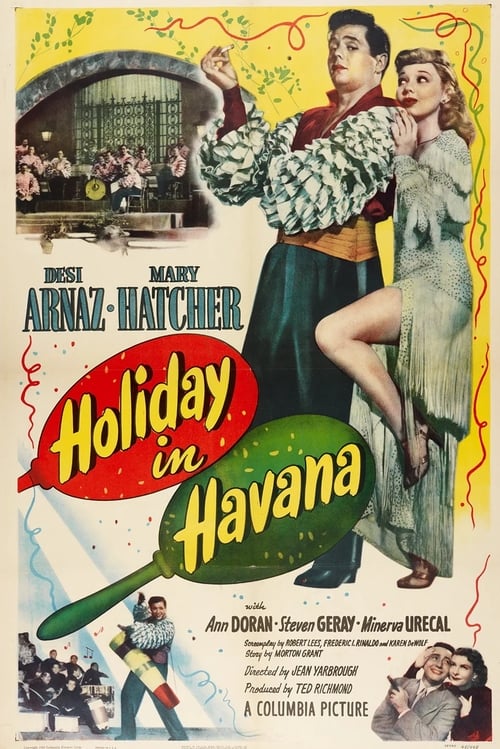
1949

1930
No reviews yet. Be the first to share your thoughts on this movie!
Use the rating form above to leave a star rating and optional review.