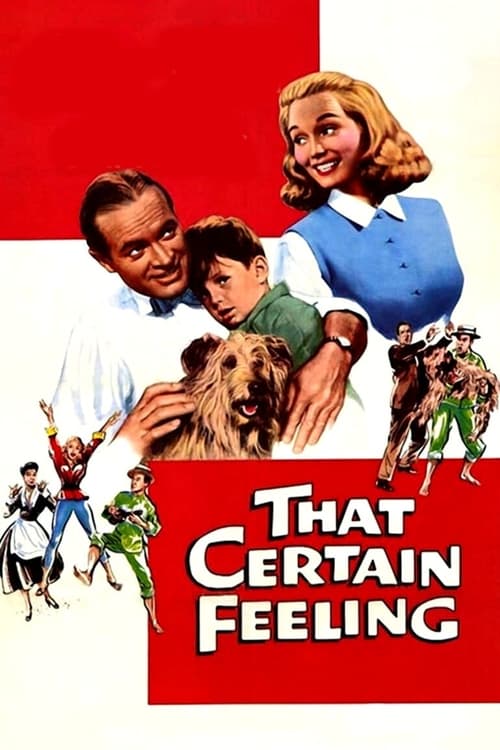
That Certain Feeling
1956
No user ratings available yet
Representation score: 0.4 out of 10
Representation Score
Minimal
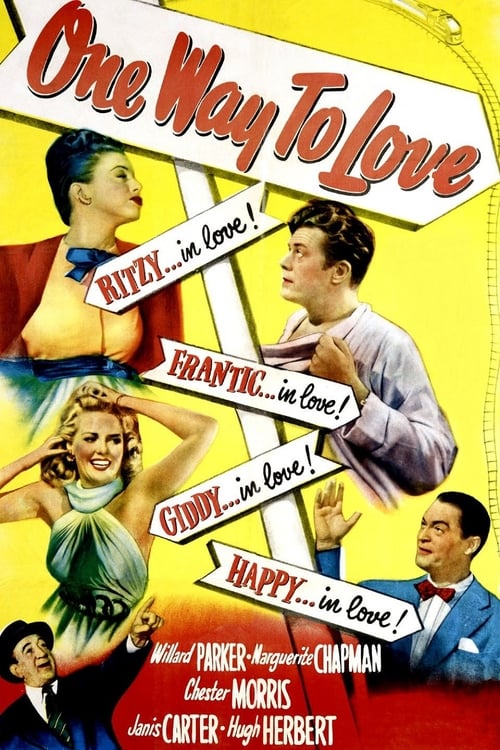
1946
ApprovedDirector
Ray Enright
Runtime
83 minutes
Average Rating
No ratings yetNew Showbiz Analysis
One Way to Love is a product of the mid-century Hollywood studio system, prioritizing conventional social and professional hierarchies. The narrative focuses on marriage and economic stability, offering little room for multi-layered complexity. The film upholds established norms rather than subverting them. Its structure relies on traditional romantic trajectories and capitalist pursuits, typical of the era's commercial expectations. Ultimately, the work functions as a standard genre piece that reflects the homogeneous social landscape of 1946.
Category Breakdown
The film does not include any characters with LGBTQ+ identities. The story revolves around a bride-to-be, emphasizing a traditional romantic storyline.
The story adheres to conventional mid-century gender roles. Professional changes are driven by family responsibilities, reinforcing patriarchal structures and traditional domesticity.
The production likely reflects the homogeneous casting practices of 1946. It seems to follow white-centric narratives and middle-class social norms.
The narrative is rooted in capitalist structures and professional stability. It aligns with traditional Western values concerning family and social order.
There is no information about the inclusion or portrayal of characters with physical or neurodivergent disabilities.
Present on Screen
Limited or Absent
Official Synopsis
A Chicago team of radio scriptwriters must split up when he takes a job with his bride-to-be's father, and the other must write commercial jingles.
1956
1940
1958
1942
1946
1944
1940
1947
No reviews yet. Be the first to share your thoughts on this movie!
Use the rating form above to leave a star rating and optional review.