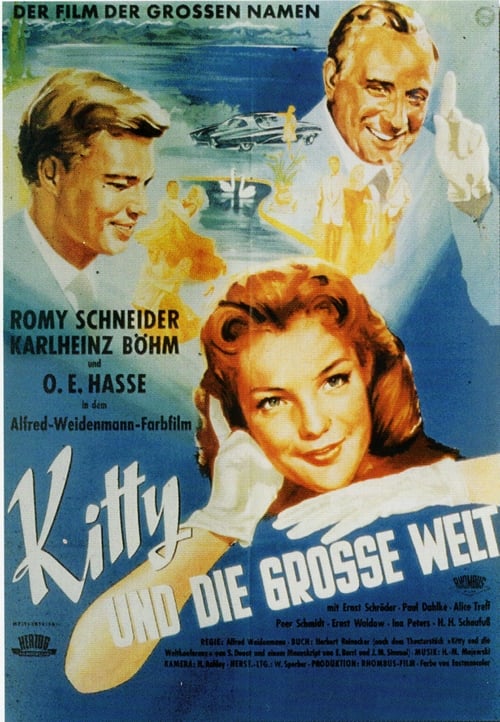
Kitty and the Great Big World
1956
No user ratings available yet
Representation score: 1.6 out of 10
Representation Score
Minimal
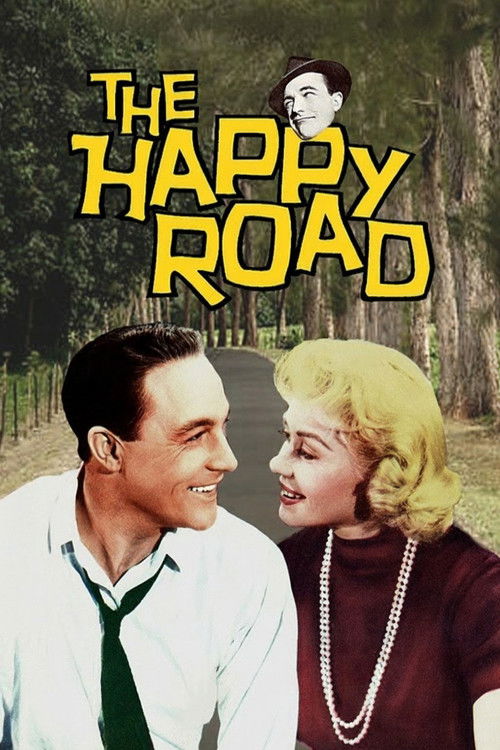
1957
ApprovedDirector
Gene Kelly
Runtime
100 minutes
Average Rating
No ratings yetNew Showbiz Analysis
The Happy Road functions as a conventional mid-century comedy that prioritizes the preservation of the nuclear family unit. The narrative structure focuses on the pursuit of runaway children, reinforcing traditional parental authority and social stability rather than challenging them. Demographically, the film reflects the era's standard Hollywood approach to European settings. It lacks intentionality in representing diverse racial or ethnic groups, instead centering on a likely homogeneous, white cast within a Western European landscape. Ultimately, the film aligns with the social and cinematic hierarchies of 1957. It serves as a traditional comedic piece that upholds established moral and domestic frameworks rather than disrupting them.
Category Breakdown
The film does not depict any LGBTQ+ identities or same-sex intimacy. It follows the strict assumption that everyone is straight and cisgender, typical of 1957 studio productions.
The plot centers on frantic parents pursuing runaway children, reinforcing traditional gender roles and domestic stability without challenging hierarchies.
Set between Switzerland and Paris, the film reflects the homogeneous demographic standards of the era. It likely centers on white protagonists within a Western European context.
The narrative prioritizes the restoration of order through traditional institutions like family and education. It emphasizes social conformity rather than critiquing established cultural norms.
There are no visible or invisible disabilities central to the character arcs or the plot progression.
Present on Screen
Limited or Absent
Official Synopsis
Two children run away from a Swiss boarding school and set out for Paris, with their frantic parents in hot pursuit.
1956
1956
1946
1990
1958
1971
1963
1954
No reviews yet. Be the first to share your thoughts on this movie!
Use the rating form above to leave a star rating and optional review.