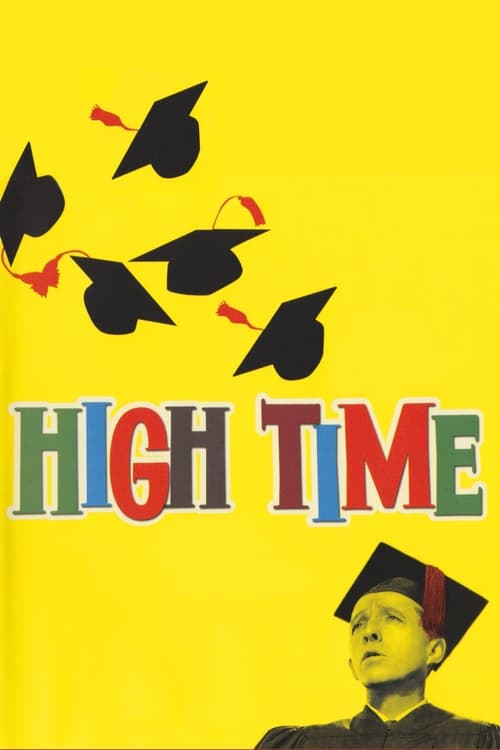
High Time
1960
No user ratings available yet
Representation score: 3.4 out of 10
Representation Score
Minimal
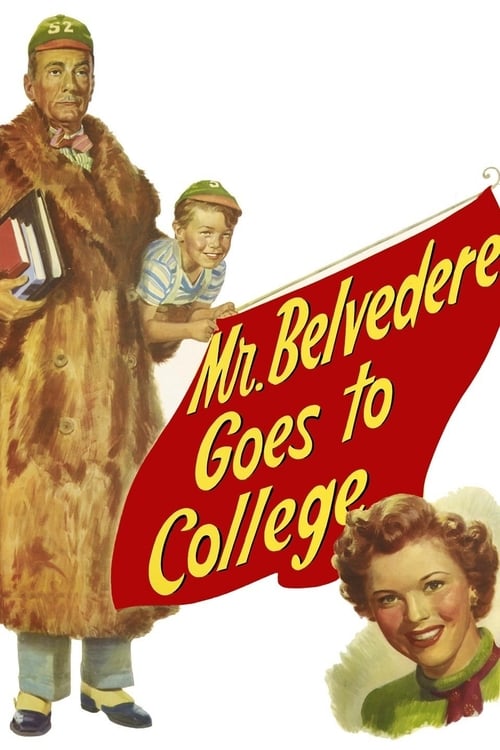
1949
ApprovedDirector
Elliott Nugent
Runtime
83 minutes
Average Rating
No ratings yetNew Showbiz Analysis
Mr. Belvedere Goes to College is a conventional mid-century comedy that aligns with the social norms of its time. The film focuses on traditional family structures and a homogeneous demographic, adhering closely to post-war societal standards. By emphasizing male-driven narratives and reinforcing patriarchal roles, the film supports the status quo of its era. It does not challenge or question the established social order. Ultimately, the film lacks the intention to represent diverse identities, instead presenting a narrow, traditional perspective on domestic life and education.
Category Breakdown
The film operates within a framework that assumes everyone is straight and cisgender. There are no representations of LGBTQ+ identities or same-sex relationships.
The narrative centers around male-driven stories and paternal bonds. It upholds traditional mid-century gender roles without questioning the dominance of men in leadership positions.
The film features a predominantly white cast, reflecting the typical homogeneity of 1940s American comedies. It does not include characters from diverse racial backgrounds.
The story highlights traditional Western social structures and the importance of the nuclear family. It emphasizes social conformity and the value of established educational institutions.
There are no characters with visible or invisible disabilities. Such characters are not used as central plot devices or given significant roles.
Present on Screen
Limited or Absent
Official Synopsis
A middle-aged genius goes to college for the first time.
1960
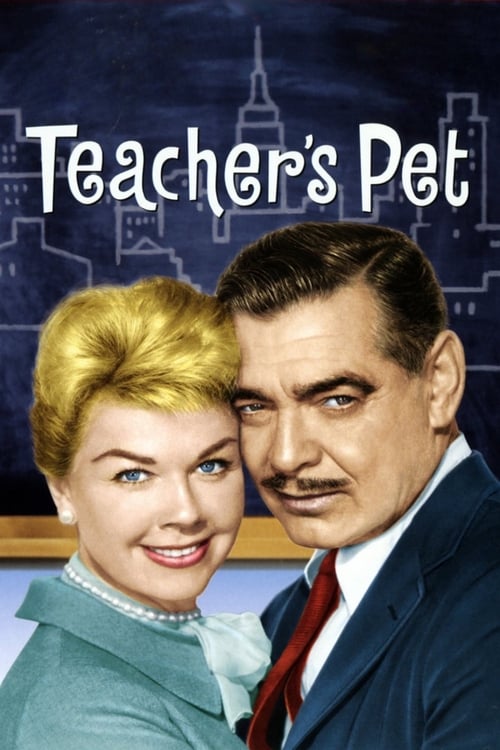
1958
1936
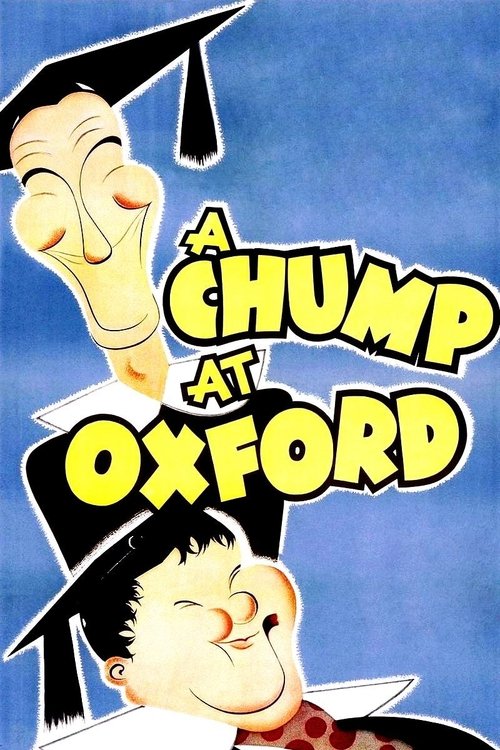
1940

1951

1953
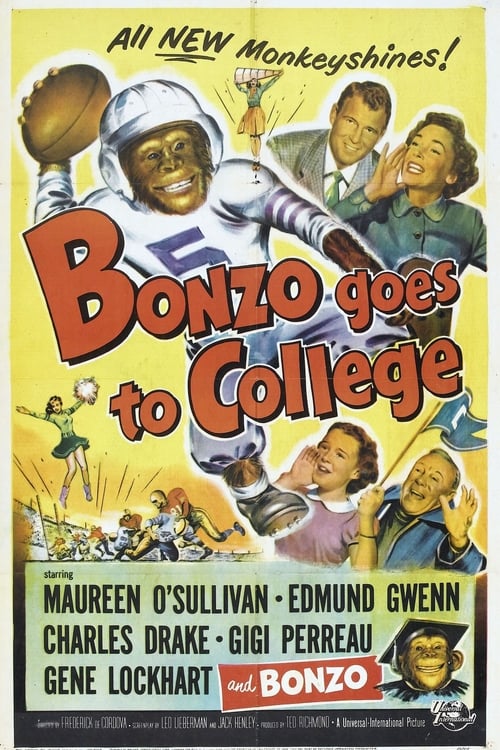
1952
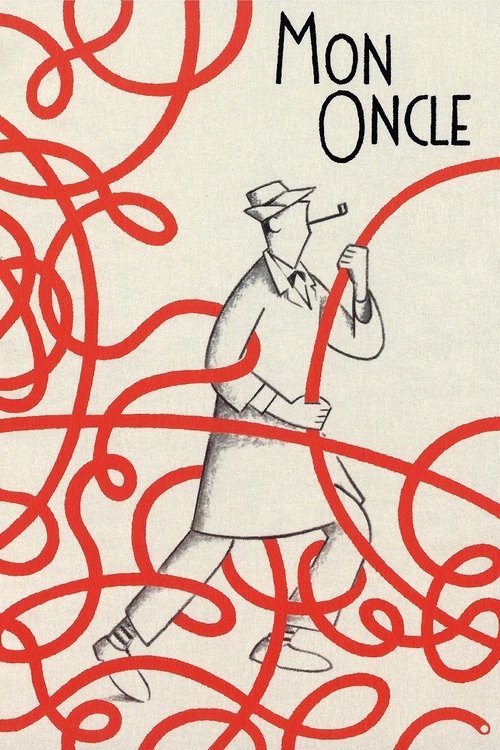
1958
No reviews yet. Be the first to share your thoughts on this movie!
Use the rating form above to leave a star rating and optional review.