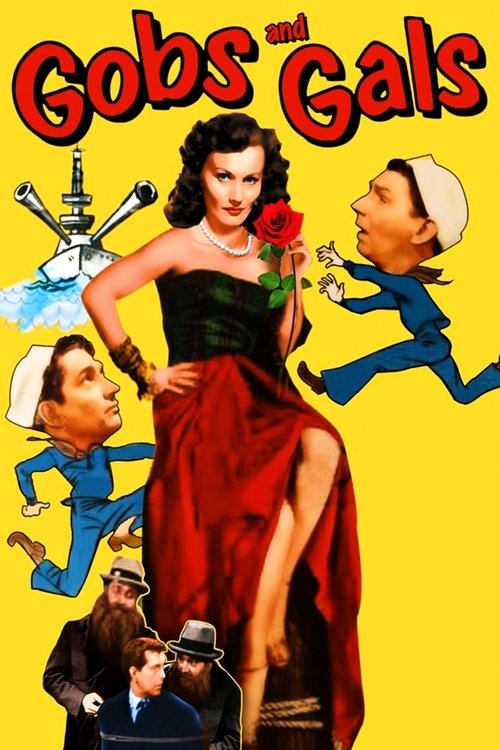
Hooked and Rooked
1952
No user ratings available yet
Representation score: 0.5 out of 10
Representation Score
Minimal
1952
ApprovedDirector
R.G. Springsteen
Runtime
86 minutes
Average Rating
No ratings yetNew Showbiz Analysis
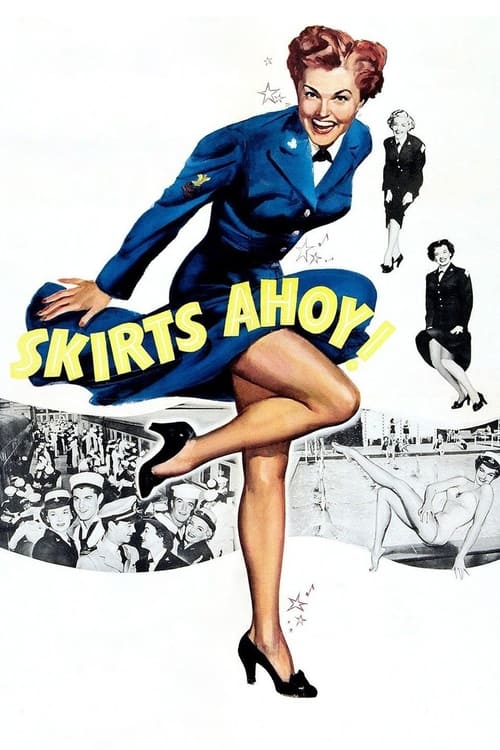
Gobs and Gals is a product of the 1950s studio system, emphasizing traditional storytelling and social hierarchies. The narrative upholds mid-century norms without challenging them, leading to a lack of diverse representation. The film's focus on a male-dominated maritime setting restricts the roles of female characters. Rather than developing complex characters, the plot relies on gender stereotypes common to the era's B-movies. Overall, the production lacks visible diversity in race, sexual orientation, or disability, reflecting the era's standard cinematic conventions and homogeneous casting practices.
Category Breakdown
The film follows the heterosexual norms of the 1950s, showing no same-sex relationships or characters who identify outside the binary gender roles.
A woman holds a leadership position, but the story revolves around male characters. She seems to exist mainly as a love interest for the sailors.
The film probably mirrors the limited diversity of the 1950s Hollywood system. The cast appears to be entirely white and Anglo-Saxon.
The story fits within the typical post-war social structures. It highlights conventional institutions and romantic pursuits without questioning these norms.
There is no mention of characters with physical or mental disabilities in the film.
Present on Screen
Limited or Absent
Official Synopsis
Two sailors (Robert Hutton) mail love letters from a remote weather station, enclosing photos of their chief (Cathy Downs).
1952
1936
1953

1932
1944
1952
1947
1952
No reviews yet. Be the first to share your thoughts on this movie!
Use the rating form above to leave a star rating and optional review.