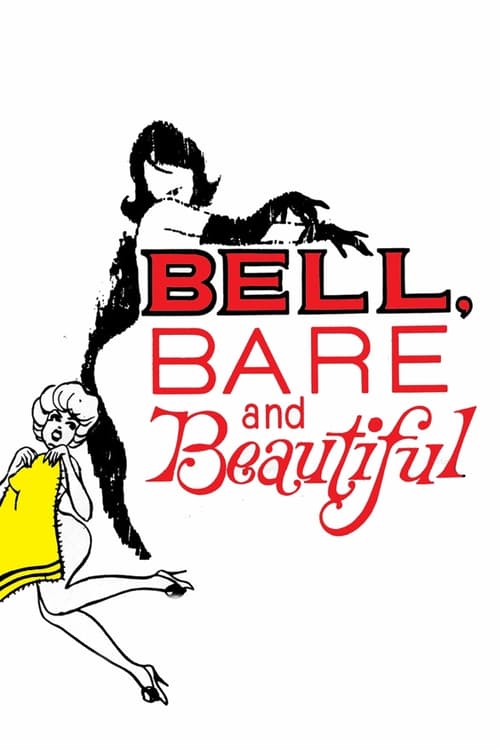
Bell, Bare and Beautiful
1963
No user ratings available yet
Representation score: 2.0 out of 10
Representation Score
Minimal
1963
UnratedDirector
Herschell Gordon Lewis
Runtime
63 minutes
Average Rating
No ratings yetNew Showbiz Analysis
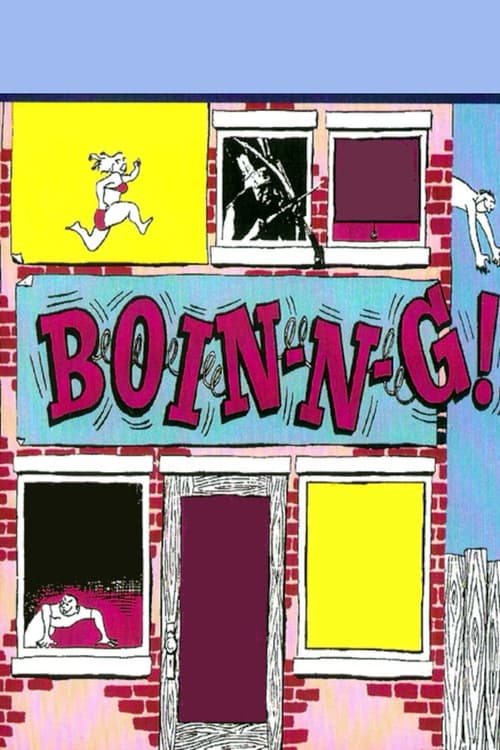
Boin-n-g is a product of the 1960s exploitation era, focusing on low-budget, niche market entertainment rather than progressive social commentary. The film's structure relies heavily on traditional clichés that reinforce existing social hierarchies. The narrative centers on the commodification of the female body, limiting gender diversity and centering the male perspective. Combined with a likely Eurocentric casting profile, the film presents a narrow view of human identity. Ultimately, the film serves as a genre-specific diversion, avoiding complex sociopolitical or cultural themes in favor of chaotic, low-brow comedy.
Category Breakdown
The film does not include any LGBTQ+ characters or stories. Its focus on producing nudie flicks emphasizes the male perspective rather than exploring queer identities.
The story revolves around the objectification of women through auditions and filming of nude subjects, reinforcing traditional roles where women are passive and commodified.
The film likely follows the Eurocentric beauty standards typical of 1963 exploitation cinema. There is no indication of a diverse or integrated cast.
The plot serves as a light-hearted distraction without addressing deeper sociopolitical issues. It avoids complex critiques of social norms and traditions.
The film does not feature any characters with visible or invisible disabilities. The focus on production mishaps and low-brow humor leaves no room for nuanced representation.
Present on Screen
Limited or Absent
Official Synopsis
An inexperienced producer and director audition and film naked women for a nudie flick. Everything goes wrong.
1963
1969
1962
1962
1964
1976
1985

2003
No reviews yet. Be the first to share your thoughts on this movie!
Use the rating form above to leave a star rating and optional review.