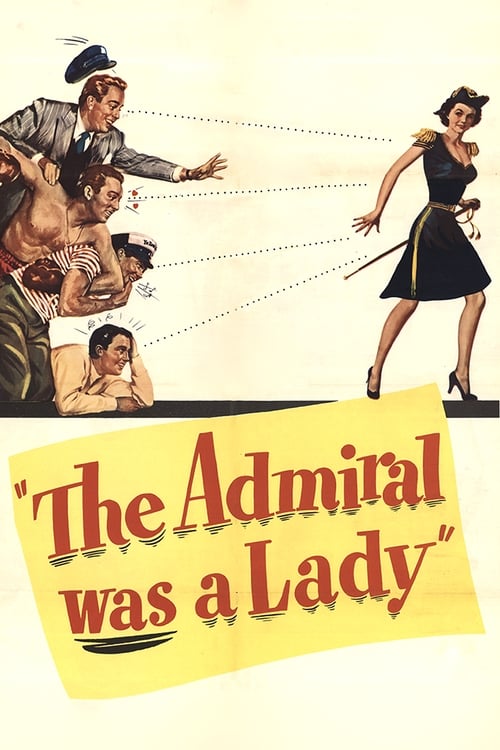
The Admiral Was a Lady
1950
No user ratings available yet
Diversity score: 2.3 out of 10
No Poster Available
1939
ApprovedDirector
Albert S. Rogell
Runtime
63 minutes
Average Rating
No ratings yetSynopsis
Four former actresses decide to restart their careers by opening up a nightclub.
Overall Score
Limited
Category Breakdown
LGBTQ+ Representation
The film lacks any visible depiction of non-heteronormative identities. Given the 1939 production era and strict censorship codes, queer narratives are absent.
Gender Representation
The story centers on four women exercising professional agency by opening a nightclub. This focus on female-led entrepreneurship provides a moderate shift away from traditional domestic tropes.
Racial & Ethnic Diversity
The film likely features a homogeneous, Anglo-centric ensemble typical of 1939 comedies. There is no evidence of significant non-white agency or diverse casting.
Religious & Cultural Diversity
The narrative aligns with standard Western entertainment values of the era. It emphasizes career success and entrepreneurship within existing social and economic norms.
Disability Representation
There is no information available regarding the inclusion of characters with visible or invisible disabilities.
Strengths
Areas for Improvement
AI Analysis
Laugh It Off is a period comedy that finds its strength in its central premise of female professional independence. By focusing on four women attempting to restart their careers through business ownership, the film moves beyond the domestic roles often assigned to women in 1930s cinema. However, the film remains firmly rooted in the traditional studio system of its era. It lacks intersectional depth, offering a narrow view of identity that reflects the social hierarchies and homogeneity of 1939 Hollywood. Ultimately, while the film provides a platform for female agency, it does not challenge the broader systemic norms regarding race, sexuality, or cultural diversity.
1950
1943
1942
1946
1937
1952
1938

1930
1937
1932
1941

1926
No reviews yet. Be the first to share your thoughts on this movie!
Use the rating form above to leave a star rating and optional review.