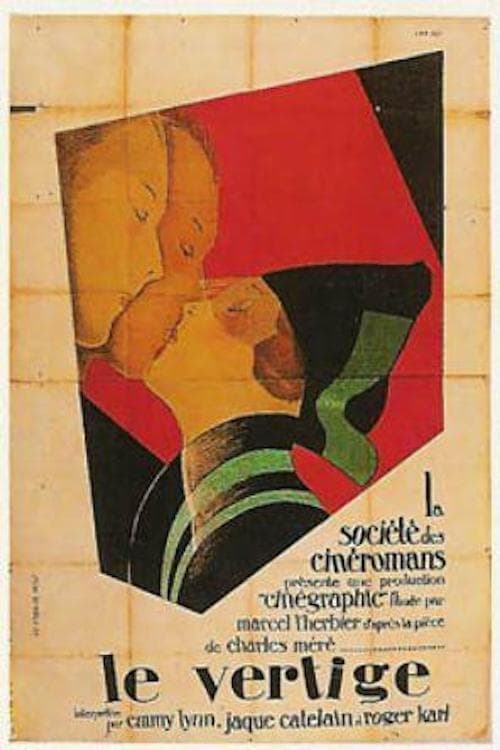
Le Vertige
1926
No user ratings available yet
Representation score: 3.3 out of 10
Representation Score
Fair
1928
PassedDirector
Alan Crosland
Runtime
72 minutes
Average Rating
No ratings yetNew Showbiz Analysis
The film is a period drama that finds its strength in character-driven narratives and political complexity. Lya serves as a dynamic protagonist who navigates high-stakes environments, evolving from a vulnerable refugee to a revolutionary leader. This offers a more nuanced portrayal of femininity compared to many contemporary dramas. However, the film remains confined to a traditional framework centered around straight-centered romance and lacks exploration of LGBTQ+ identities or non-binary gender roles.
Category Breakdown
The film focuses on a romance between Lya and Prince Nicholas, which follows traditional heterosexual norms. It does not include any depictions of non-binary gender identities or challenge conventional romantic clichés.
Lya defies the typical passive female stereotype by playing a significant role in driving the story. She transforms from a refugee to a majordomo and a political figure who leads a rescue mission.
The setting includes Cossack and Bolshevik elements, indicating an Eastern European backdrop. However, the story emphasizes class and political dynamics rather than exploring racial diversity.
The story questions traditional monarchical systems by focusing on a protagonist who transitions from aristocracy to revolution. It portrays traditional power structures as sources of conflict rather than moral centers.
There are no characters with visible or invisible disabilities featured in the narrative.
Present on Screen
Limited or Absent
Official Synopsis
The film follows Lya, a woman seeking refuge from Cossack soldiers, who finds herself at the palace of Prince Nicholas. She becomes his majordomo and they fall in love, but their relationship is disrupted when Nicholas learns of her past with a Bolshevik leader. Lya is expelled, becomes a terrorist, and later encounters Nicholas again, now disguised as a servant. When Nicholas is sentenced to death, she rescues him and they escape together.
1926

1937

1927

1925
1932
1922

1928

1938
No reviews yet. Be the first to share your thoughts on this movie!
Use the rating form above to leave a star rating and optional review.