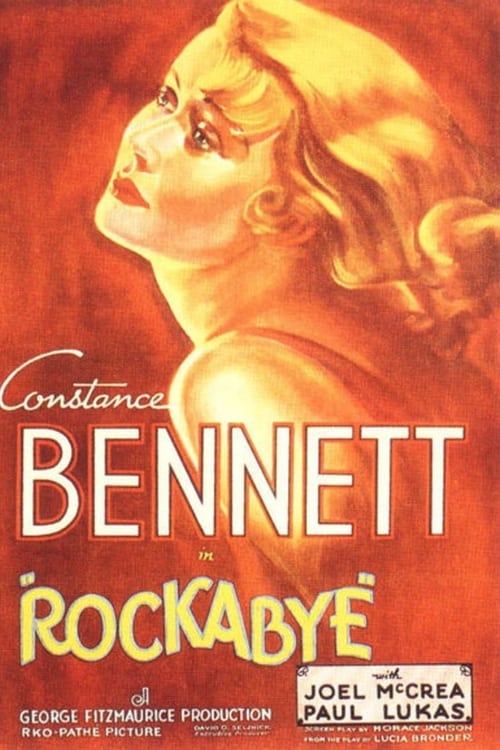
Rockabye
1932
No user ratings available yet
Representation score: 3.5 out of 10
Representation Score
Minimal
1931
PassedDirector
Paul L. Stein
Runtime
74 minutes
Average Rating
No ratings yetNew Showbiz Analysis
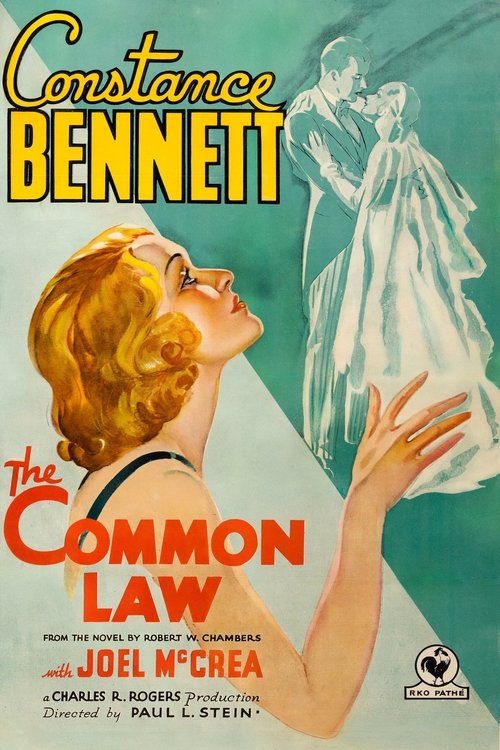
The Common Law is a period drama that adheres strictly to the Eurocentric and straight-centered standards of the early 1930s. The narrative structure prioritizes traditional romantic clichés and the social complexities of female reputation over progressive representation. While the film provides a central female character who drives the dramatic conflict, her role is defined by her relationship to male acceptance and her past. This reinforces historical gender hierarchies rather than challenging them. Ultimately, the film lacks complexity in representing multiple aspects of identity. It functions as a standard melodrama of its era, focusing on individual morality within established social structures.
Category Breakdown
The film centers on a heterosexual romantic triangle involving an artist, a model, and a former lover. There are no queer-coded subtexts or non-cisgender identities present in the narrative.
The plot revolves around a woman's reputation and her history as a former mistress. While the female lead drives the conflict, her role is defined by male judgment and social standing.
The production likely reflects the demographic uniformity of the early 1930s. There is no evidence of non-white or racially diverse casting within the ensemble.
The story focuses on individual romantic morality and conventional social mores. It operates within the traditional moral frameworks of early 20th-century melodrama.
The narrative contains no mention of characters with visible or invisible disabilities.
Present on Screen
Limited or Absent
Official Synopsis
When a woman models for an artist they fall in love. Can the artist overcome the beauty's recent past as another man's mistress?
1932

1930

1930

1931

1927

1935

1933

1920
No reviews yet. Be the first to share your thoughts on this movie!
Use the rating form above to leave a star rating and optional review.