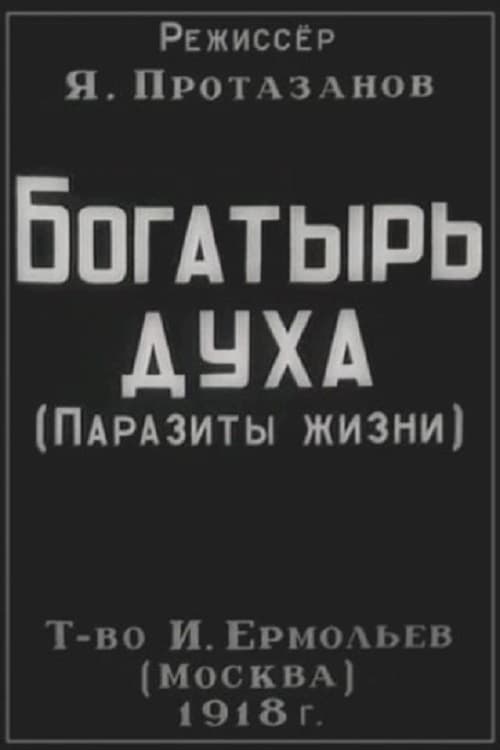
Knight's Spirit
1918
No user ratings available yet
Diversity score: 4.7 out of 10
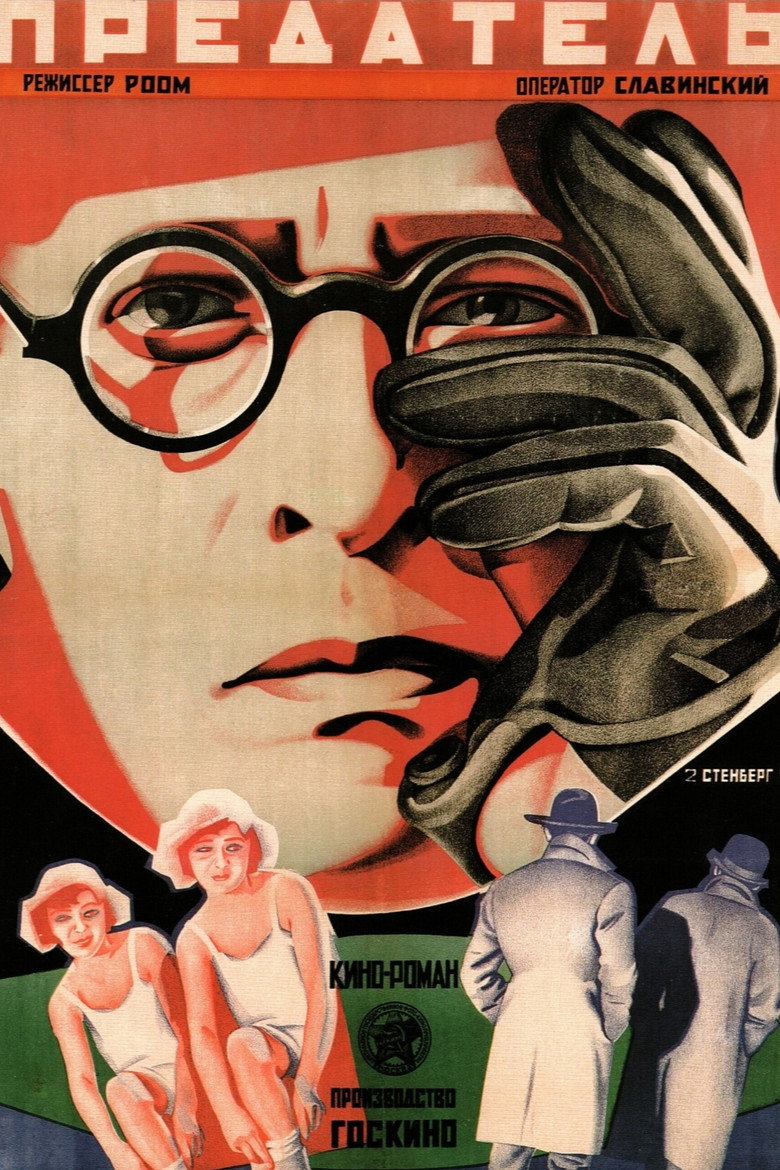
1926
Director
Abram Room
Runtime
30 minutes
Average Rating
No ratings yetSynopsis
An agent working for the Tsar fools a group of Bolshevik sailors but is captured and punished after the revolution.
Overall Score
Fair
Category Breakdown
LGBTQ+ Representation
The film lacks any documented evidence of LGBTQ+ characters or non-cisnormative identities. The narrative focuses strictly on political espionage and state loyalty.
Gender Representation
The story explores domestic tensions and interpersonal relationships amidst revolutionary upheaval. However, it is unclear if women possess significant agency or occupy traditional supporting roles.
Racial & Ethnic Diversity
The film centers on class-based conflict between a Tsarist agent and Bolshevik sailors. There is no specific evidence of intentional intersectional casting or ethnic subversion.
Religious & Cultural Diversity
The narrative critiques traditional Tsarist and Western institutions by centering on the transition to Soviet rule. It prioritizes systemic political security over individual trust.
Disability Representation
There is no available information regarding the depiction of physical or neurodivergent disabilities in this work.
Strengths
Areas for Improvement
AI Analysis
Abram Room’s drama serves as a historical artifact of ideological transition rather than a modern study in intersectionality. Its primary strength lies in its systemic critique of the old monarchical order, which provides a high level of cultural representation through its deconstruction of Tsarist structures. However, the film lacks visibility for many marginalized groups. There is no evidence of LGBTQ+ representation or specific focus on racial and ethnic diversity beyond the broader revolutionary context. The gender dynamics remain ambiguous, making it difficult to determine if women are granted meaningful agency. Ultimately, the film is a study of political and class-based conflict. While it succeeds in portraying a massive cultural shift, it offers little in the way of modern identity-based representation.
1918
1937
1941

1994
1916
1973
1998

1925
1963
1939

1927
1936
No reviews yet. Be the first to share your thoughts on this movie!
Use the rating form above to leave a star rating and optional review.