
Resurrection
1960
No user ratings available yet
Representation score: 5.7 out of 10
Representation Score
Limited
1934
NRDirector
Rouben Mamoulian
Runtime
85 minutes
Average Rating
No ratings yetNew Showbiz Analysis
Rouben Mamoulian’s drama is a character-driven melodrama that excels in psychological complexity rather than broad demographic representation. It successfully challenges the sanctity of traditional marriage and the perceived fulfillment of wealth, offering a progressive portrayal of female independence for its time. However, the film is limited by the demographic homogeneity typical of the 1930s. It lacks modern markers of diversity, particularly in LGBTQ+ visibility and racial or ethnic variety, remaining firmly rooted in a predominantly white, straight-focused framework. Ultimately, the work serves as a critique of social facades and class stability. Despite its lack of a diverse cast, its narrative structure disrupts conventional expectations of domesticity and high-society institutions.
Category Breakdown
The film follows the traditional romantic dynamics of 1930s melodramas, without depicting any non-straight relationships or same-sex intimacy. It focuses solely on heterosexual relationships and does not include any non-cisgender identities.
The narrative challenges traditional gender roles by giving the female protagonist significant psychological independence. She actively resists societal expectations and pursues autonomy beyond her role as a submissive wife.
The cast is primarily composed of white, upper-class actors, reflecting the casting norms of the era. The story highlights socioeconomic differences but does not explore racial or ethnic diversity.
The film critiques the emotional emptiness of upper-class society by showing how high-society status can be superficial. It questions the value of material success through the lens of romantic disillusionment.
There are no visible or invisible disabilities featured in the film. Disability is not used as a narrative device within the story.
Present on Screen
Limited or Absent
Official Synopsis
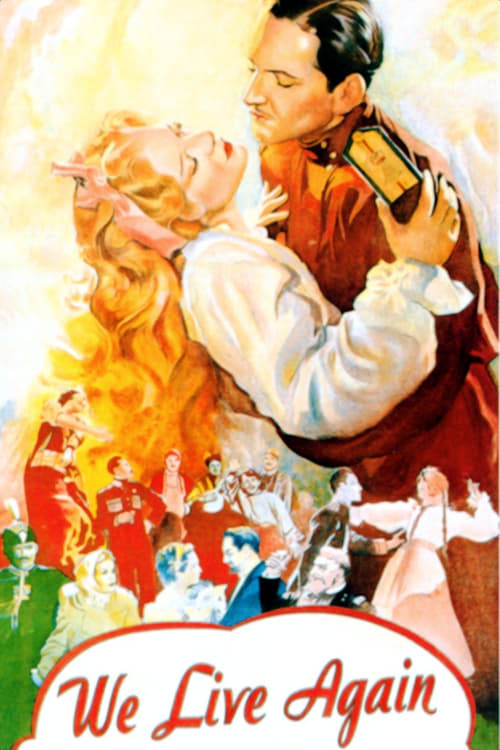
Nekhludoff, a Russian nobleman serving on a jury, discovers that the young girl on trial, Katusha, is someone he once seduced and abandoned and that he himself bears responsibility for reducing her to crime. He sets out to redeem her and himself in the process.
1960

1952
1926

1929
1930

1920
1931

1931
No reviews yet. Be the first to share your thoughts on this movie!
Use the rating form above to leave a star rating and optional review.