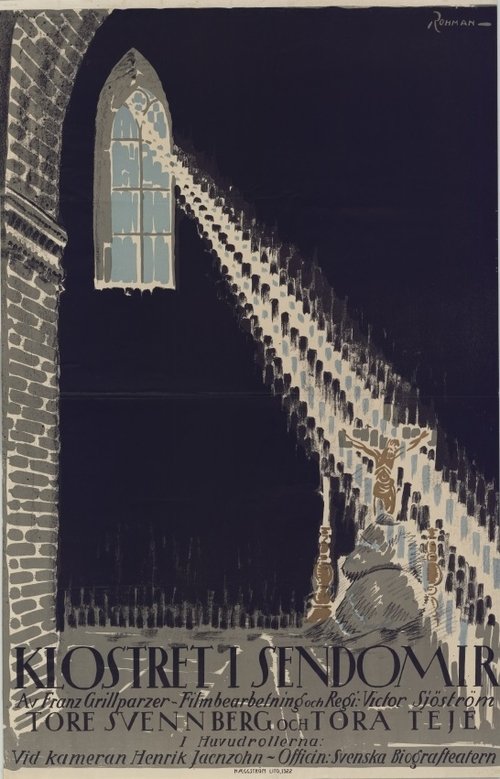
The Monastery of Sendomir
1920
No user ratings available yet
Diversity score: 2.6 out of 10
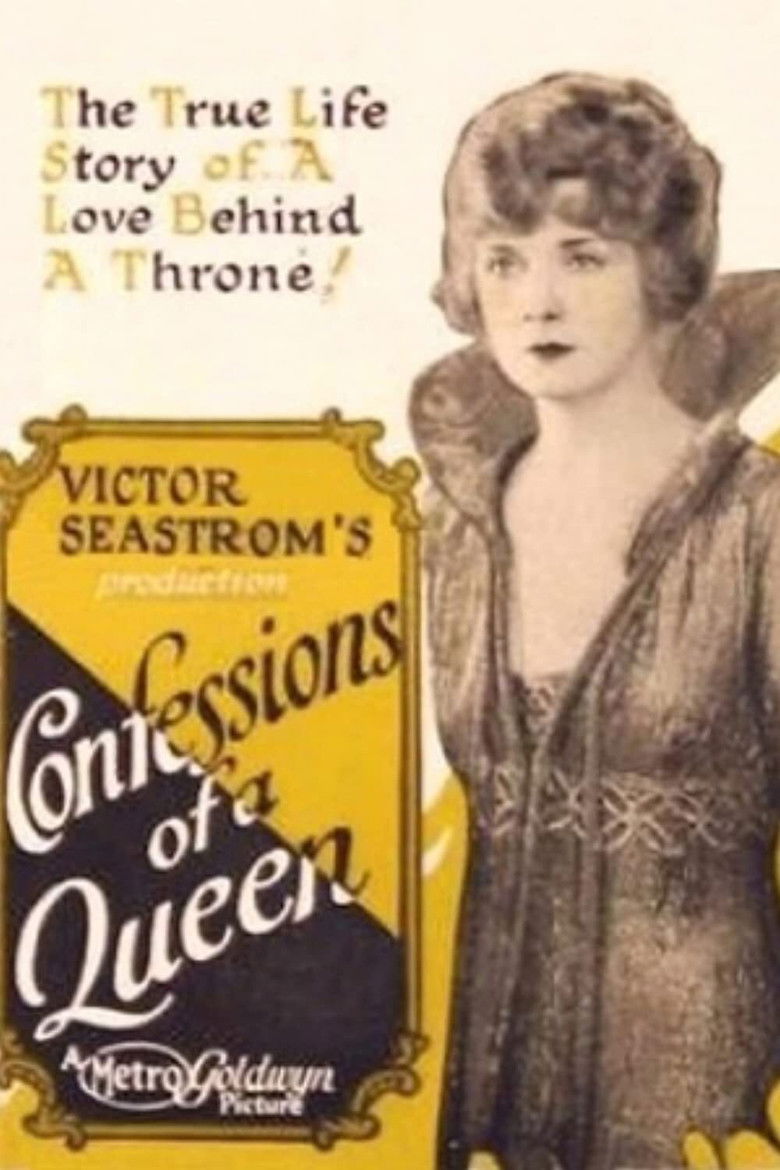
1925
NRDirector
Victor Sjöström
Runtime
64 minutes
Average Rating
No ratings yetSynopsis
The King of Illyris marries a neighboring princess, who finds out he has a mistress, Sephora. Revolted, she turns to Prince Alexei for friendship. Turmoil increases as a revolution demands the abdication of the King and the Queen opposes this decision.
Overall Score
Limited
Category Breakdown
LGBTQ+ Representation
The story centers on heteronormative romantic rivalries between the King, the Princess, and Sephora. No queer subtext or non-cisnormative identities are present in the narrative.
Gender Representation
The Queen displays emotional autonomy and agency when responding to infidelity and political upheaval. However, the plot remains tied to traditional tropes of marital duty and royal conflict.
Racial & Ethnic Diversity
Set within a European-coded monarchy, the film follows the era's standard casting practices. There is no evidence of diverse racial representation or non-Anglo-Saxon casting.
Religious & Cultural Diversity
The film explores the tension between monarchical institutions and revolutionary upheaval. It depicts the vulnerability of established political orders during times of systemic instability.
Disability Representation
The available synopsis provides no information regarding the portrayal of visible or invisible disabilities.
Strengths
Areas for Improvement
AI Analysis
Victor Sjöström’s drama focuses on the psychological complexities of a royal marriage and the political friction of a revolution. While the film offers a degree of female agency through the Queen's reactions to betrayal, it remains firmly rooted in the social constraints of 1925. The narrative lacks intersectional breadth, focusing almost exclusively on European-coded monarchical structures and traditional romantic entanglements. This narrow scope limits the film's diversity profile. Ultimately, the work serves as a period piece that prioritizes individual morality and political stability over a diverse or systemic critique of social hierarchies.
1920
1920
1925
1916
1928

1944

2008
1914
1924
1917
1948
1936
No reviews yet. Be the first to share your thoughts on this movie!
Use the rating form above to leave a star rating and optional review.